Flora and Fauna resources
The Adelaide Hills is home to some remarkable plants and animals.
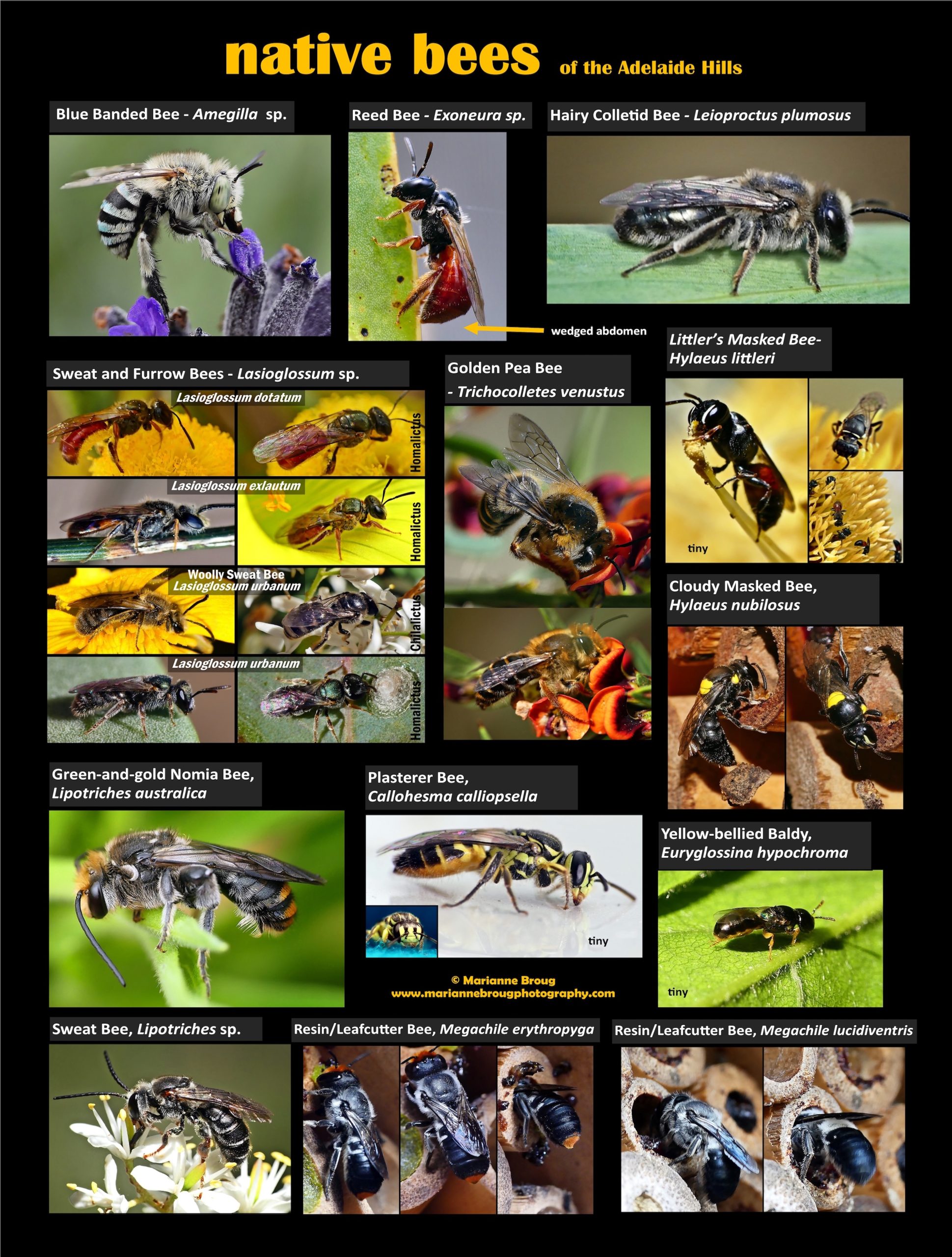
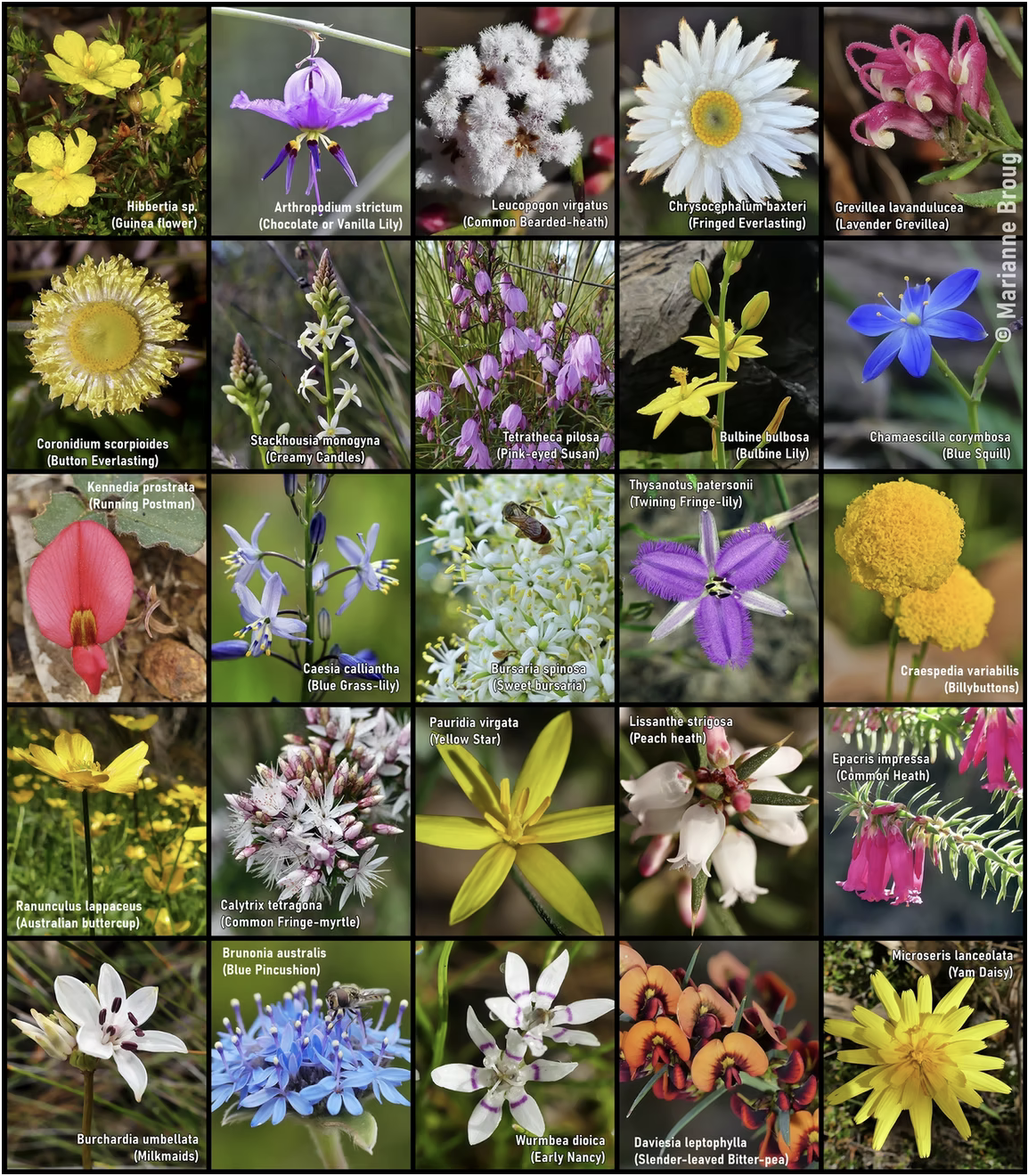
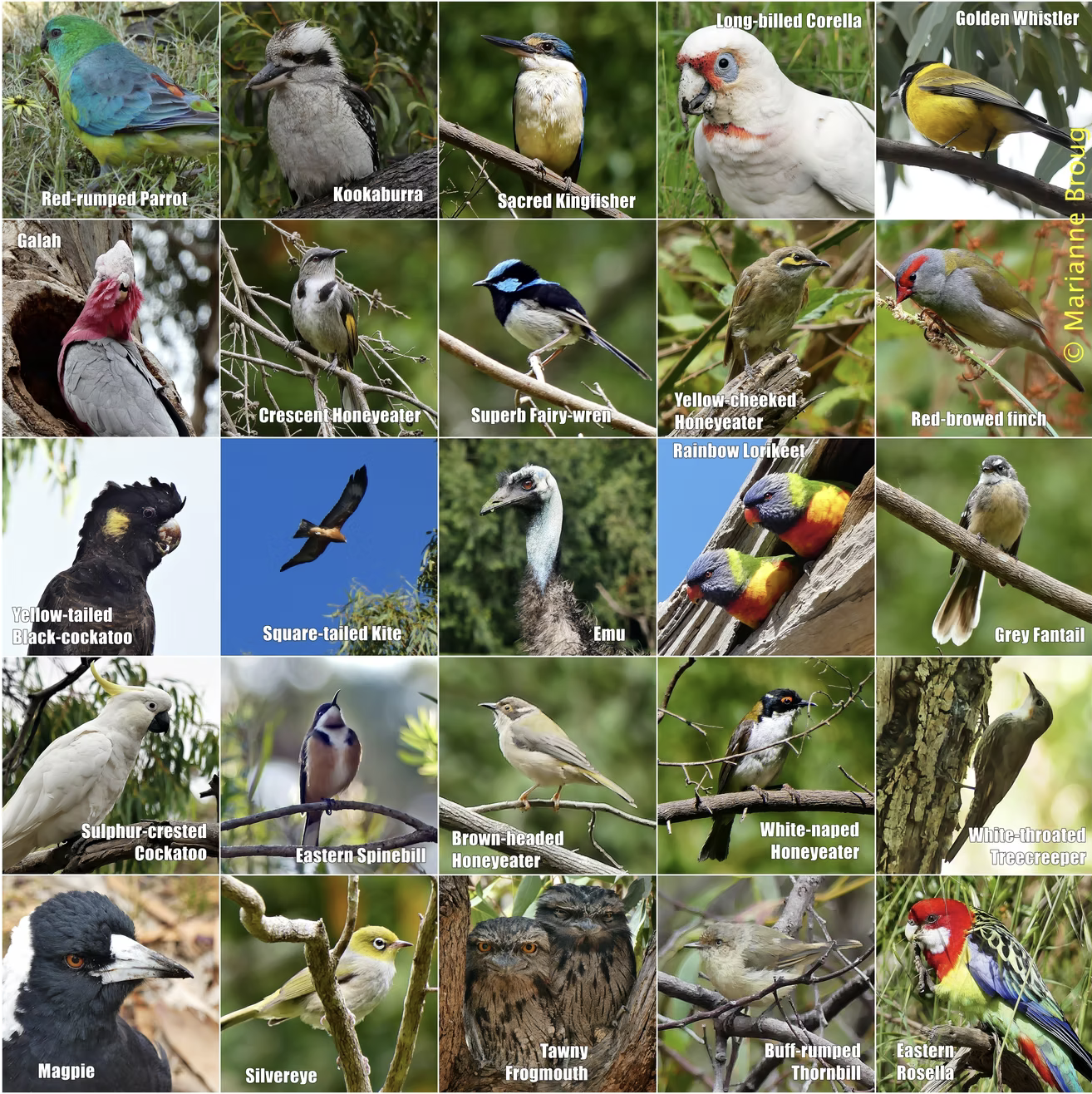
Talented photographer Marianne Broug has generously provided a series of information posters providing a snapshot of some of the distinctive species found in our area.
-
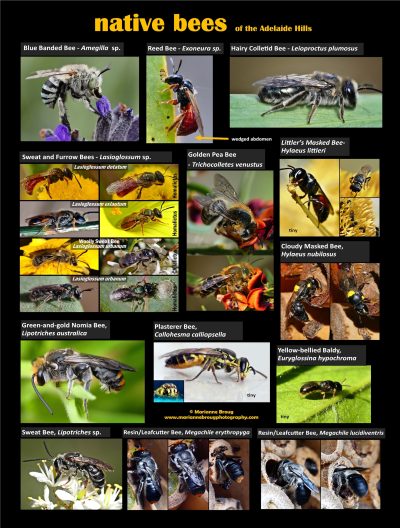
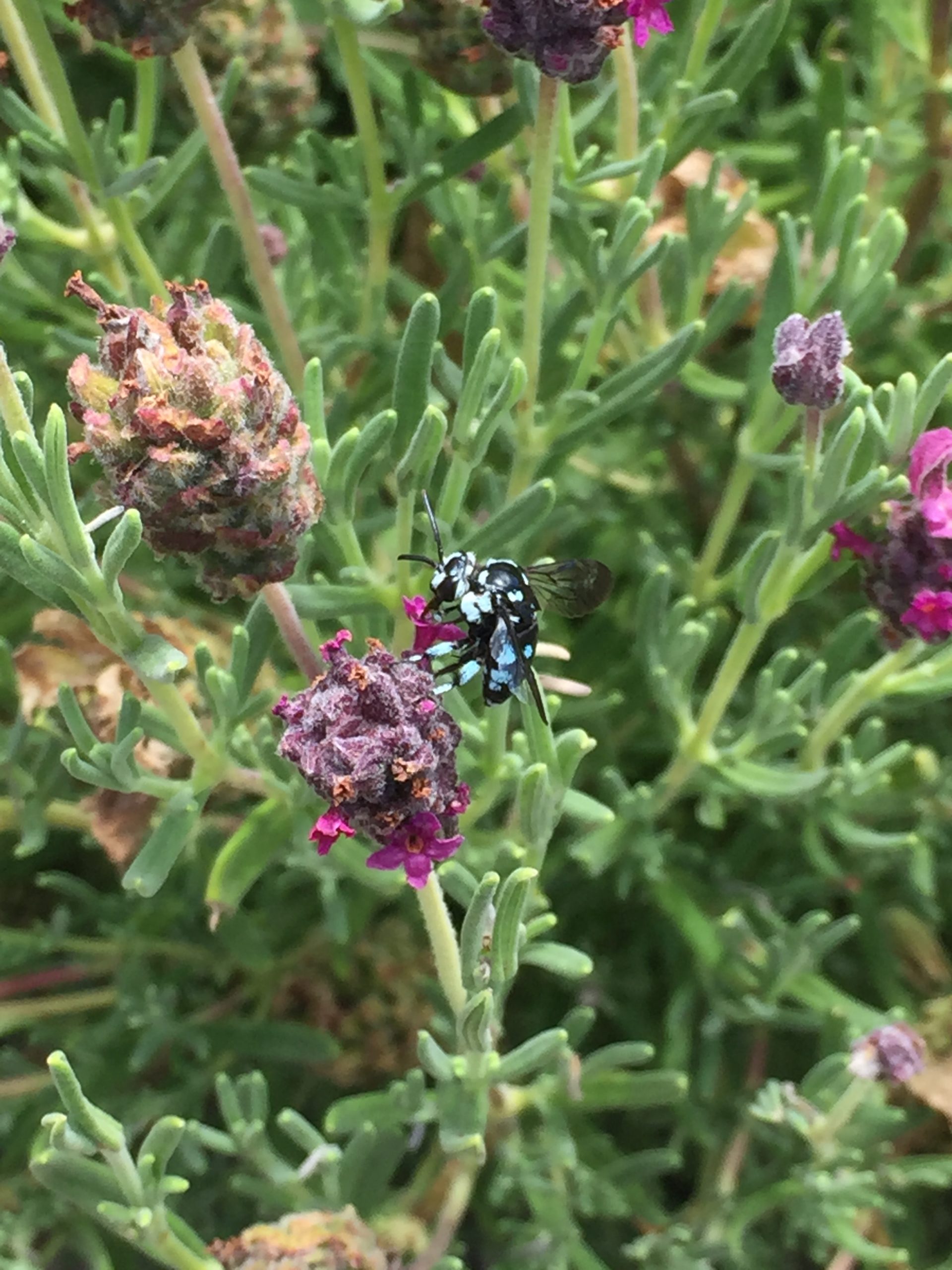
- Native bees
-
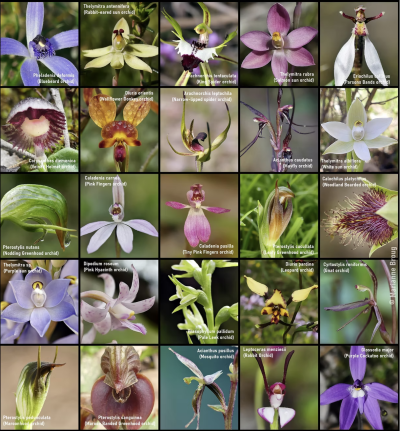
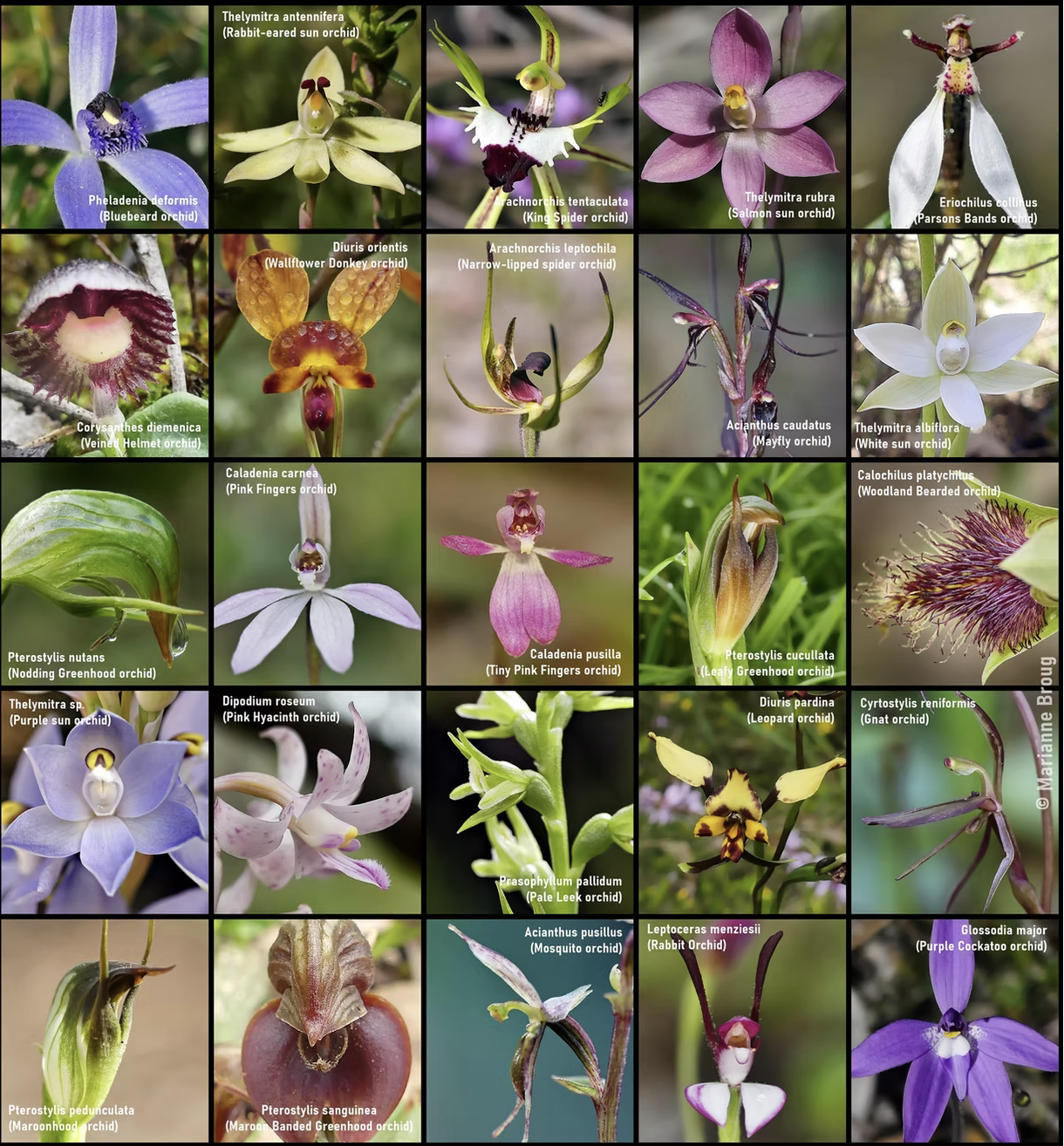
- Native orchids of the Adelaide Hills – courtesy Marianne Broug photography
-
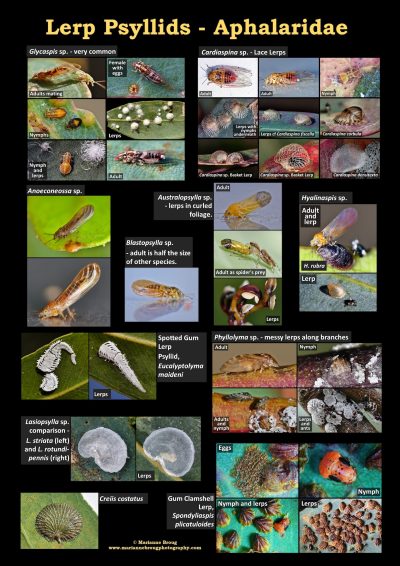
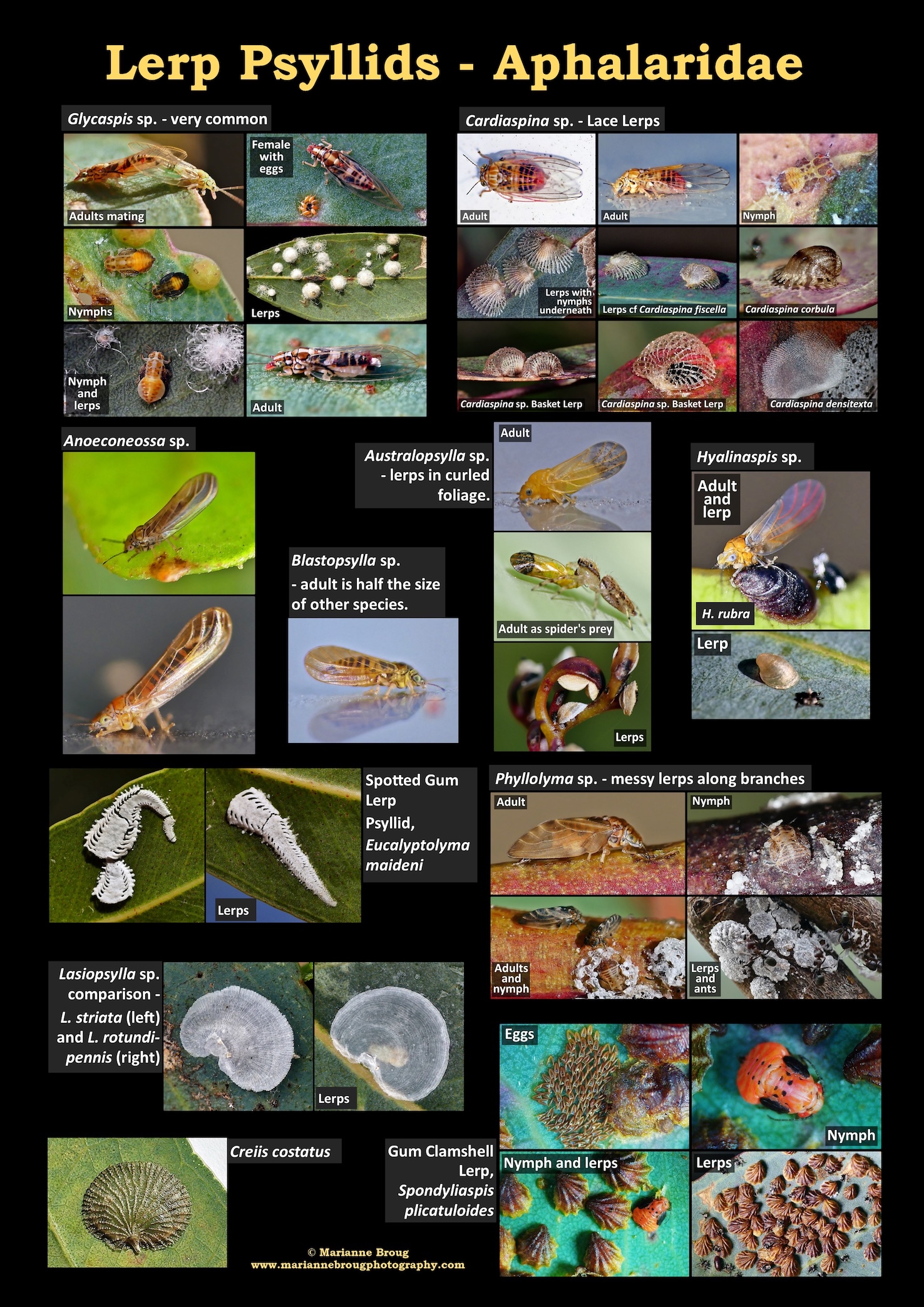
- Sap sucking lerps
-
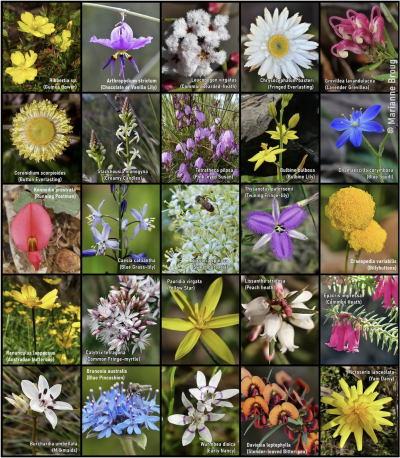
- Native flowers of the Adelaide Hills – courtesy of Marianne Broug photography
-
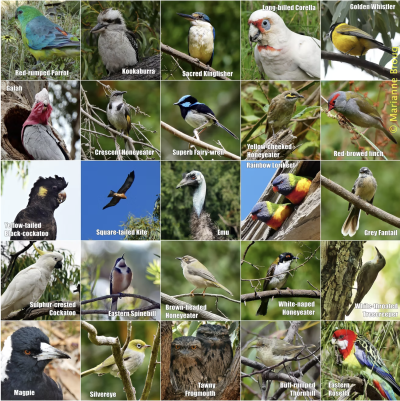
- Birds of the Adelaide Hills
/fusion_text]
Members’ photographs – local flora and fauna
New Springs Landcare Group Members have access to a variety of habitats across their properties and surrounds. From thick scrub to wooded grassland, pastures to roadside verges and conservation zones, each can feature different kinds of plants and animals. Here are some of the species you might spot in our area.
Flora
-
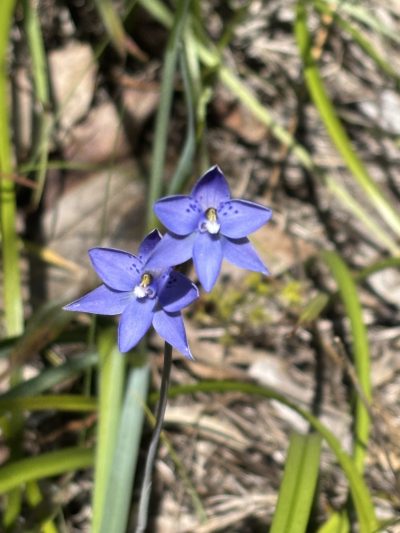
- Slender blue spotted sun orchid (thelymitra juncifolia)
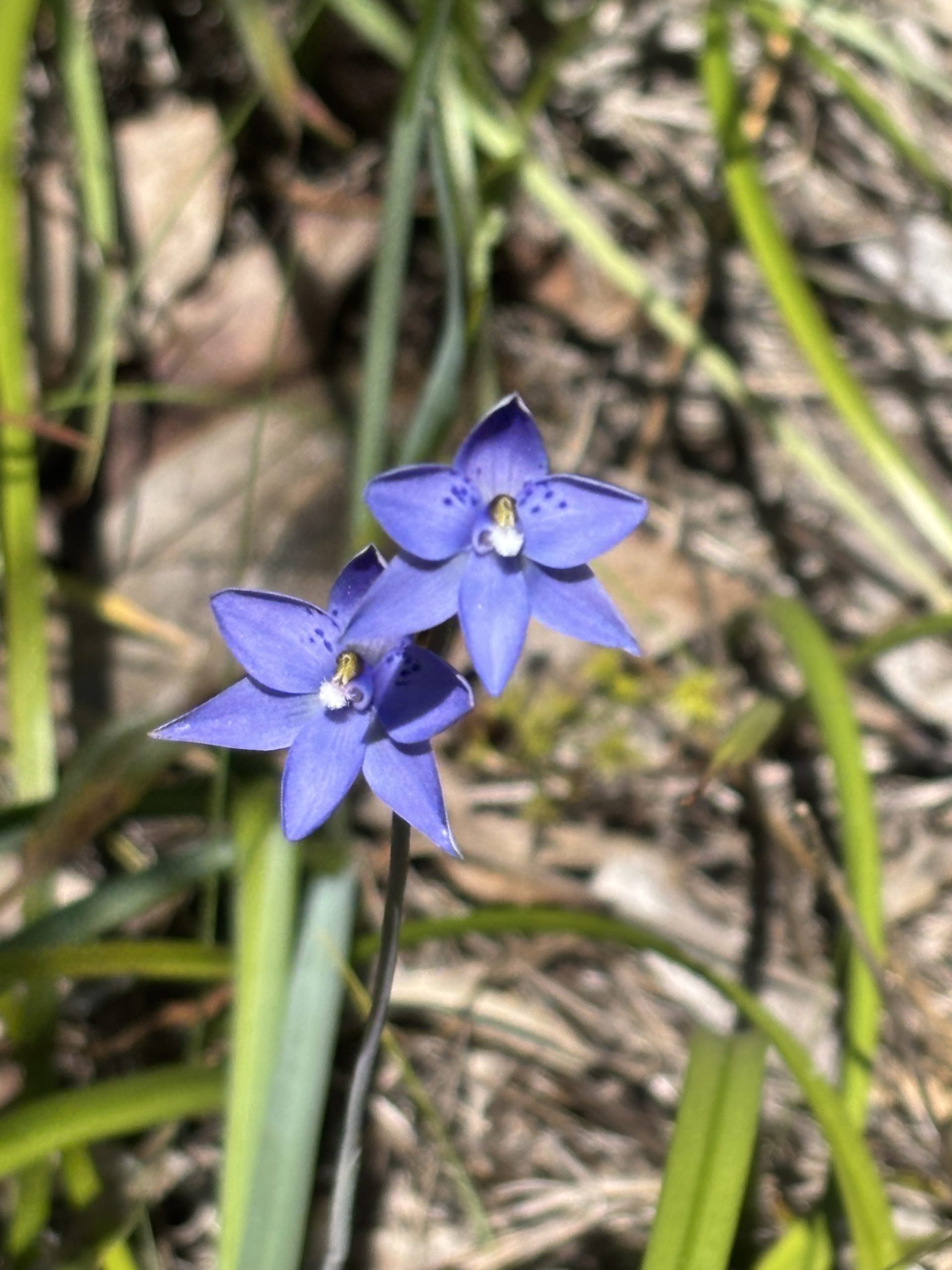
-
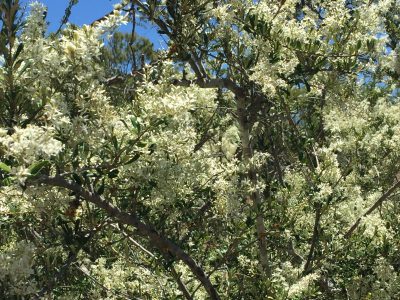
- Christmas Bush (bursaria spp.)
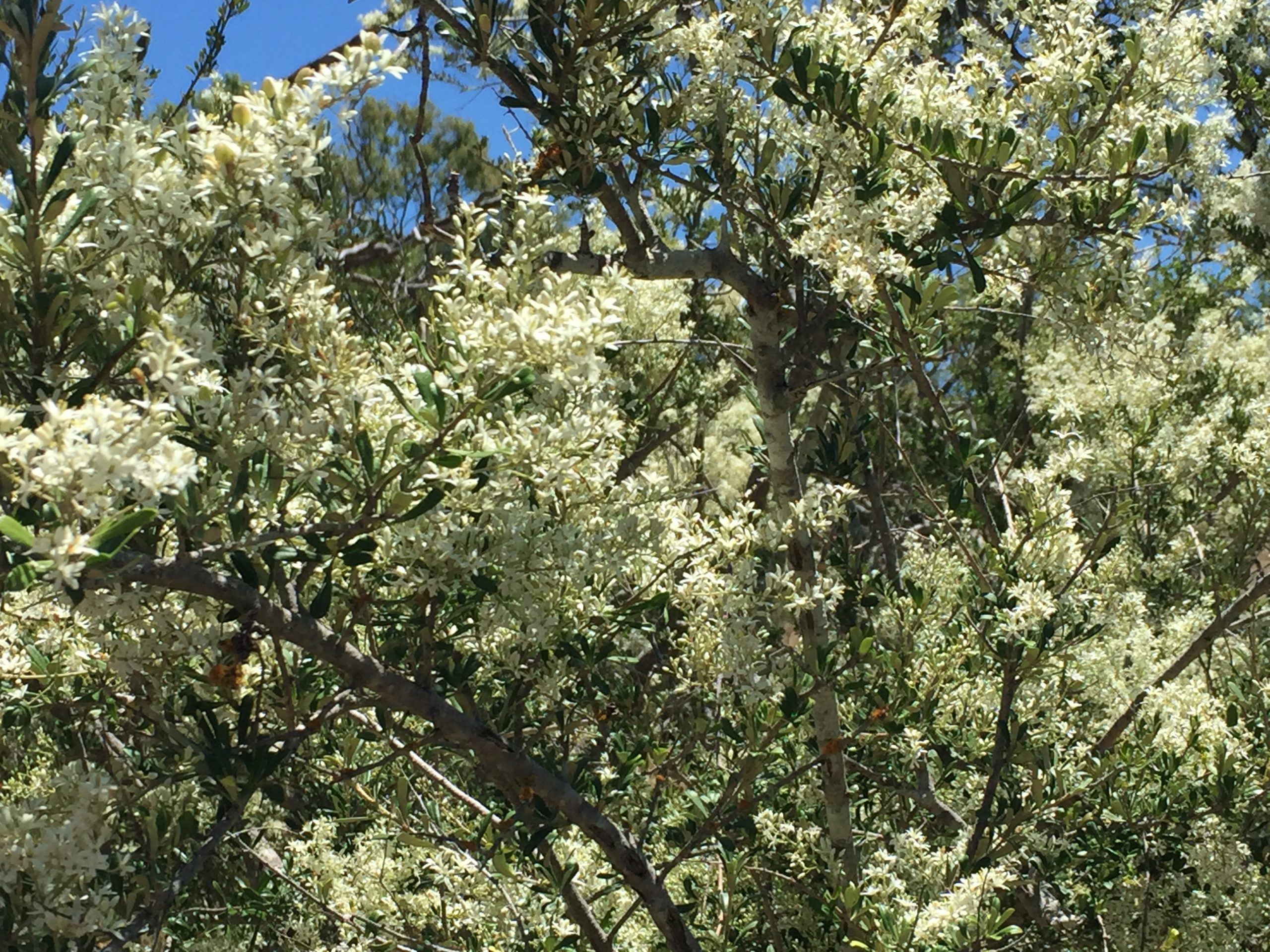
-
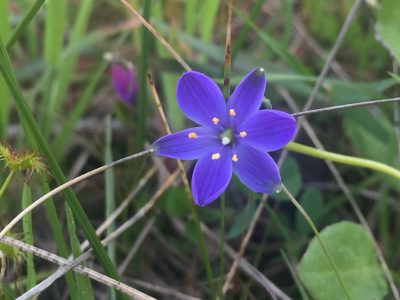
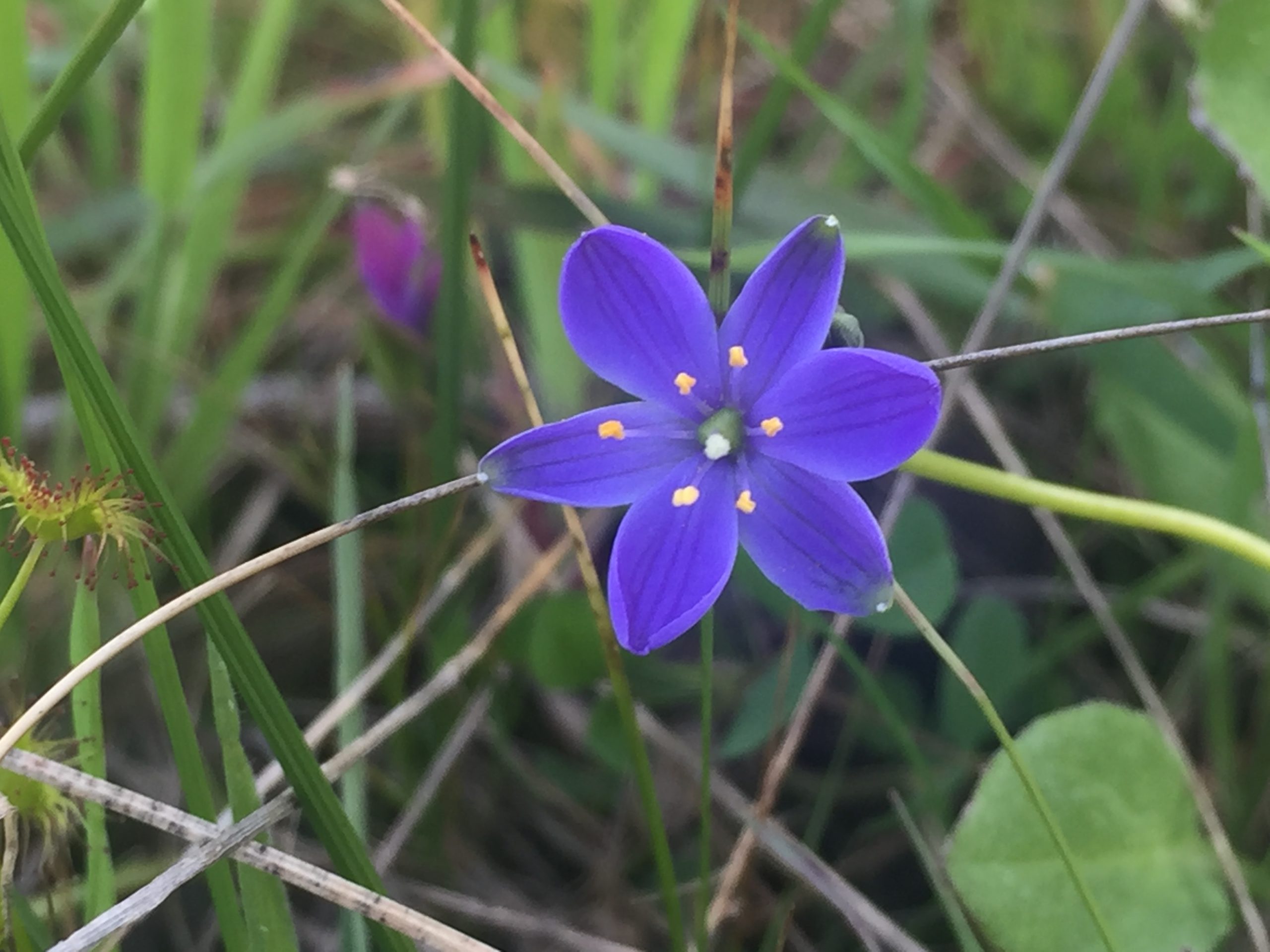
- Blue Squill (Chamaescilla corymbosa) is a common, small, bright blue lily
-
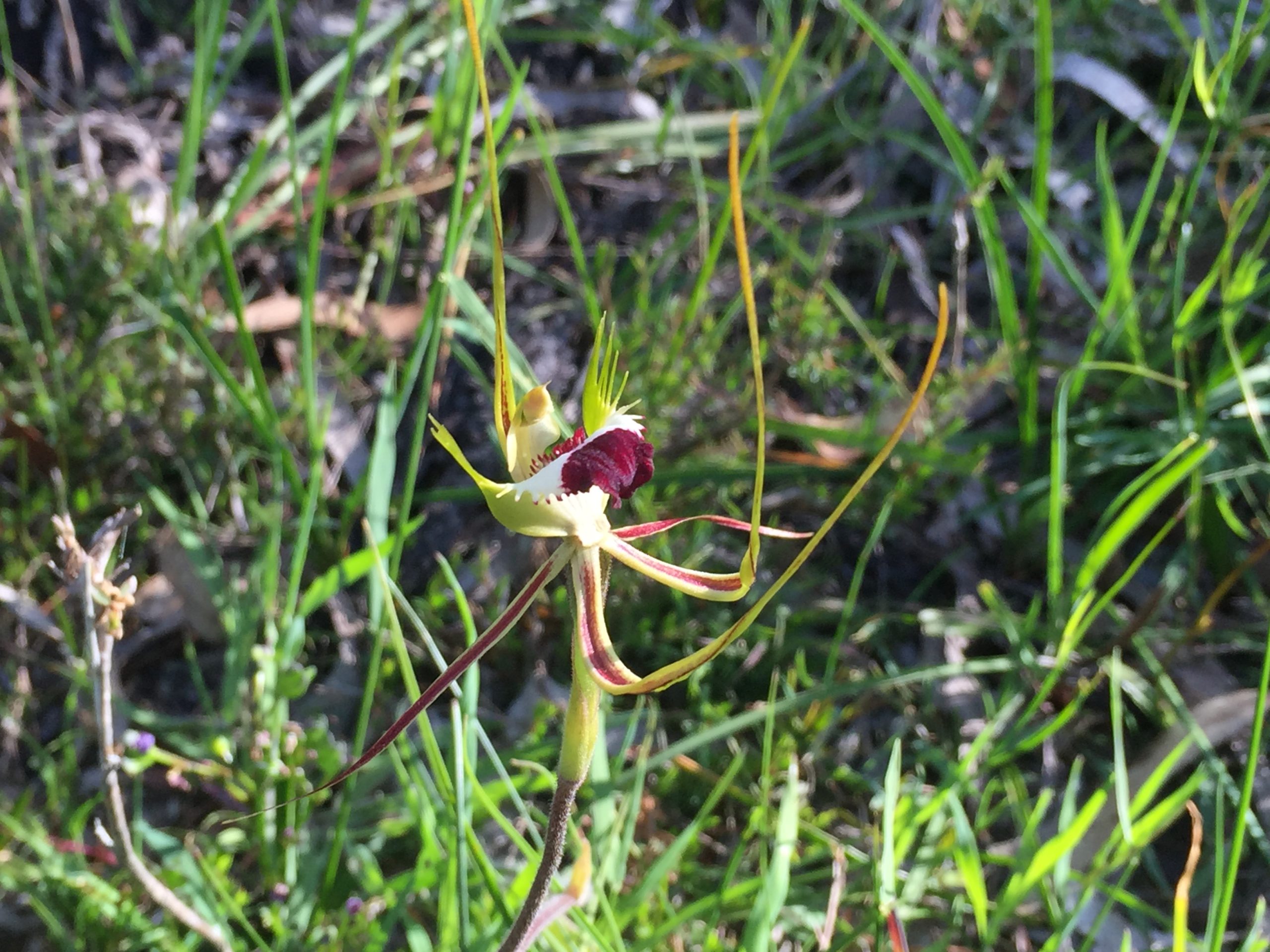
- King Spider orchid are also known as Arachnorchis sp.
-
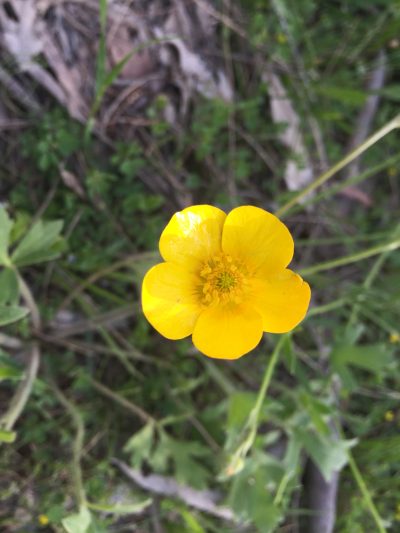
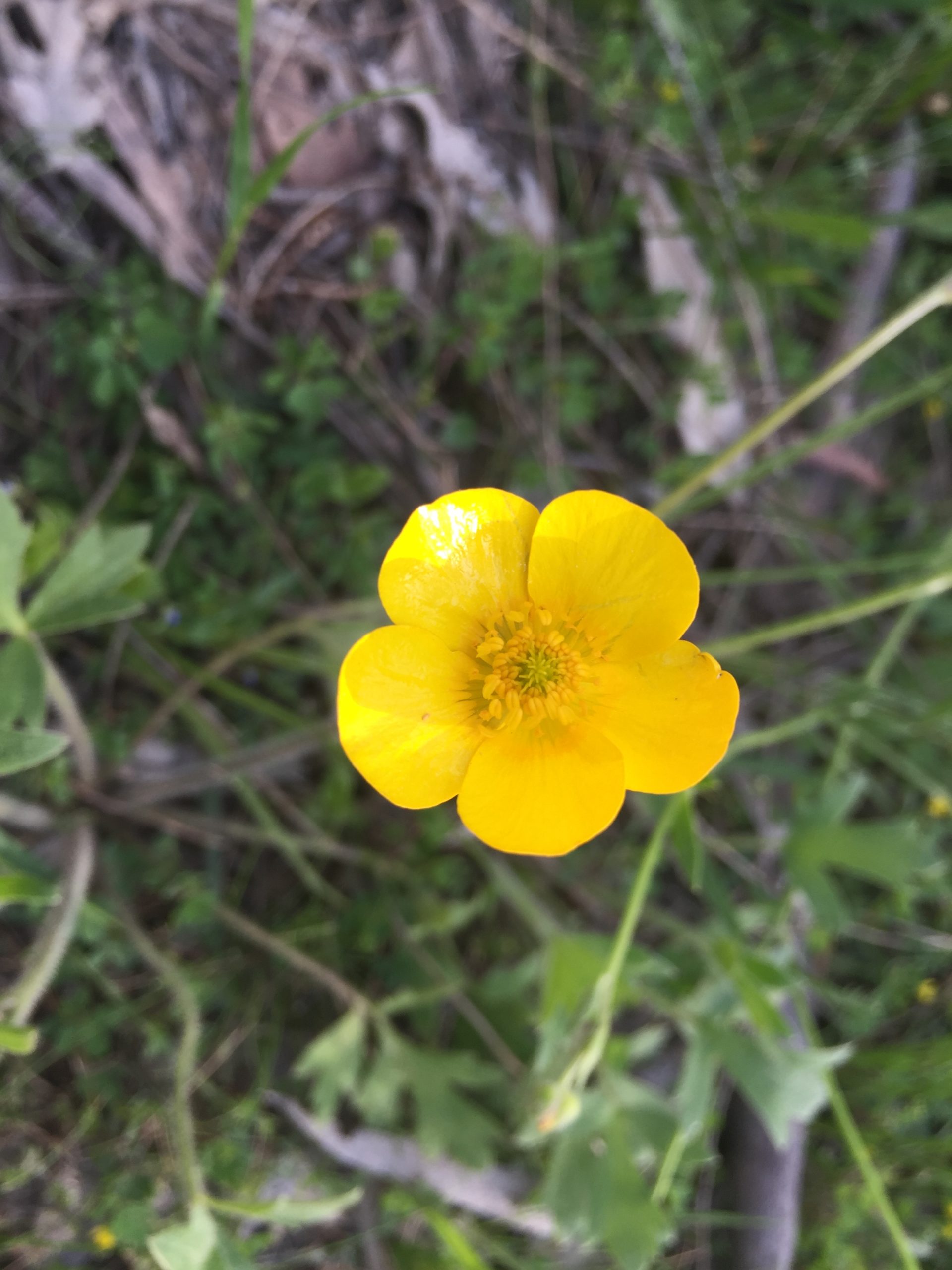
- Buttercup (ranuculaceae lappaceus)
-
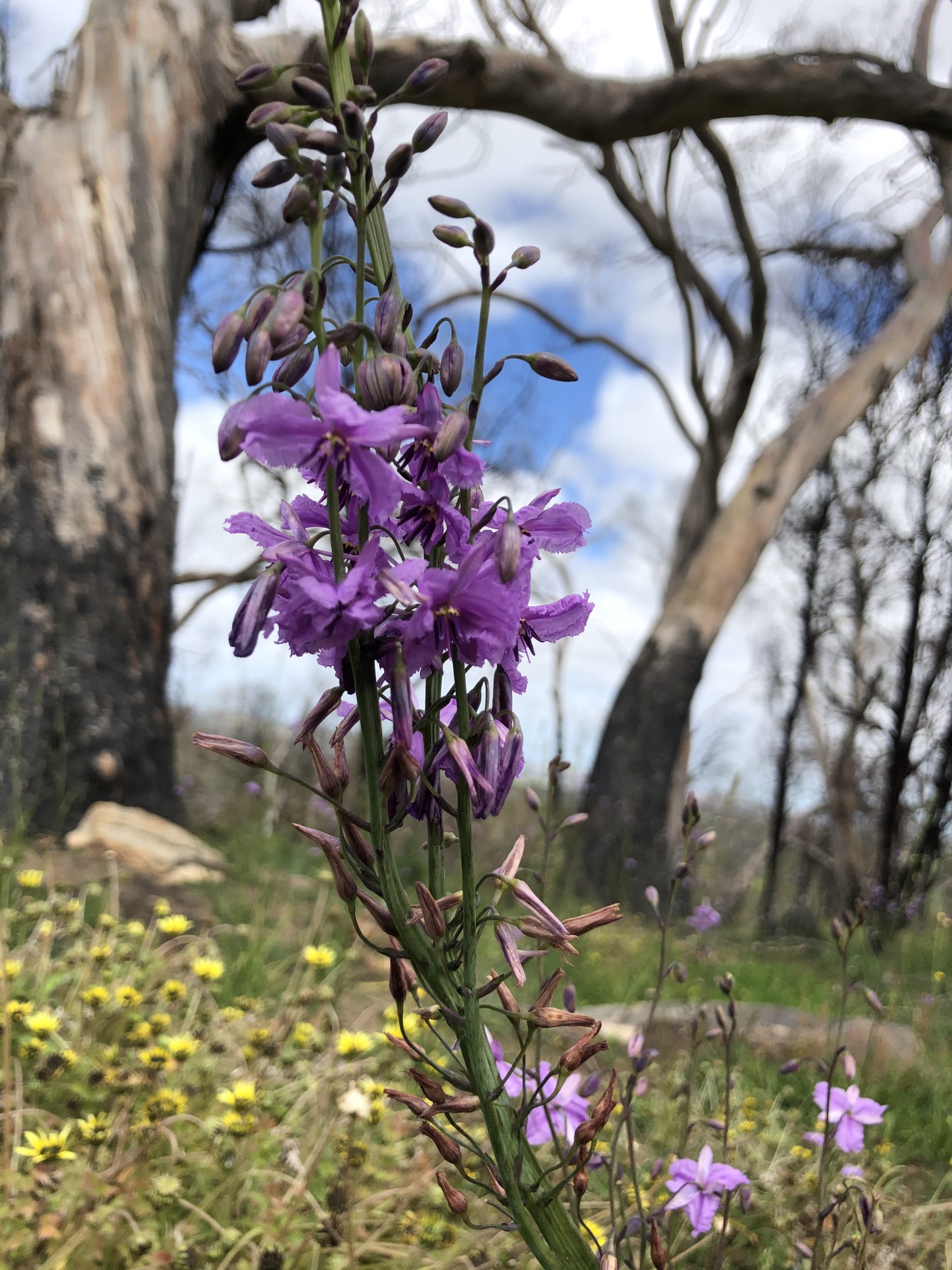
- Nodding vanilla lily (arthropodium fimbriatum)
-
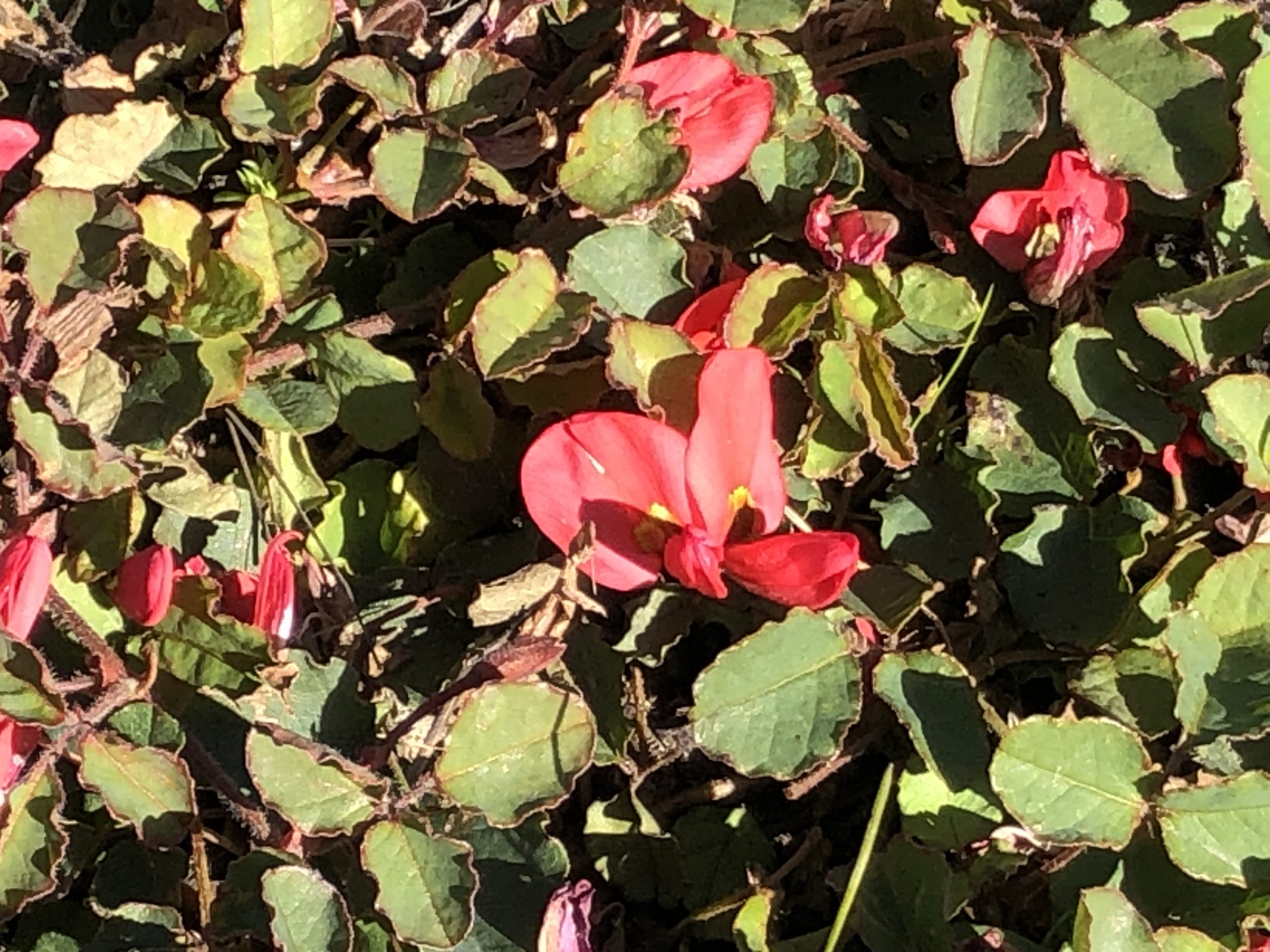
- The distinctive red pea flower of kennedia prostrata.
-
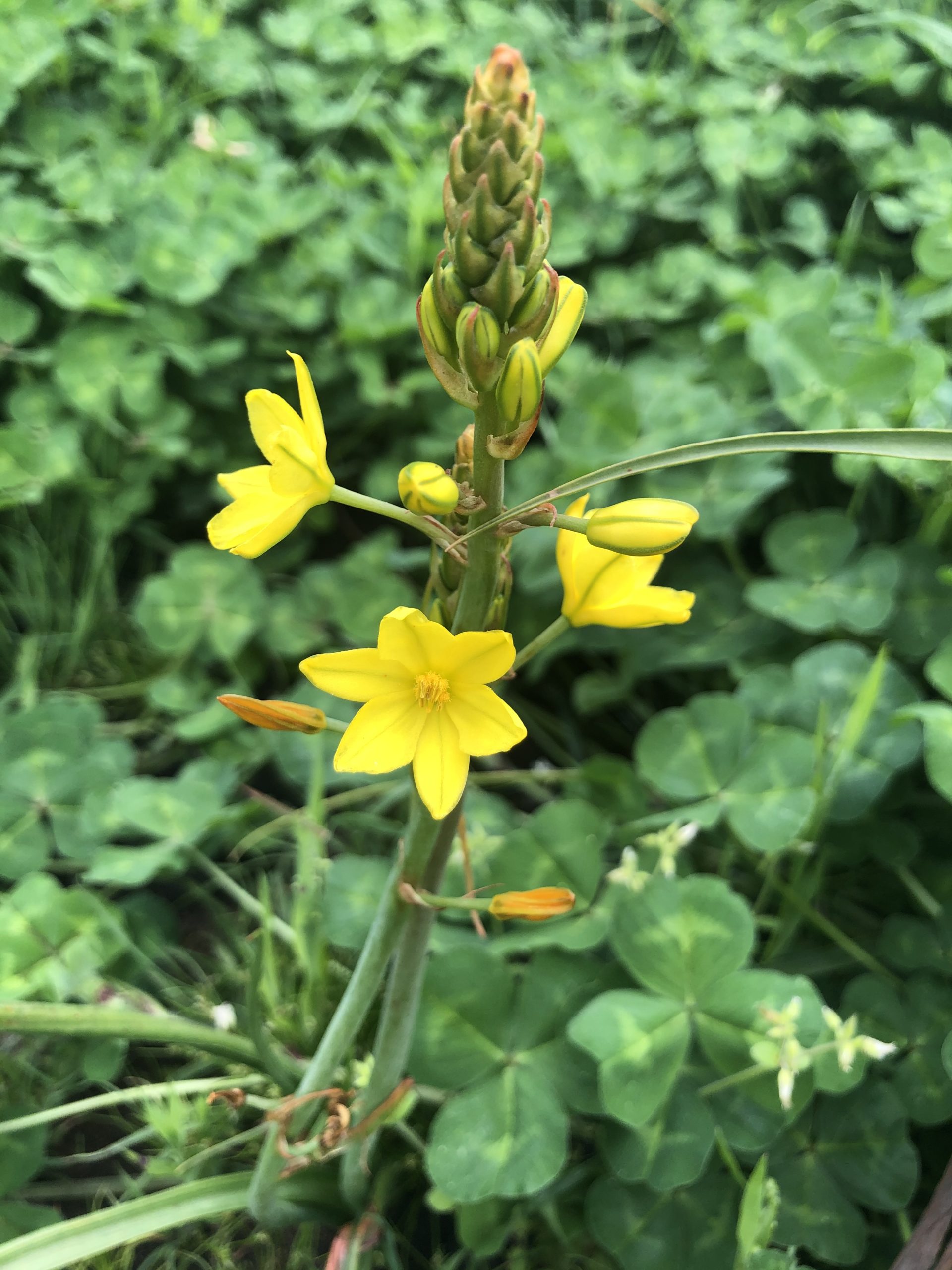
- Bulbine lily (bulbine bulbosa)
-
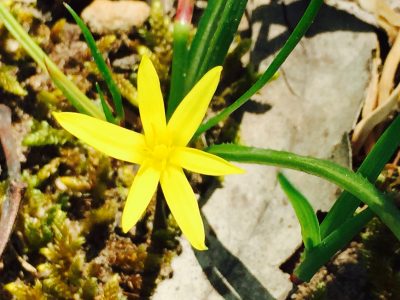
- Yellow star (pauridia vaginata) near Charleston CP
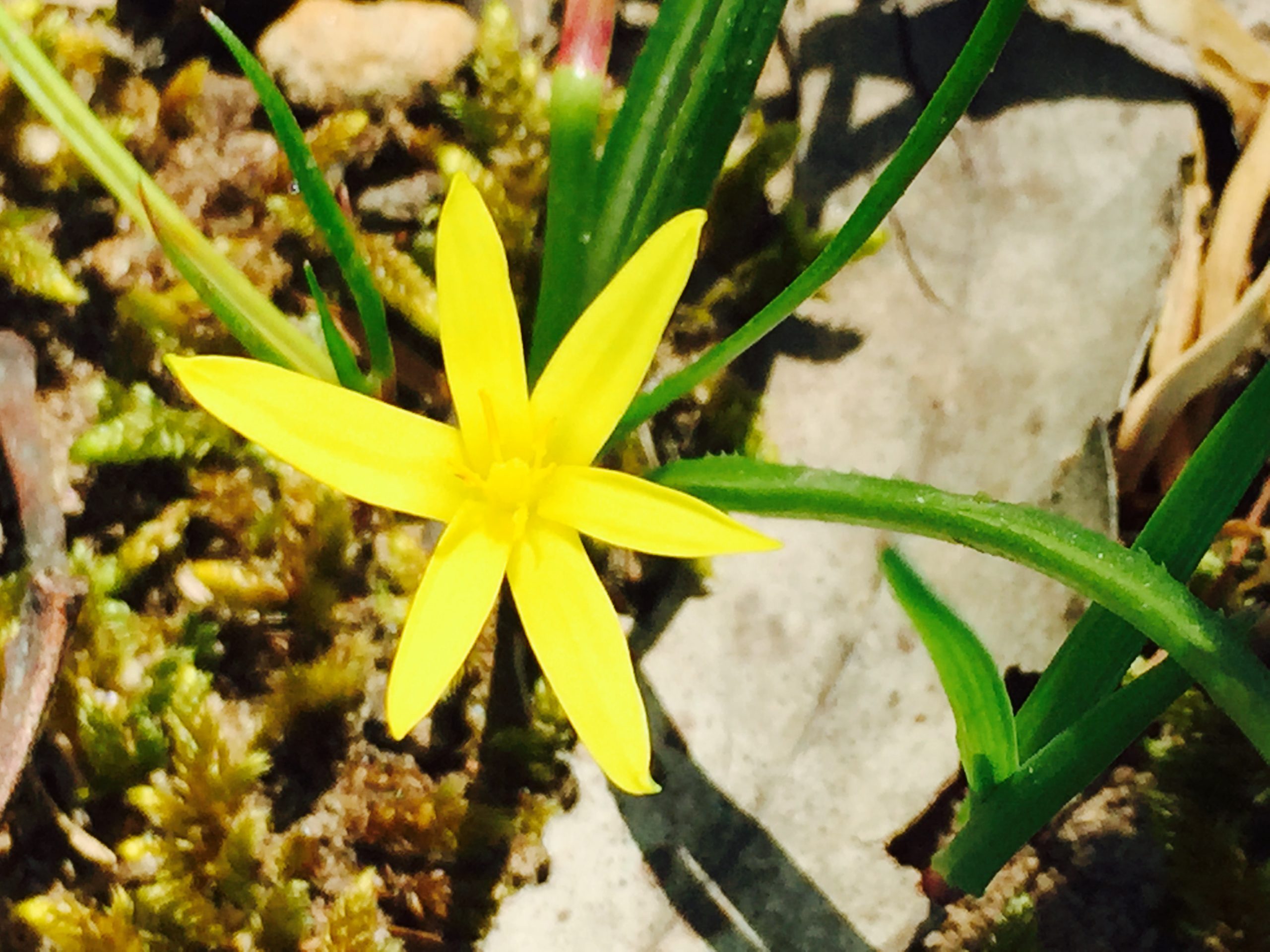
-
- Blue grass lily (caesia calliantha) has twisted spent flowers.
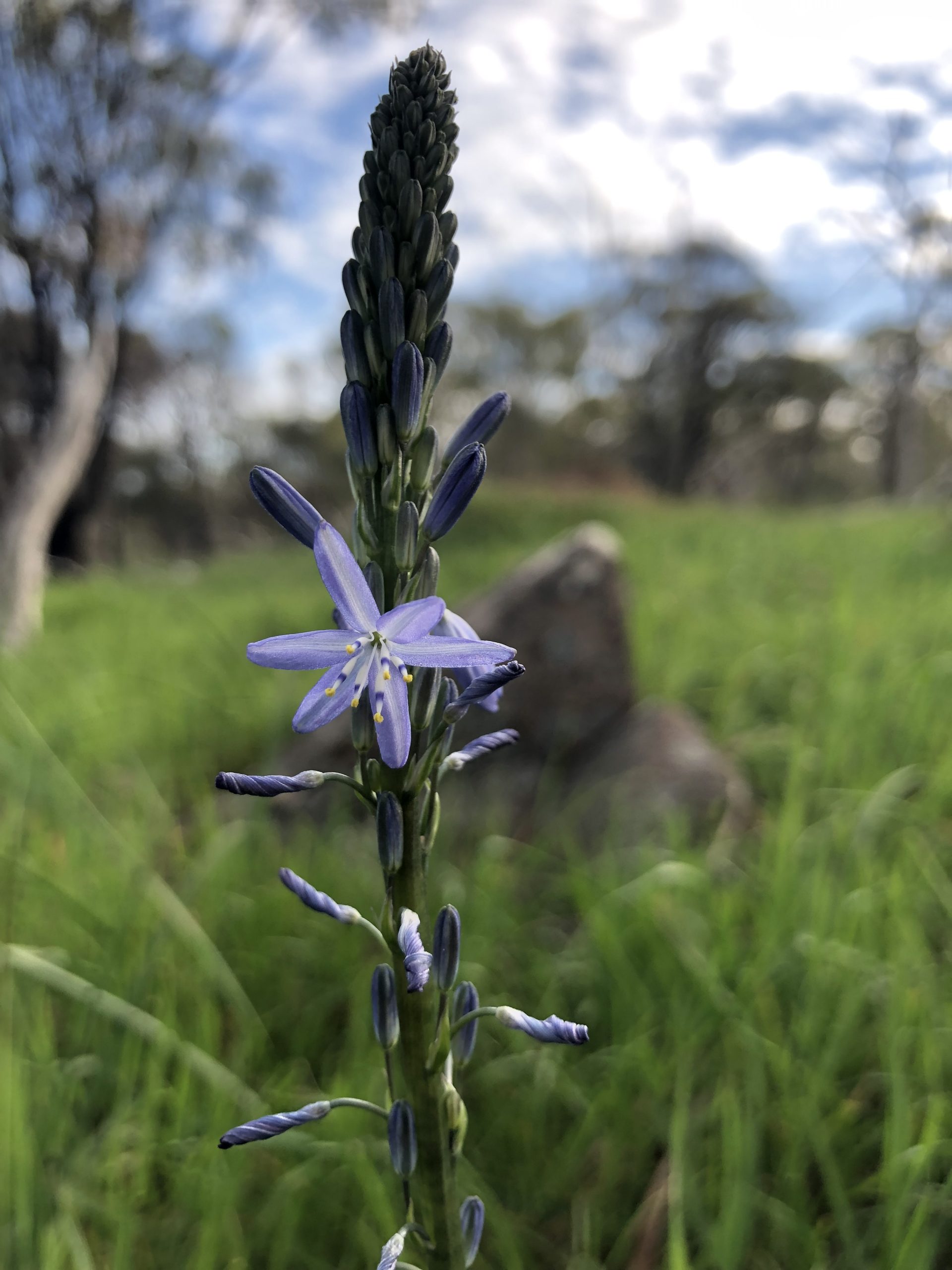
-
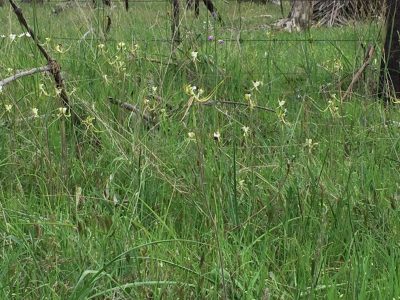
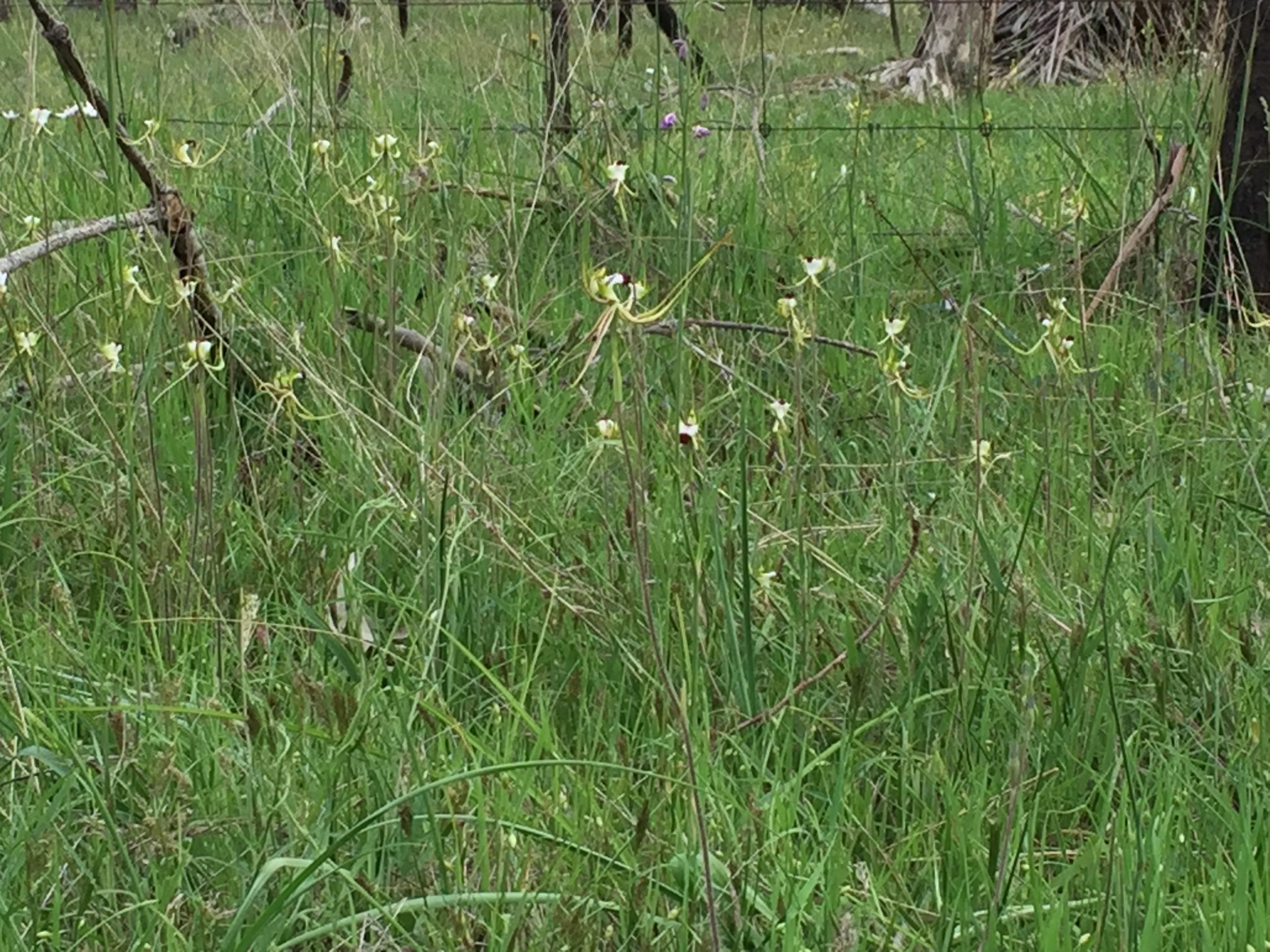
- King spider orchids (Caledenia tentaculata) at Charleston Con Park
-
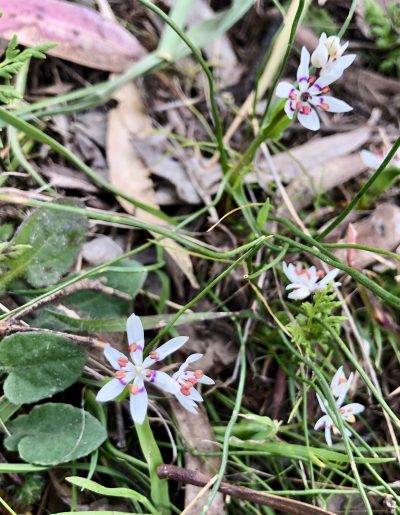
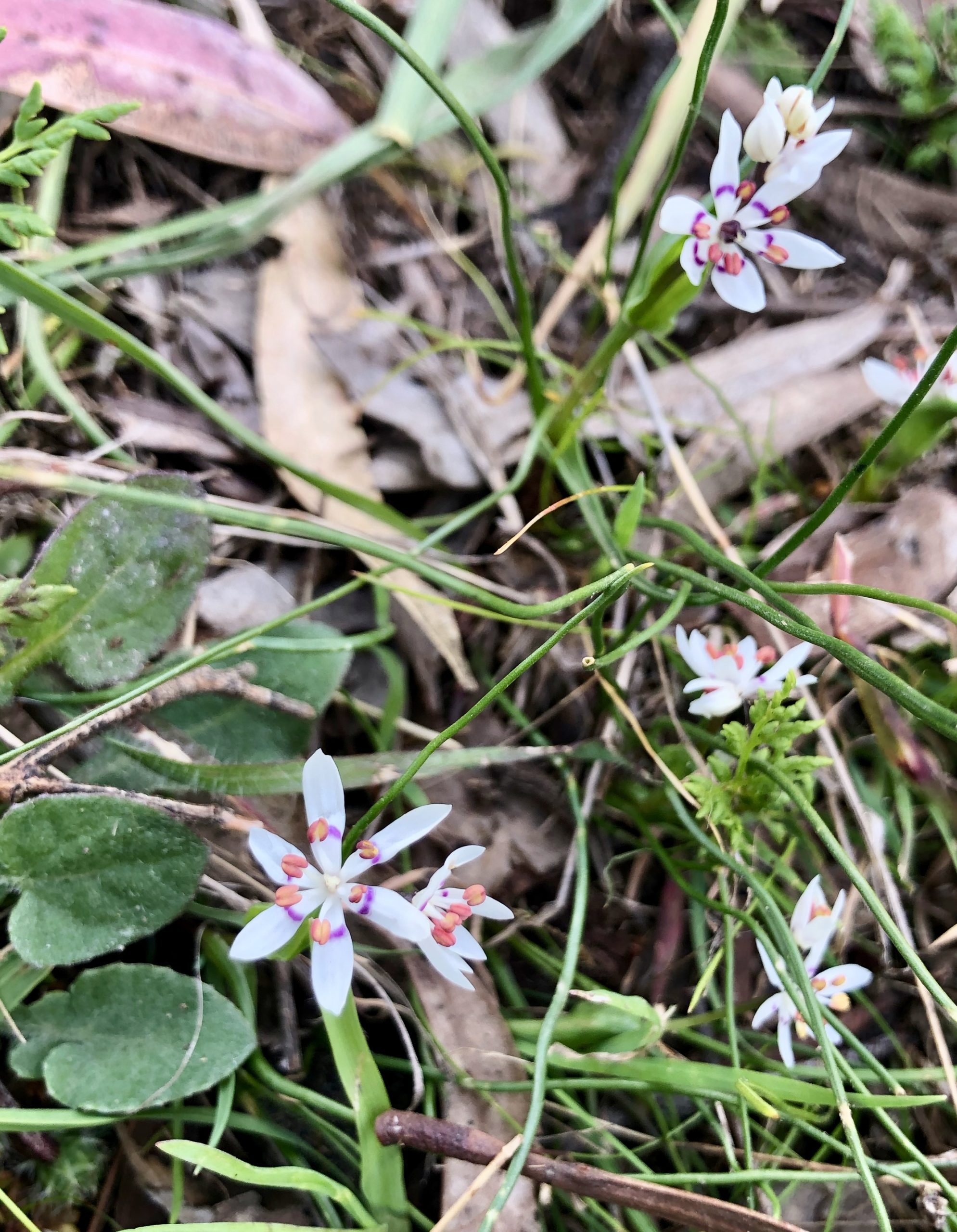
- Early Nancy (wurmbea dioica)
-
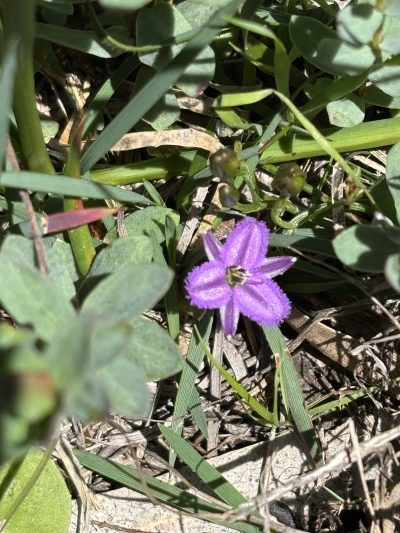
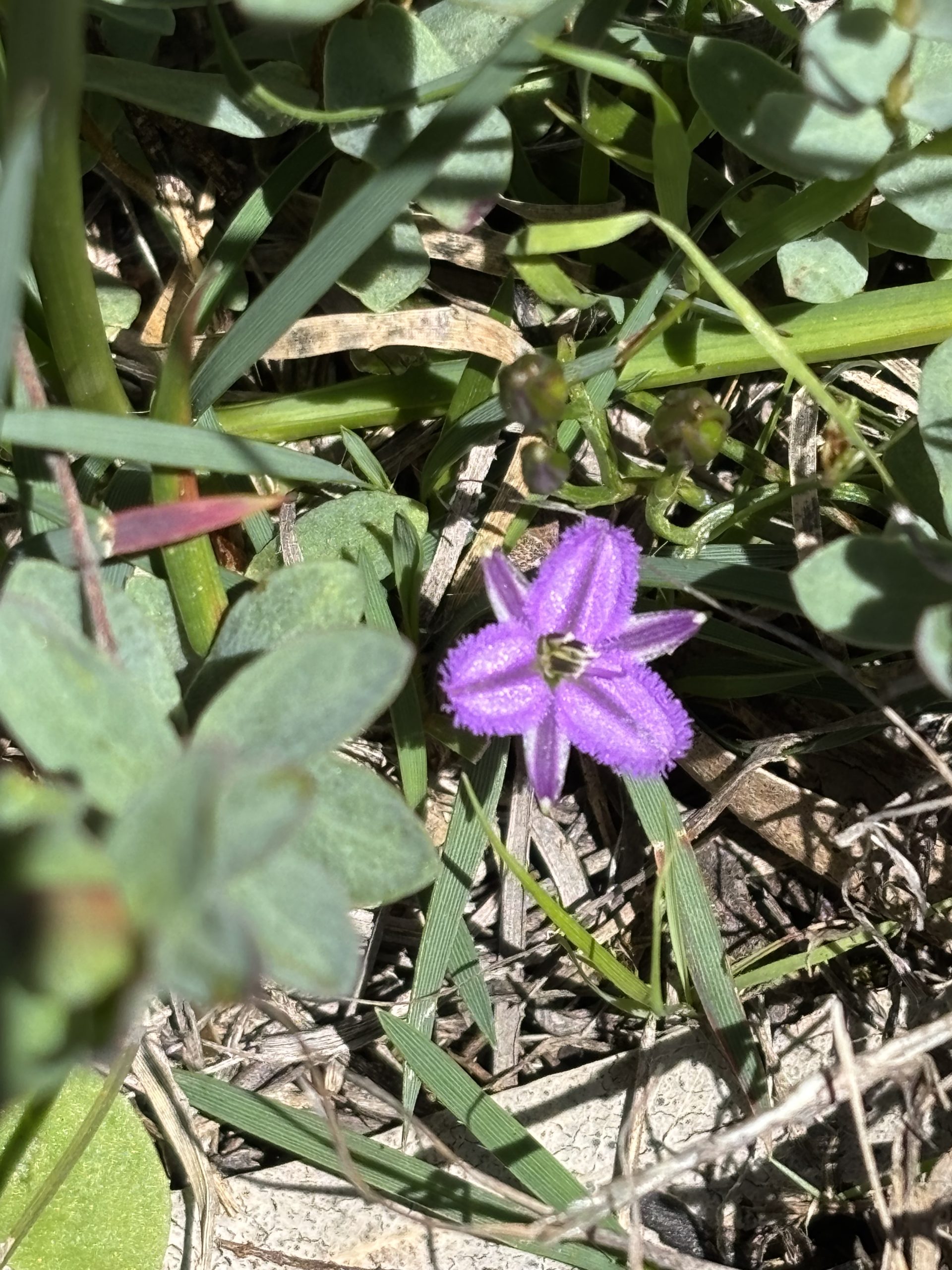
- Rush fringe lily (thysanotus racemoides)
-
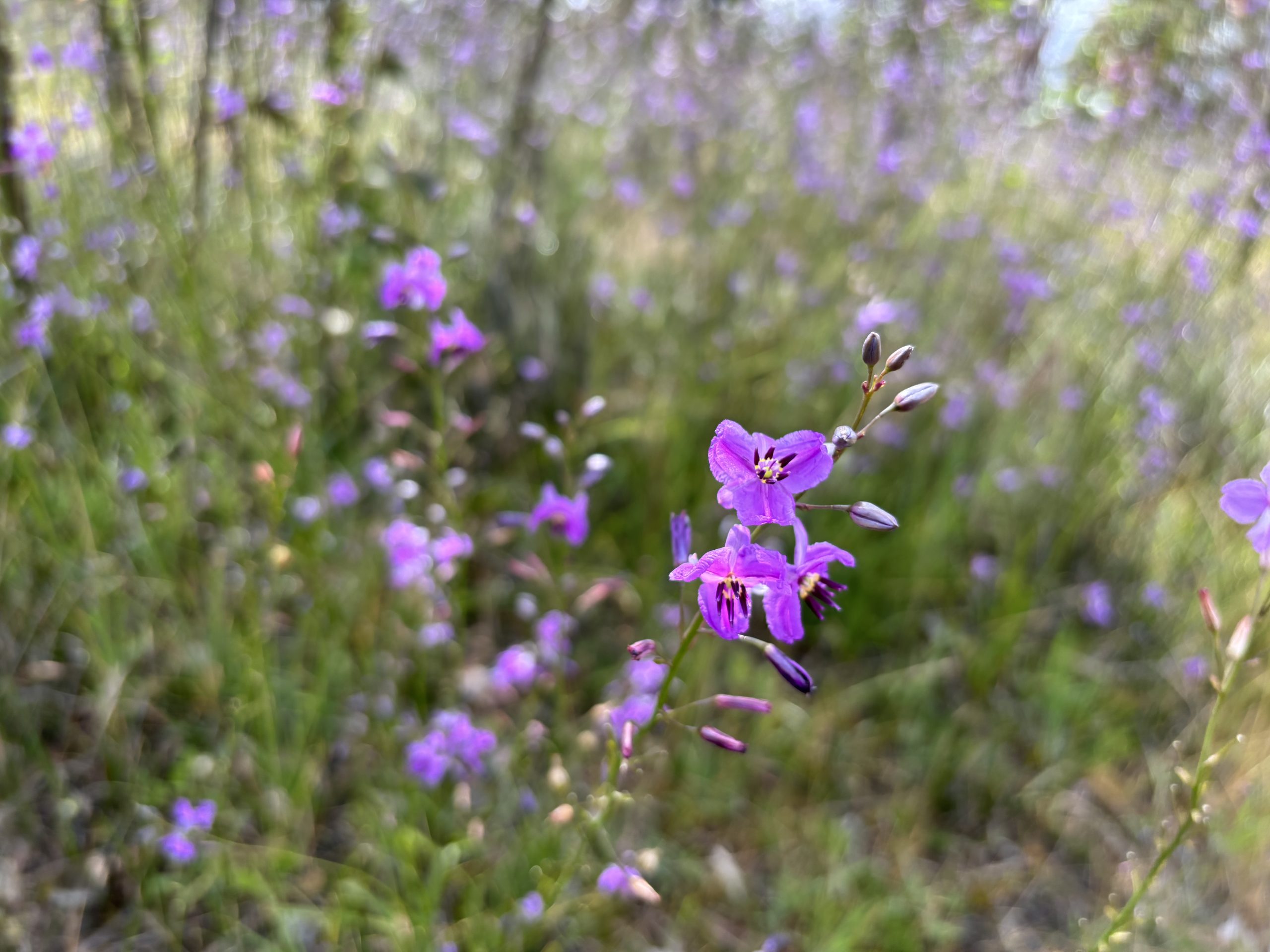
- Chocolate lily (arthropodium strictum)
-
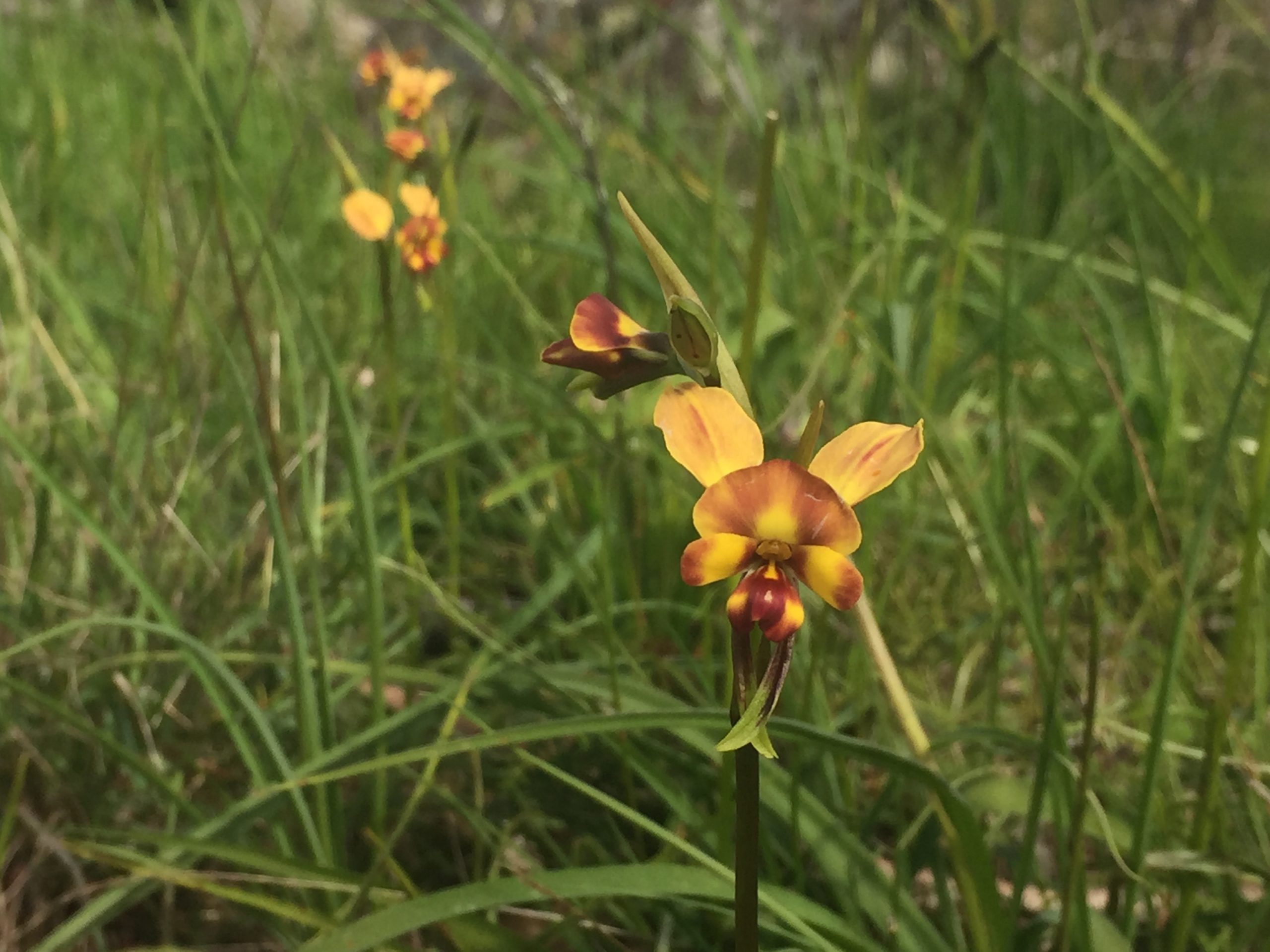
- Donkey Orchid (diuris spp)
-
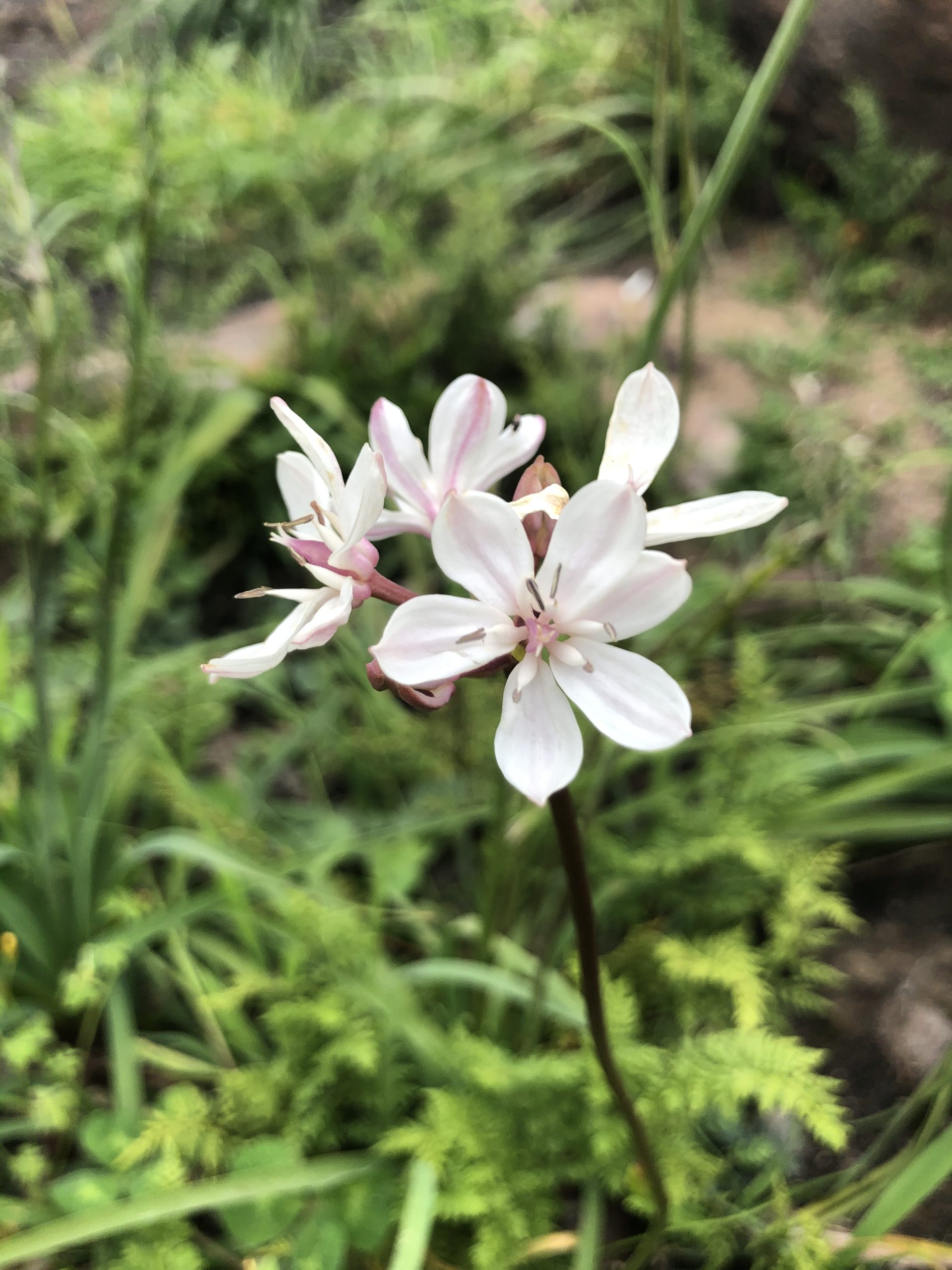
- Milkmaids (burchadia umbellata)
-
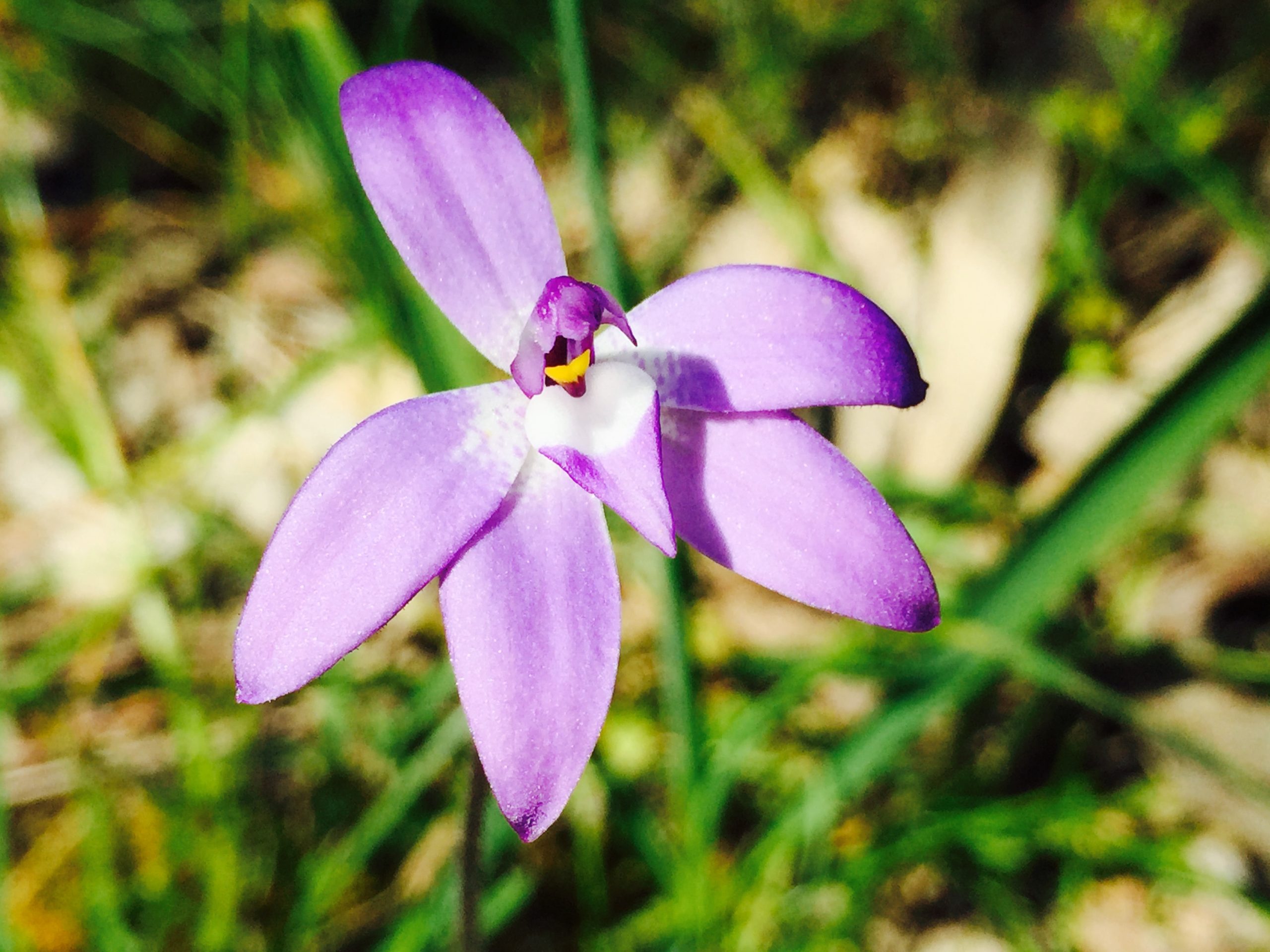
- purple cockatoo orchid (glossodia major), common.
-
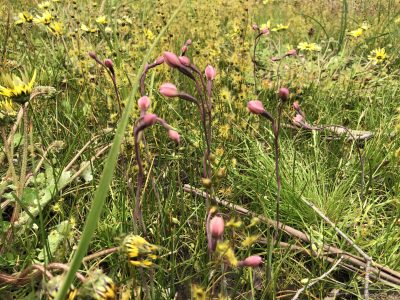
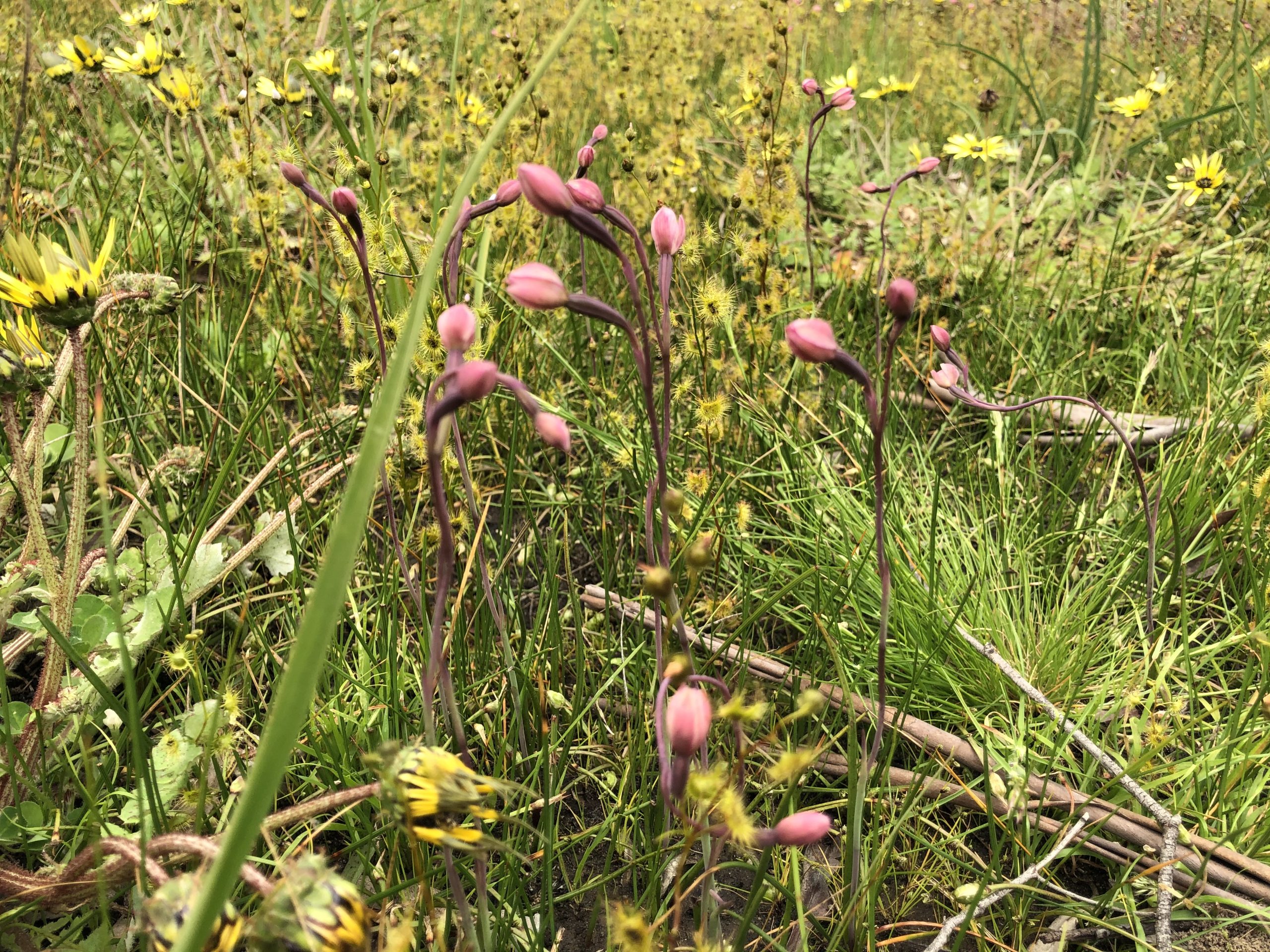
- pink sun orchid (thelymitra rubra)
-
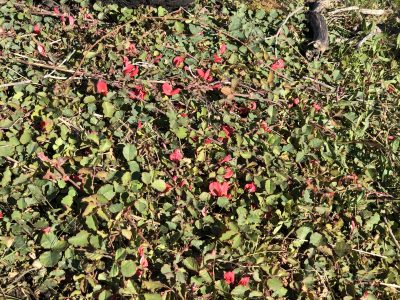
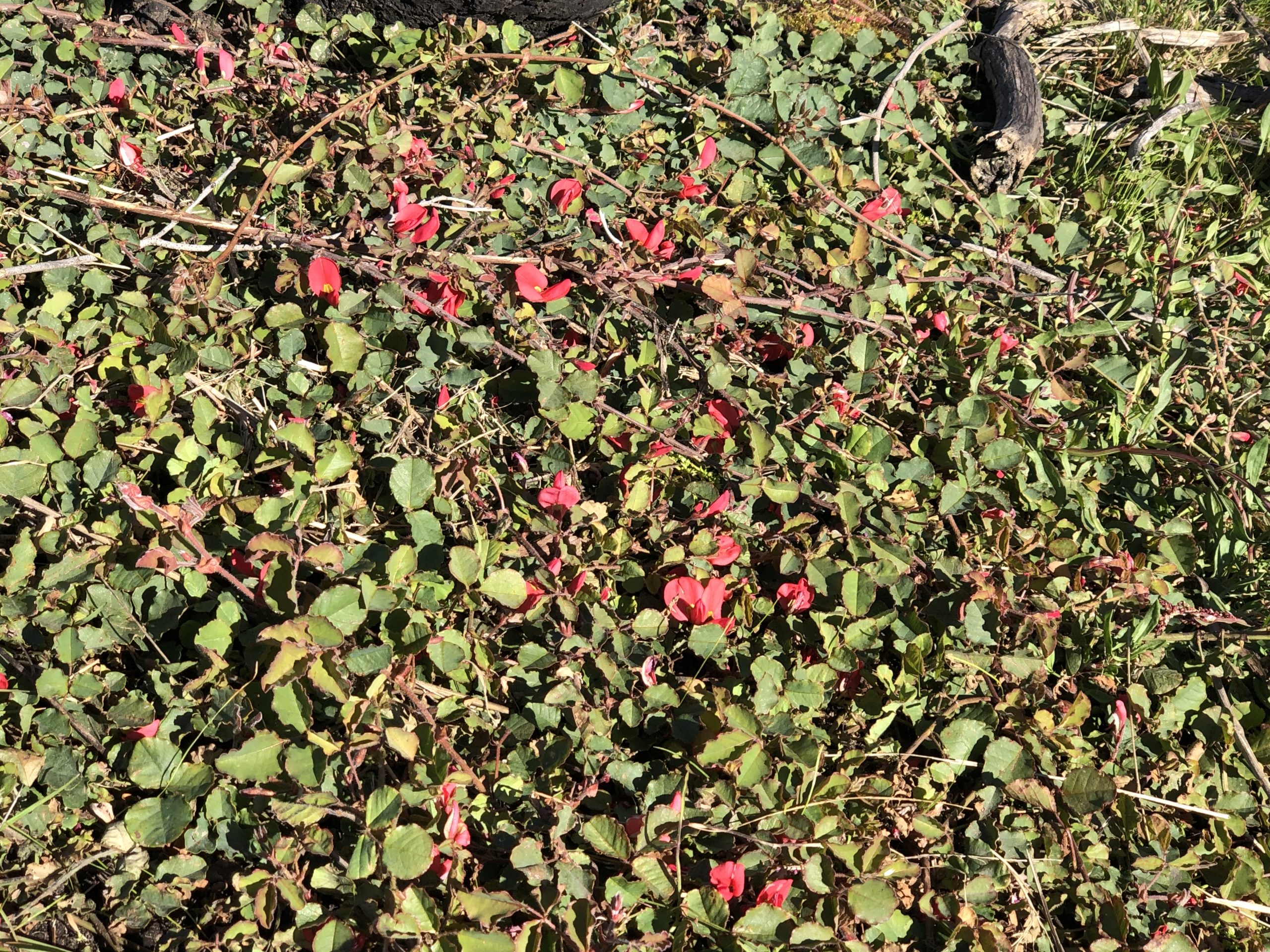
- Running postman (kennedia prostrata)
-
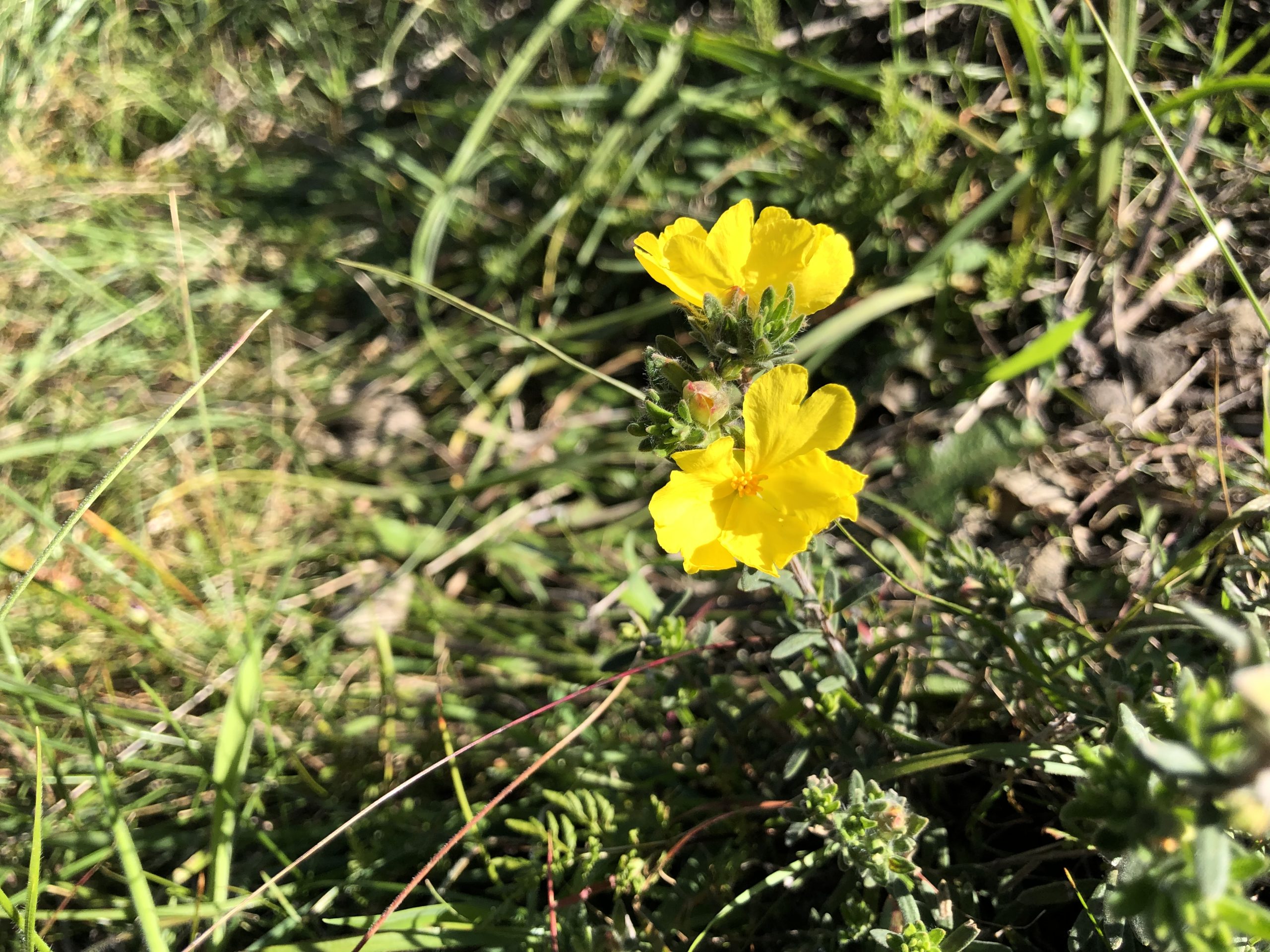
- Silky guinea flower (hibbertia crinita) forms a small bush with bright yellow flower in winter.
-
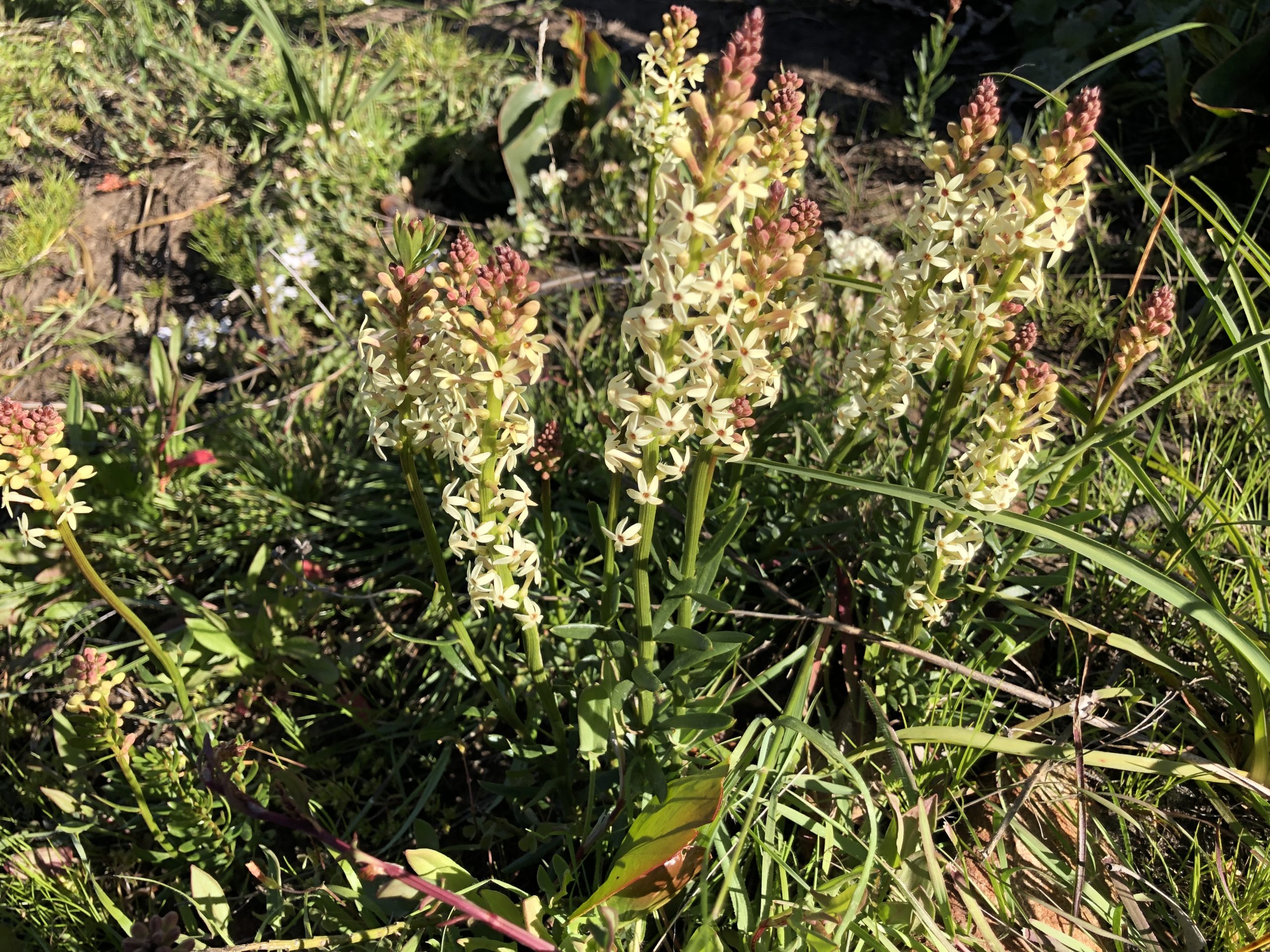
- creamy candles (stackhousia monogyna)
-
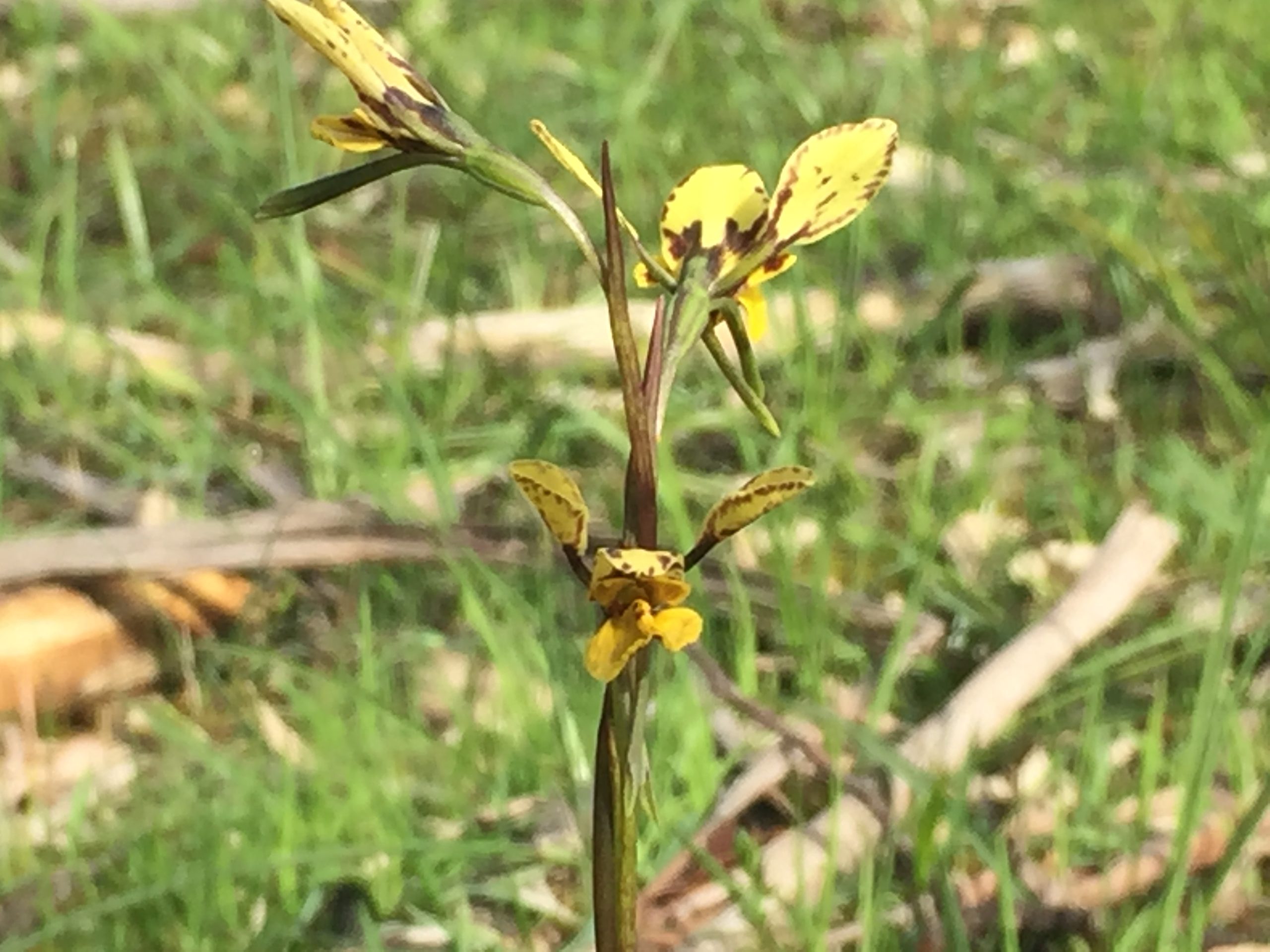
- spotted donkey orchid (diuris pardina)
-
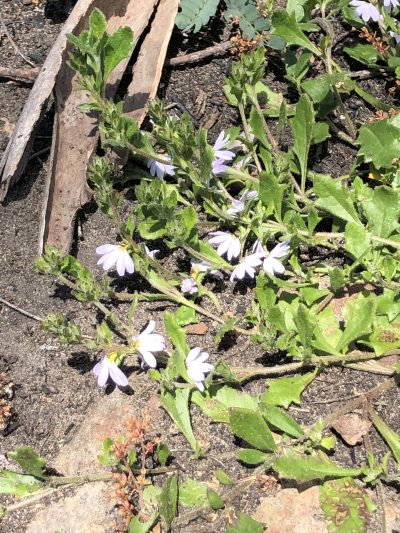
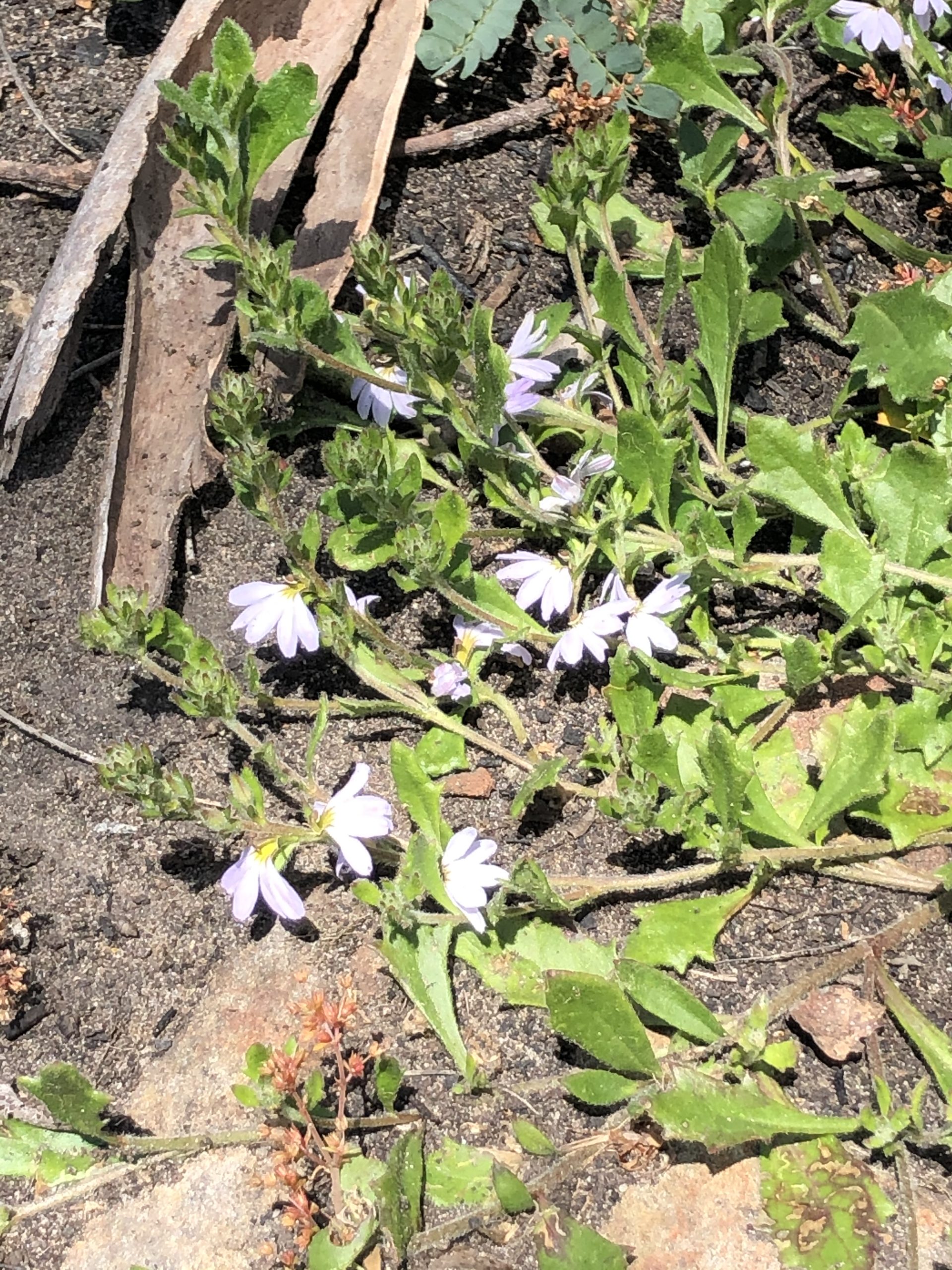
- Fan flower (scaevola albida)
-
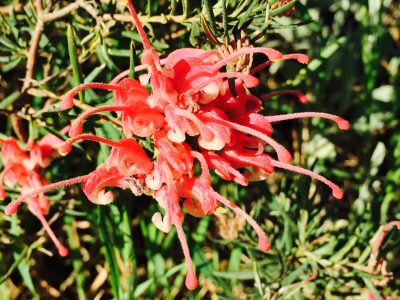
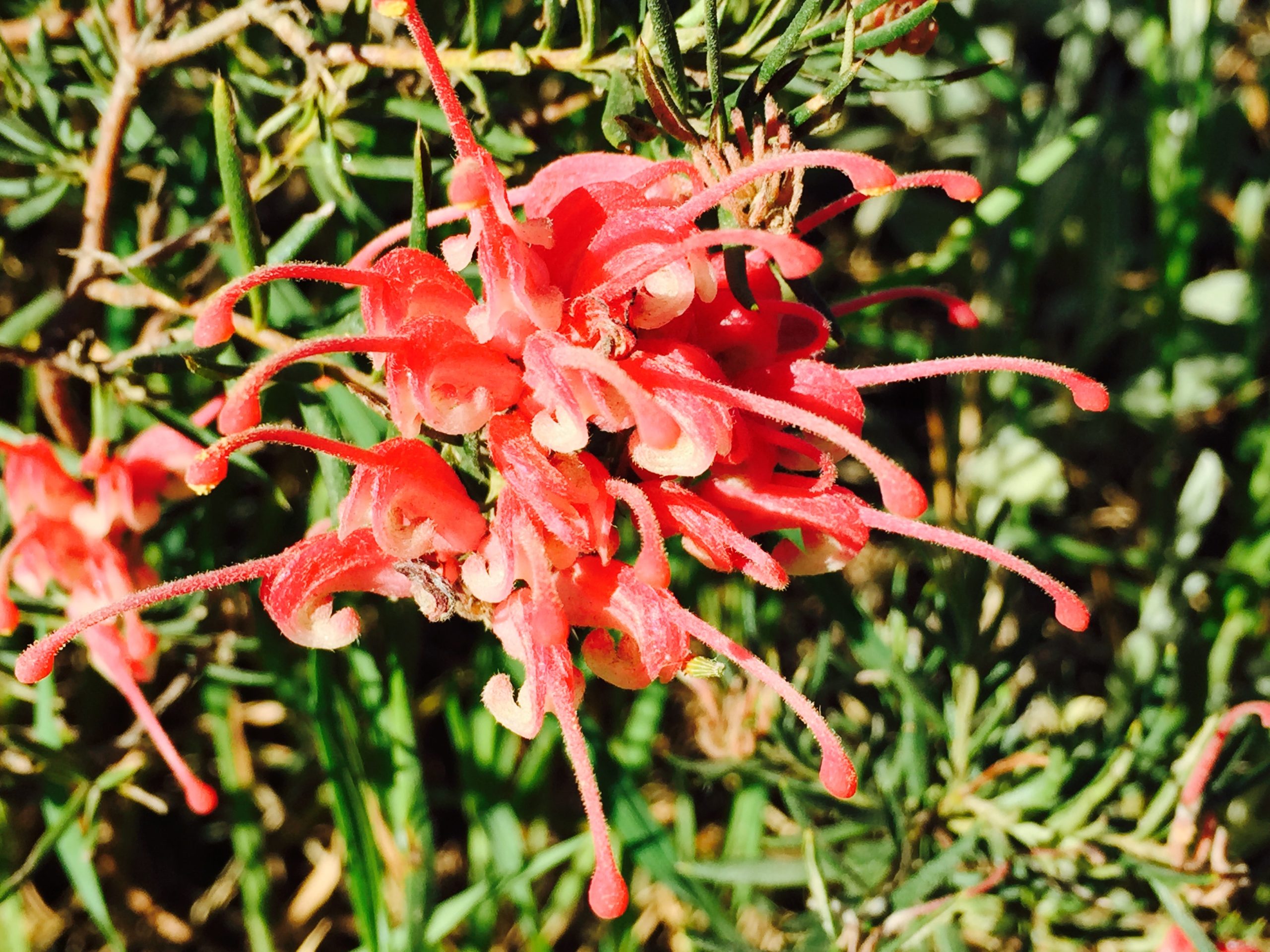
- Grevillea lavandulacea can sometimes be seen on roadsides.
-
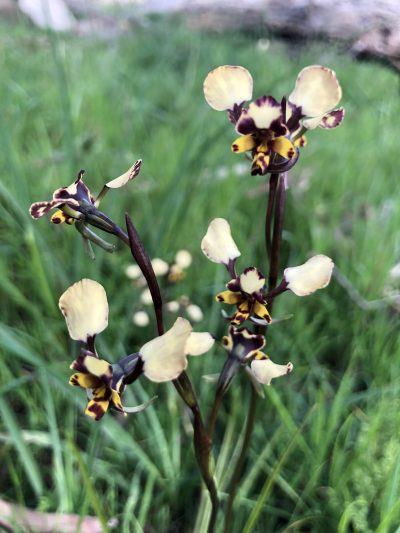
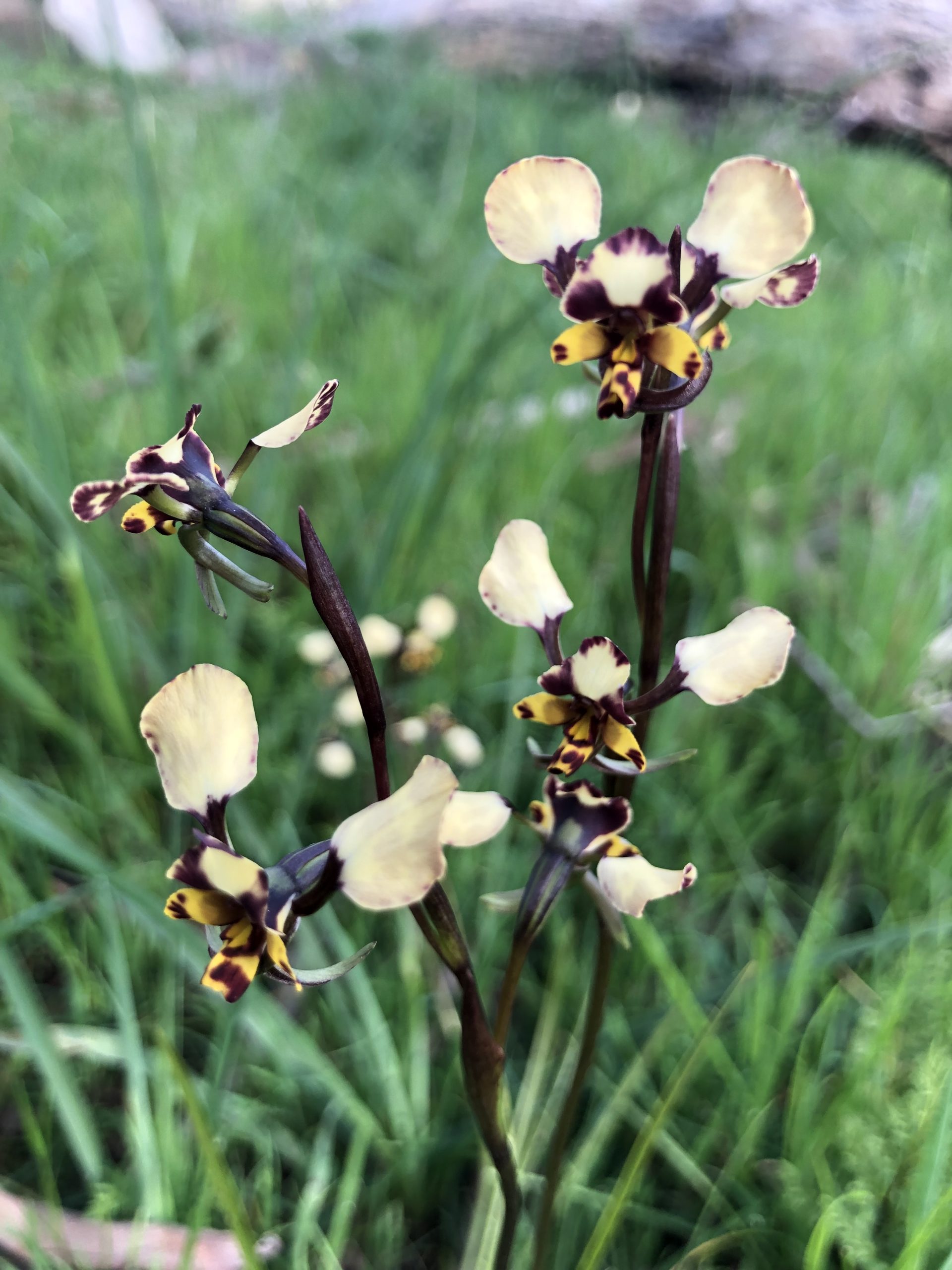
- bulldog orchid (diuris spp)
-
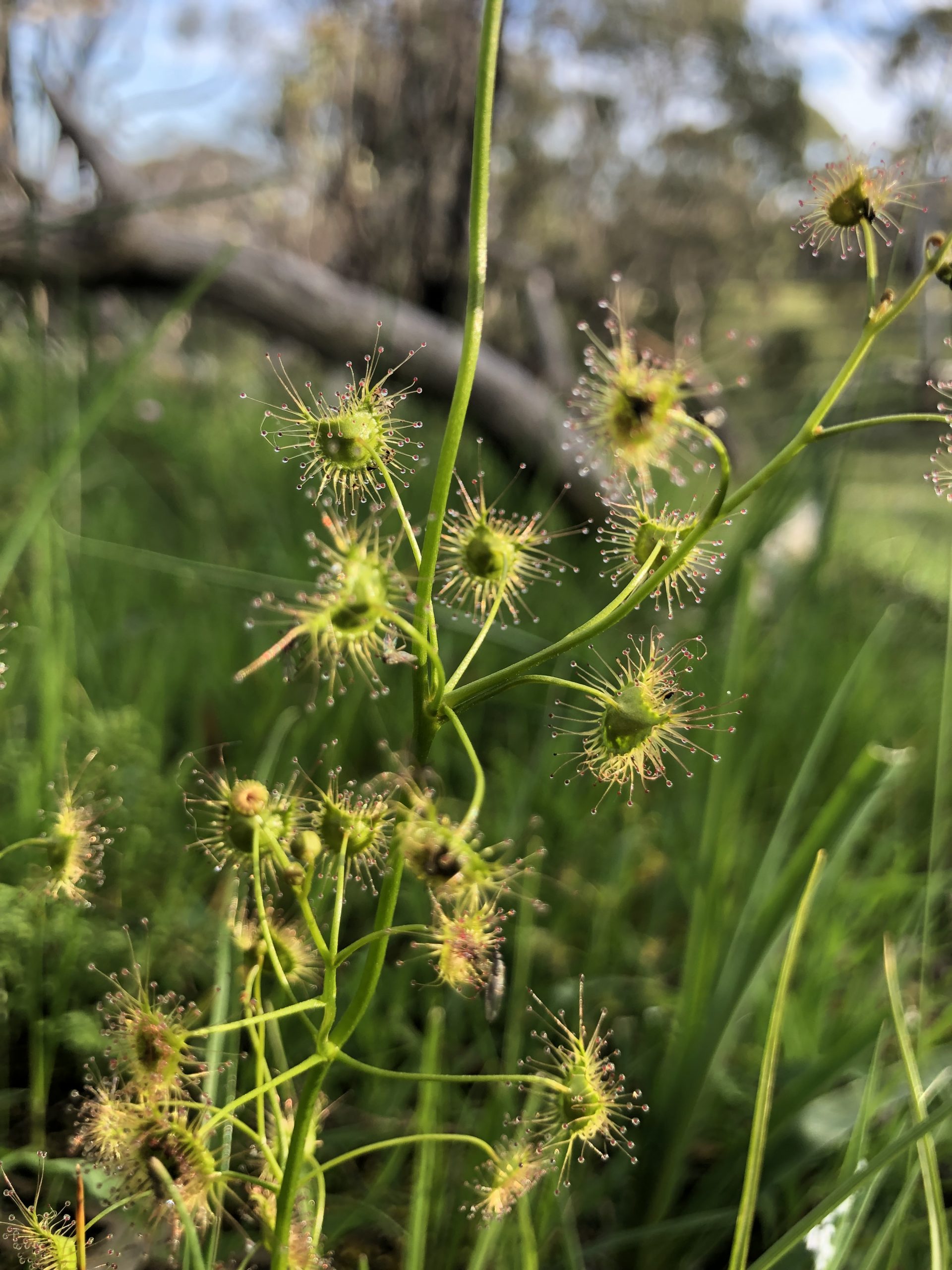
- tall sundew (drosera acriculata) can be topped with small pink or white flowers.
-
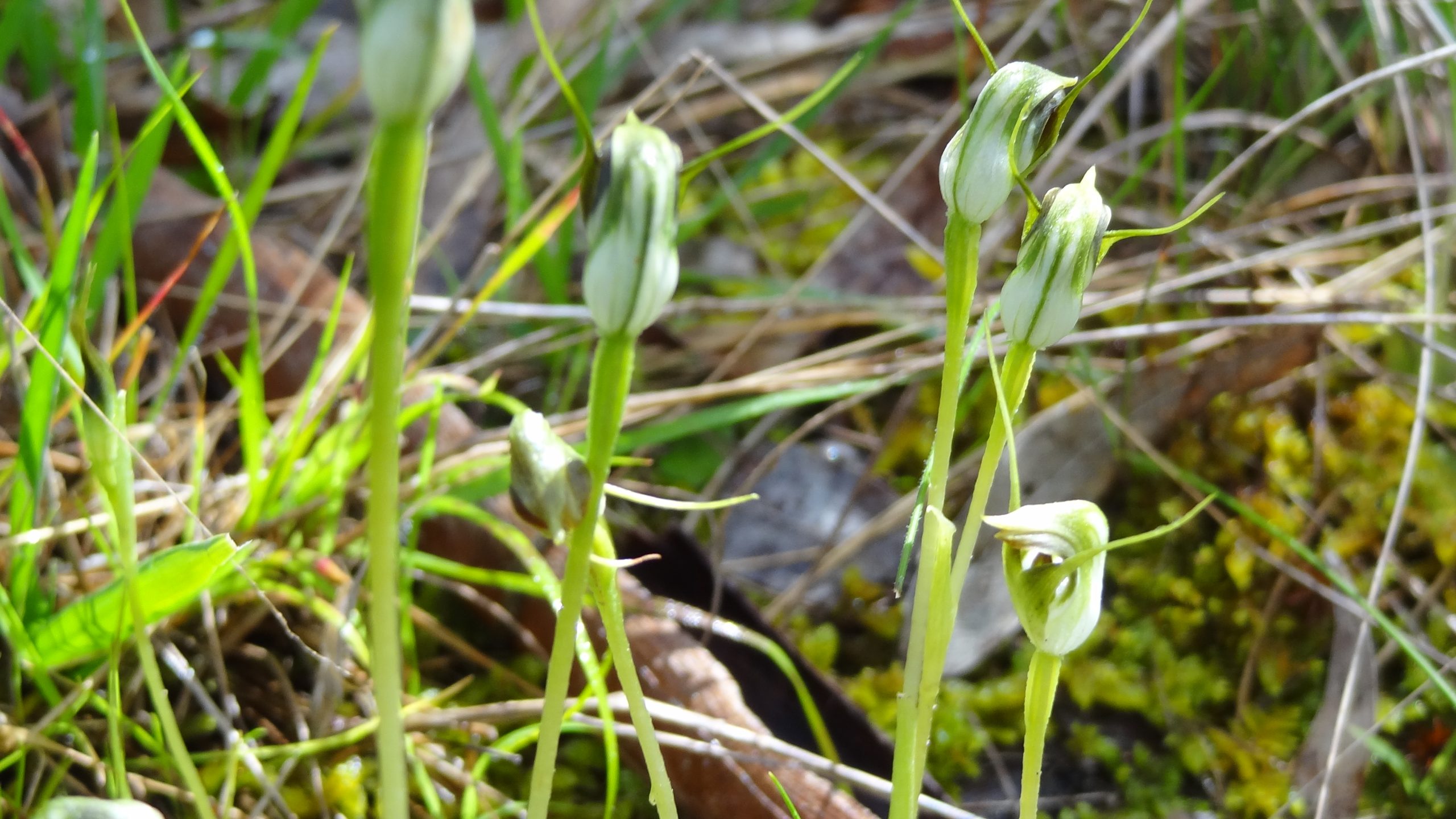
- A stand of small greenhood orchids (pterostylis nana) in wooded grassland prior to the Cudlee Creek bushfire.
-
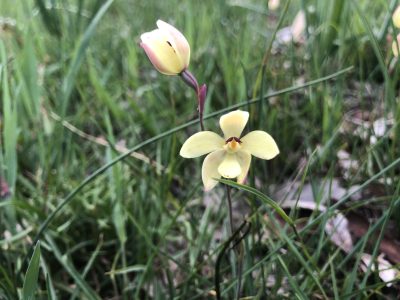
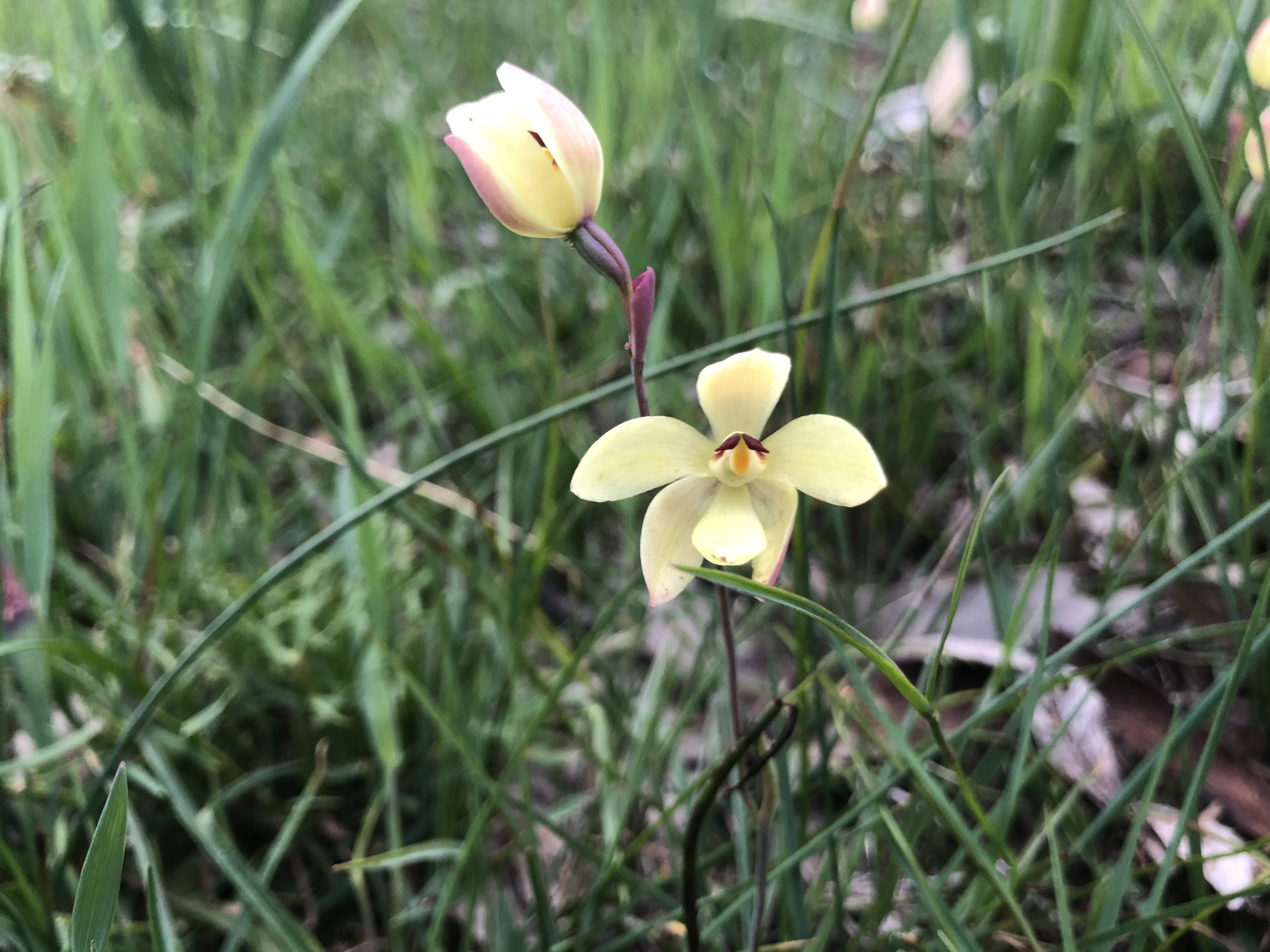
- lemon sun orchid (thelymitra antennifera) at Charleston CP
-
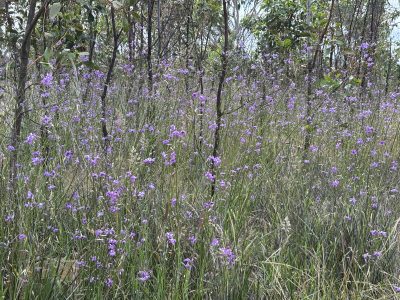
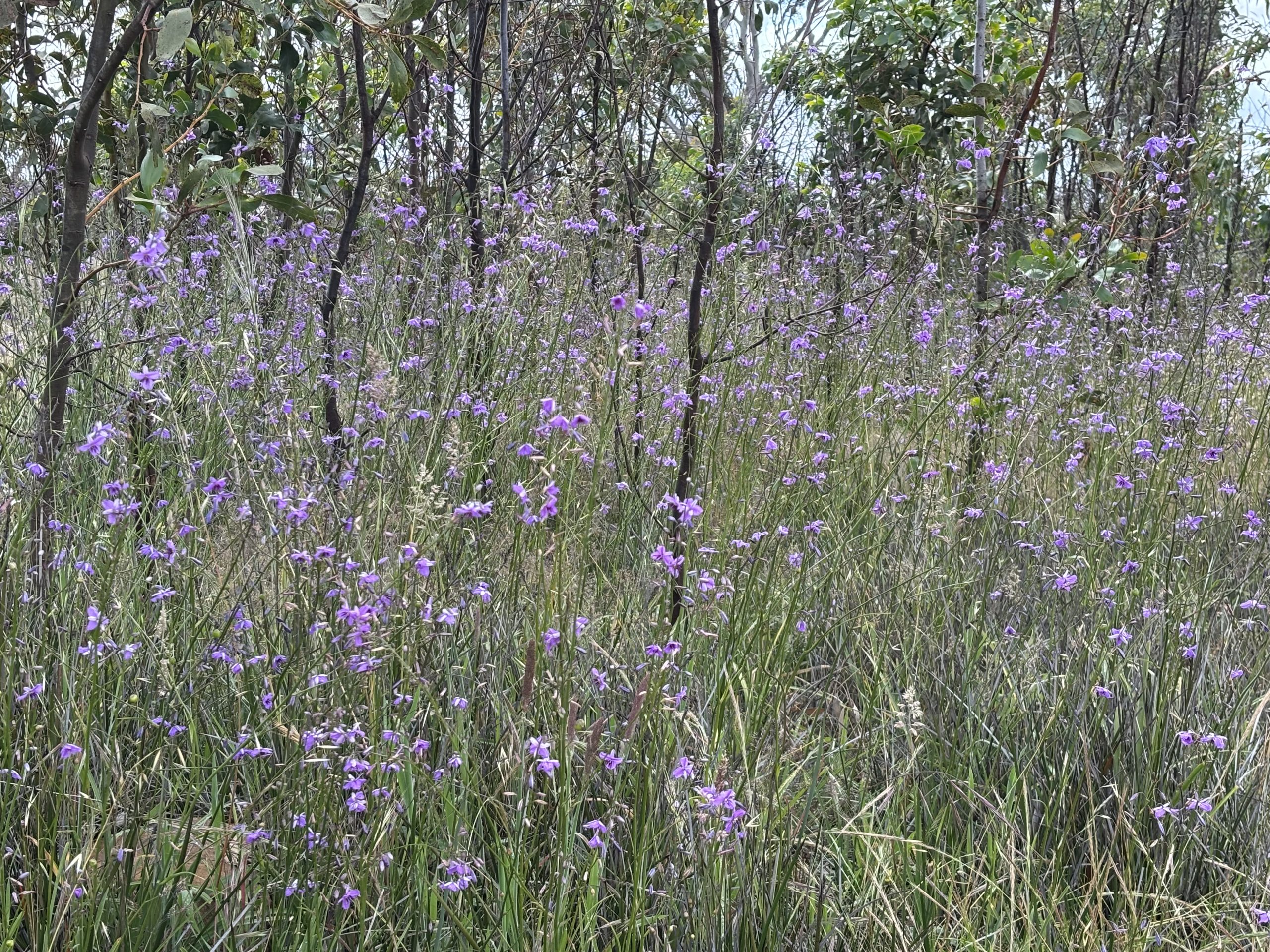
- A big stand of chocolate and vanilla lilies.
-
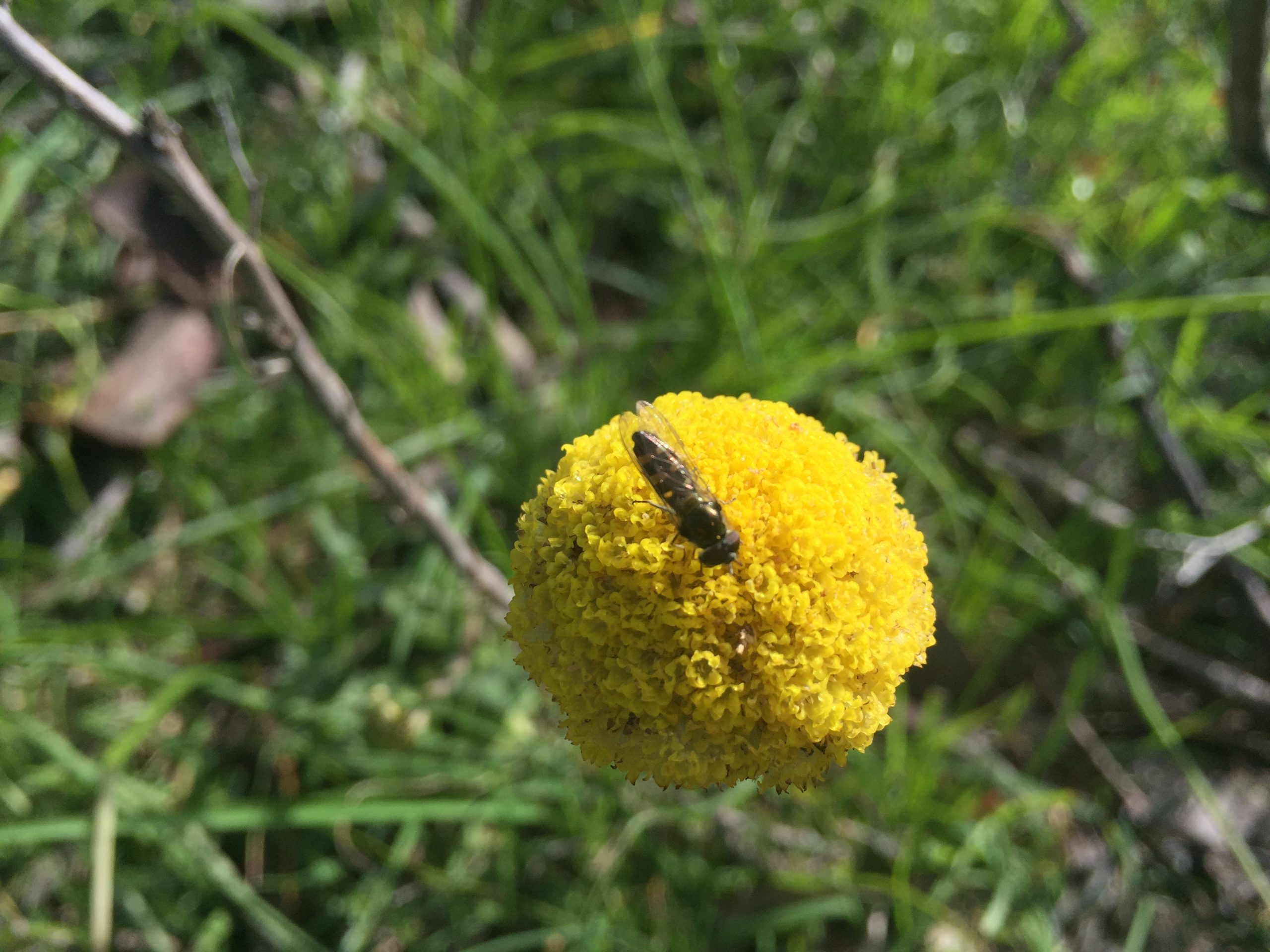
- Billy-buttons (crespedia variabilis)
-
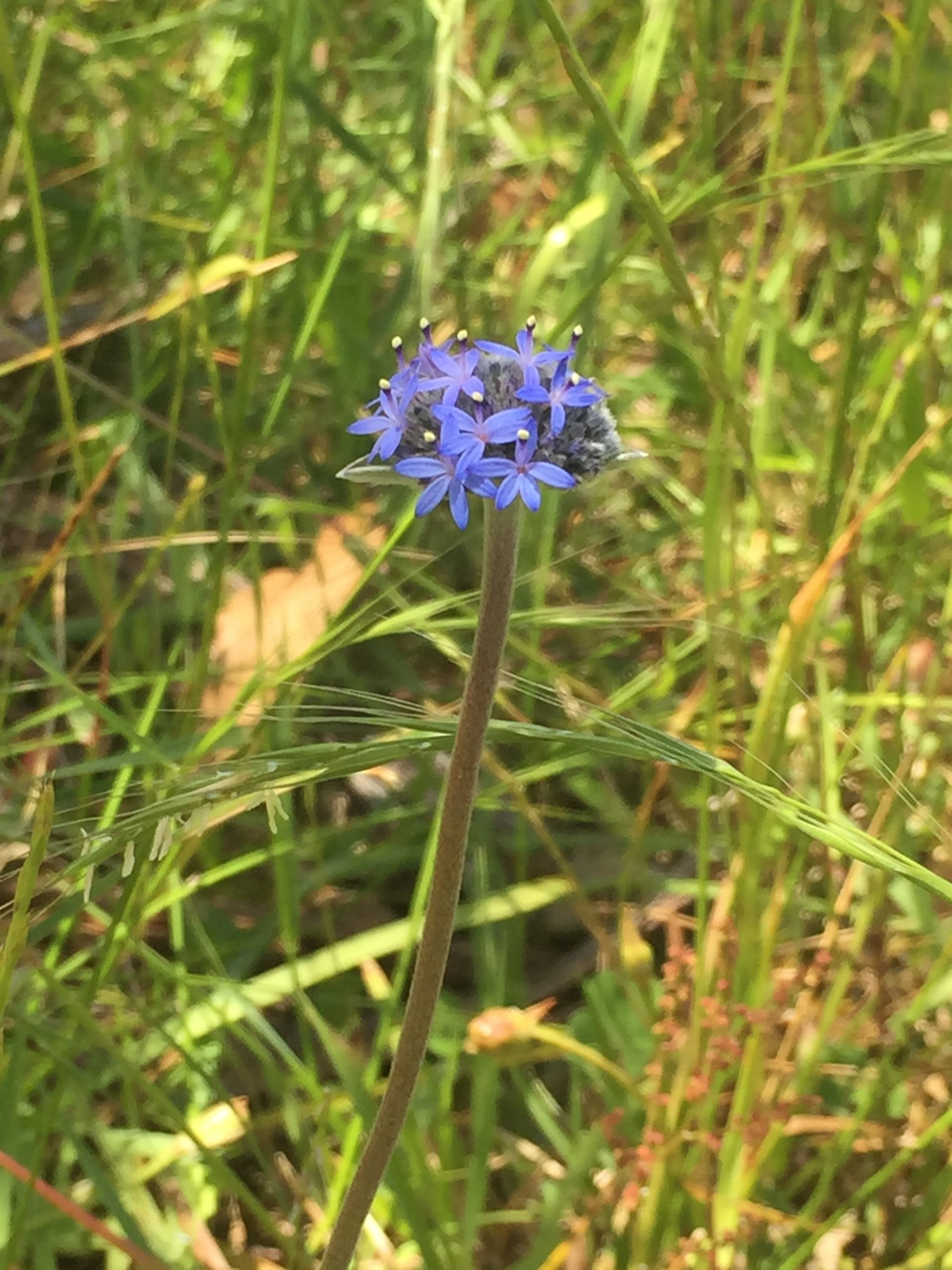
- Blue pincushion (Brunonia Australis)
-
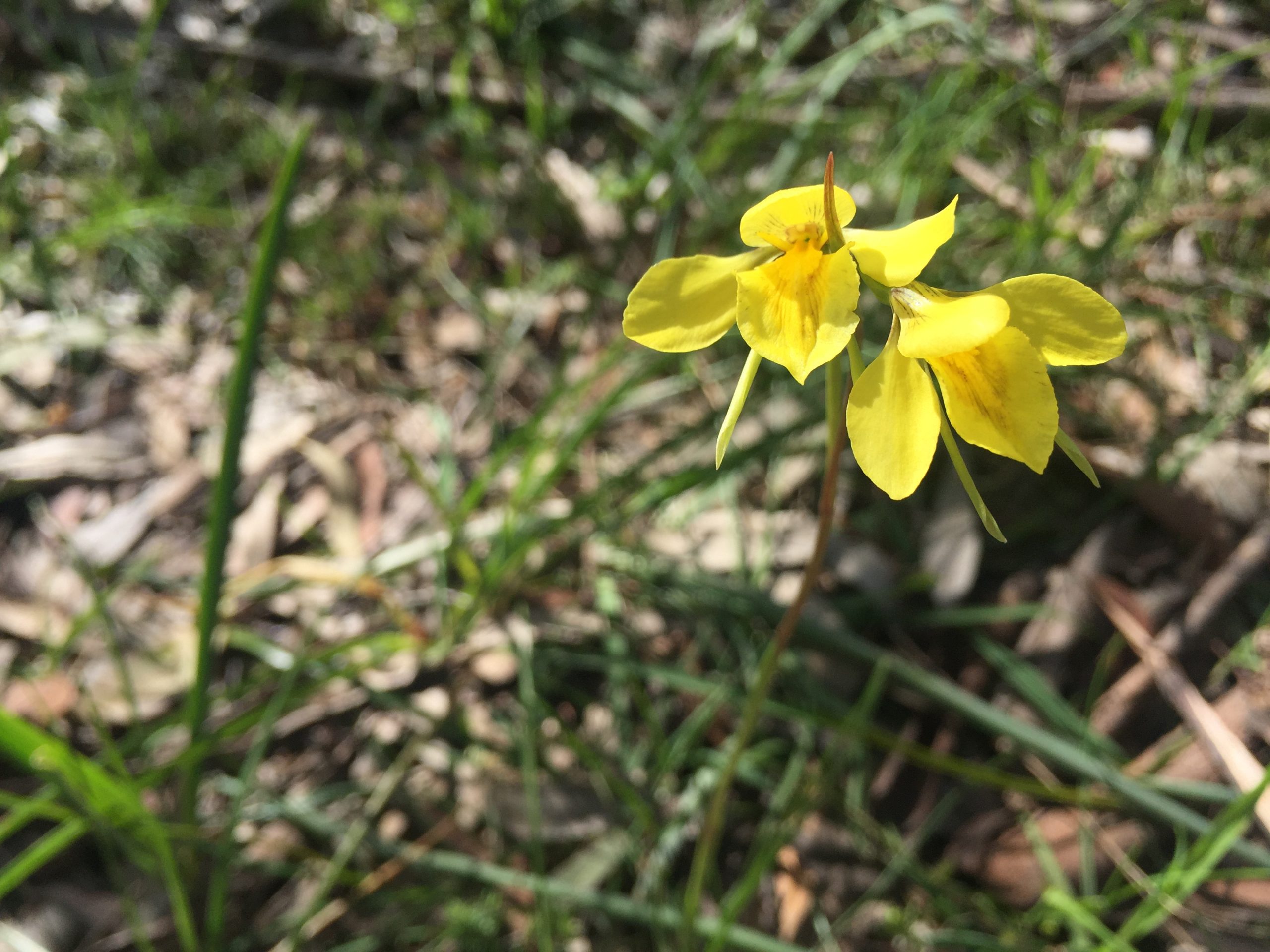
- Yellow cowslip (diuris behri) is vulnerable.
Fauna
-
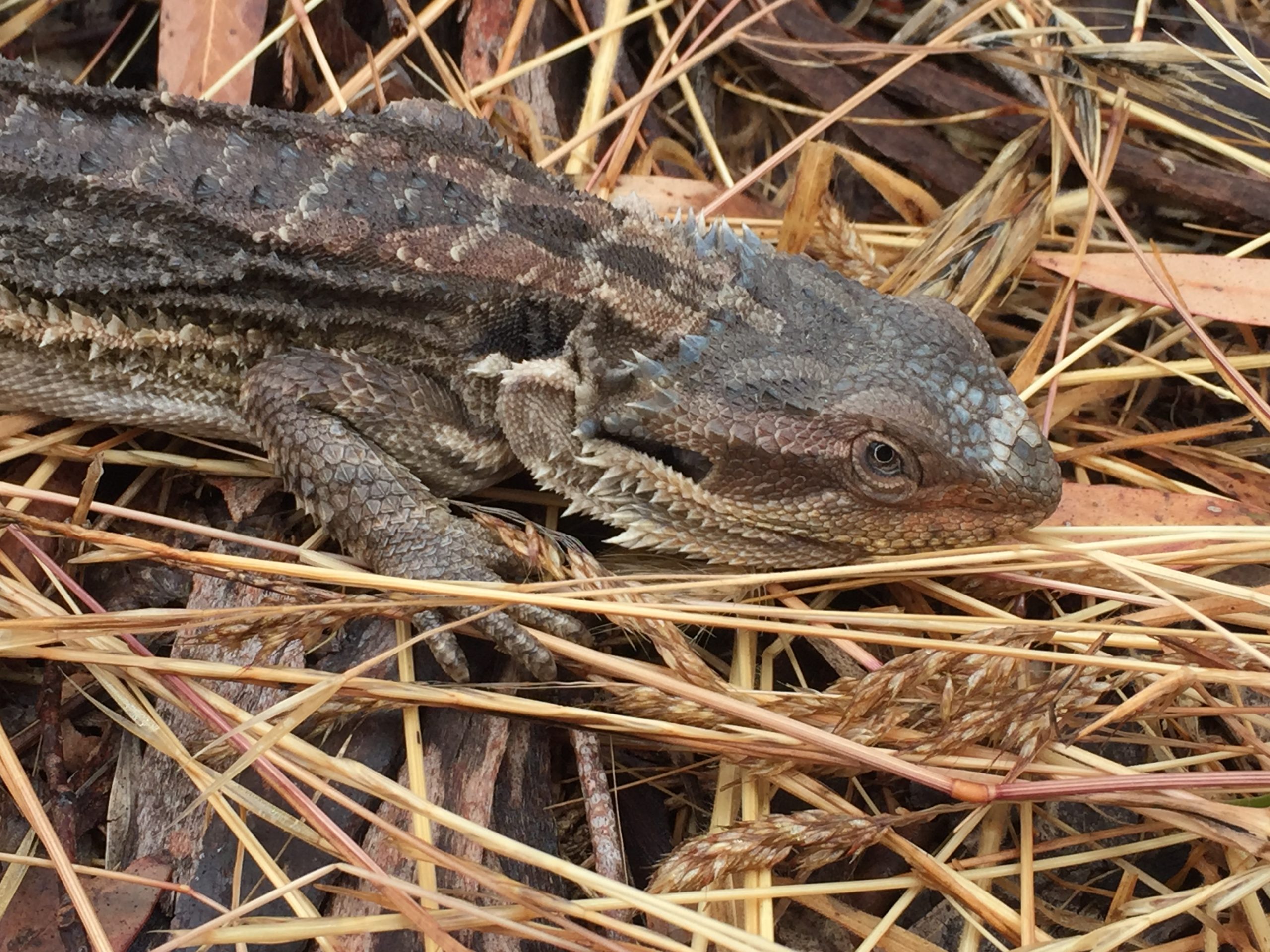
- Bearded dragons are making a comeback post-bushfire
-
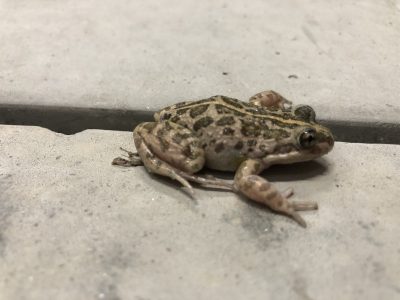
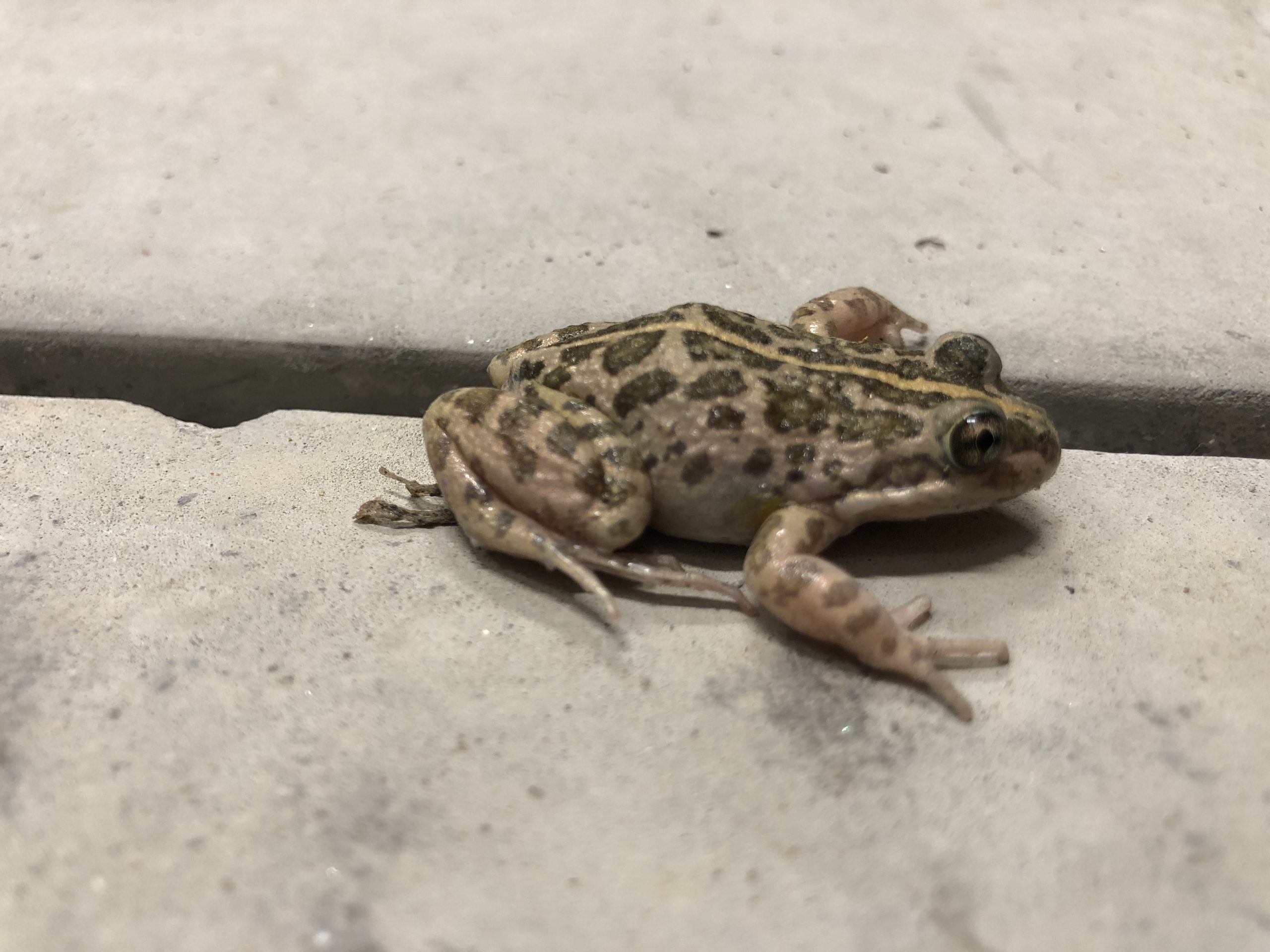
- spotted marsh frogs are common in the Adelaide hills
-
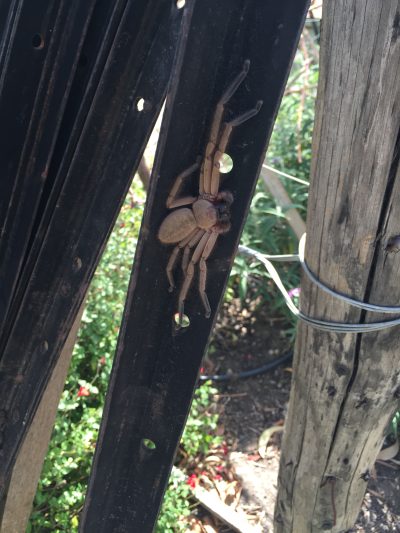
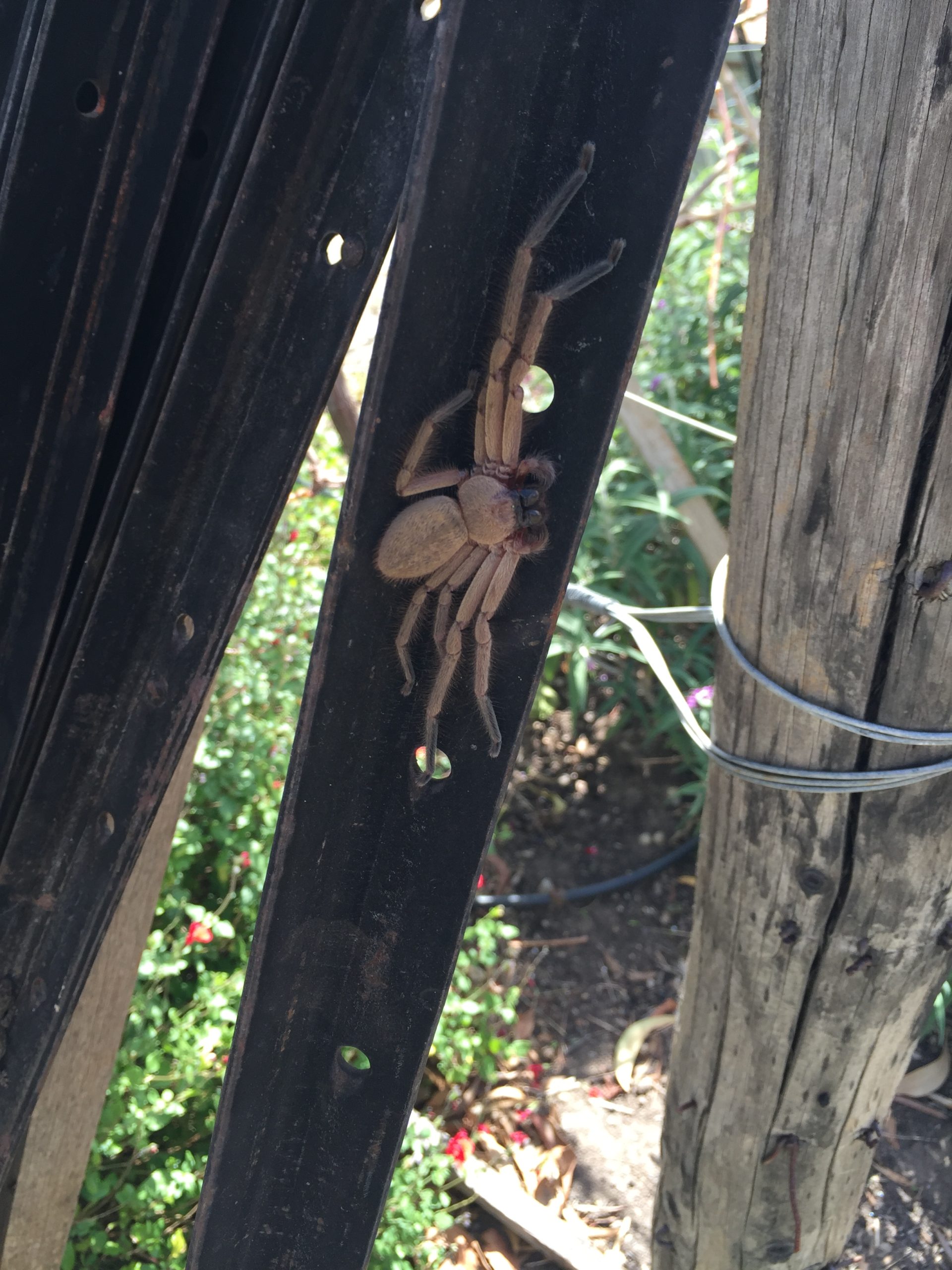
- Huntsman spiders can get big – this one spans the holes in a dropper.
-
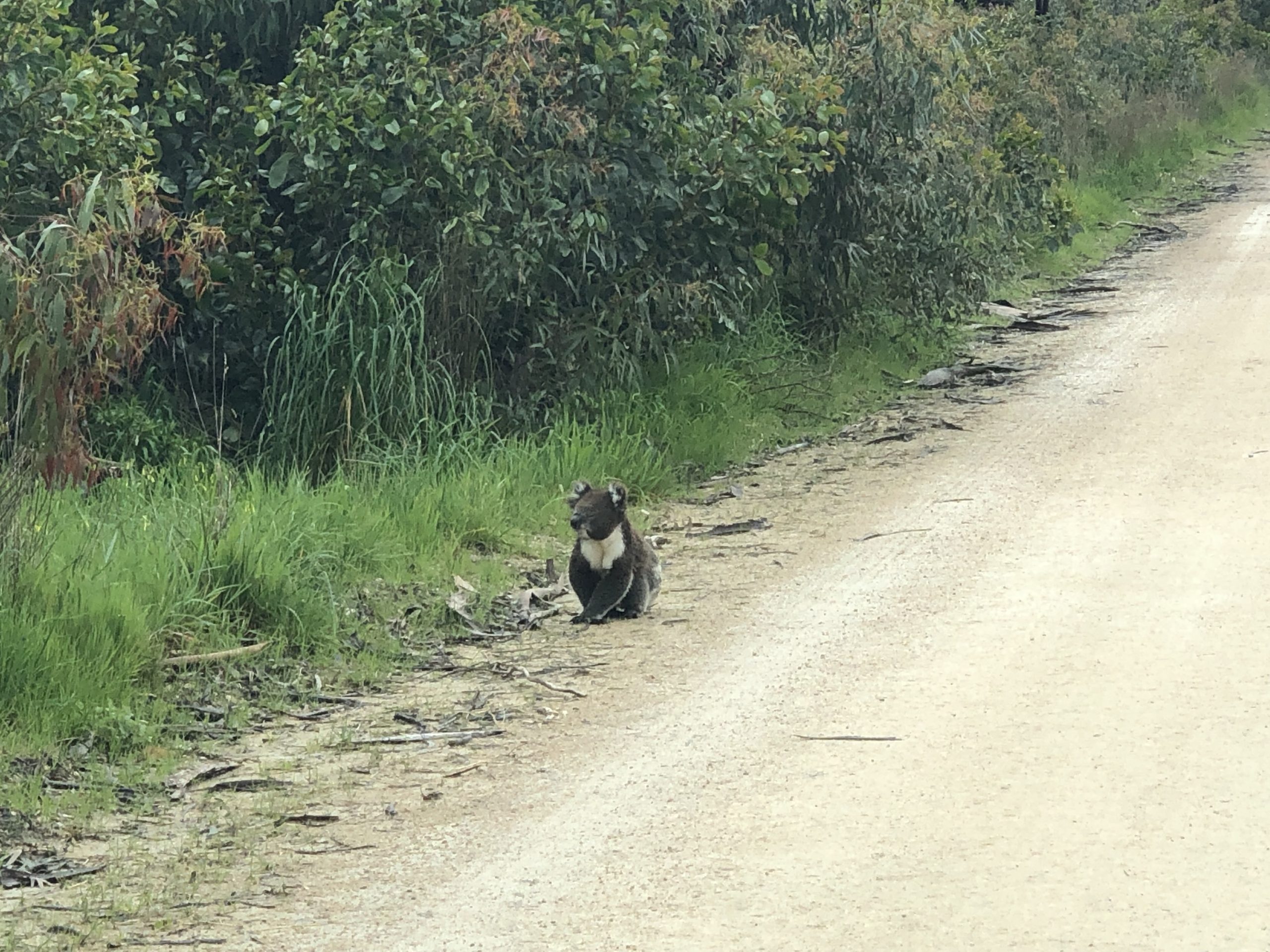
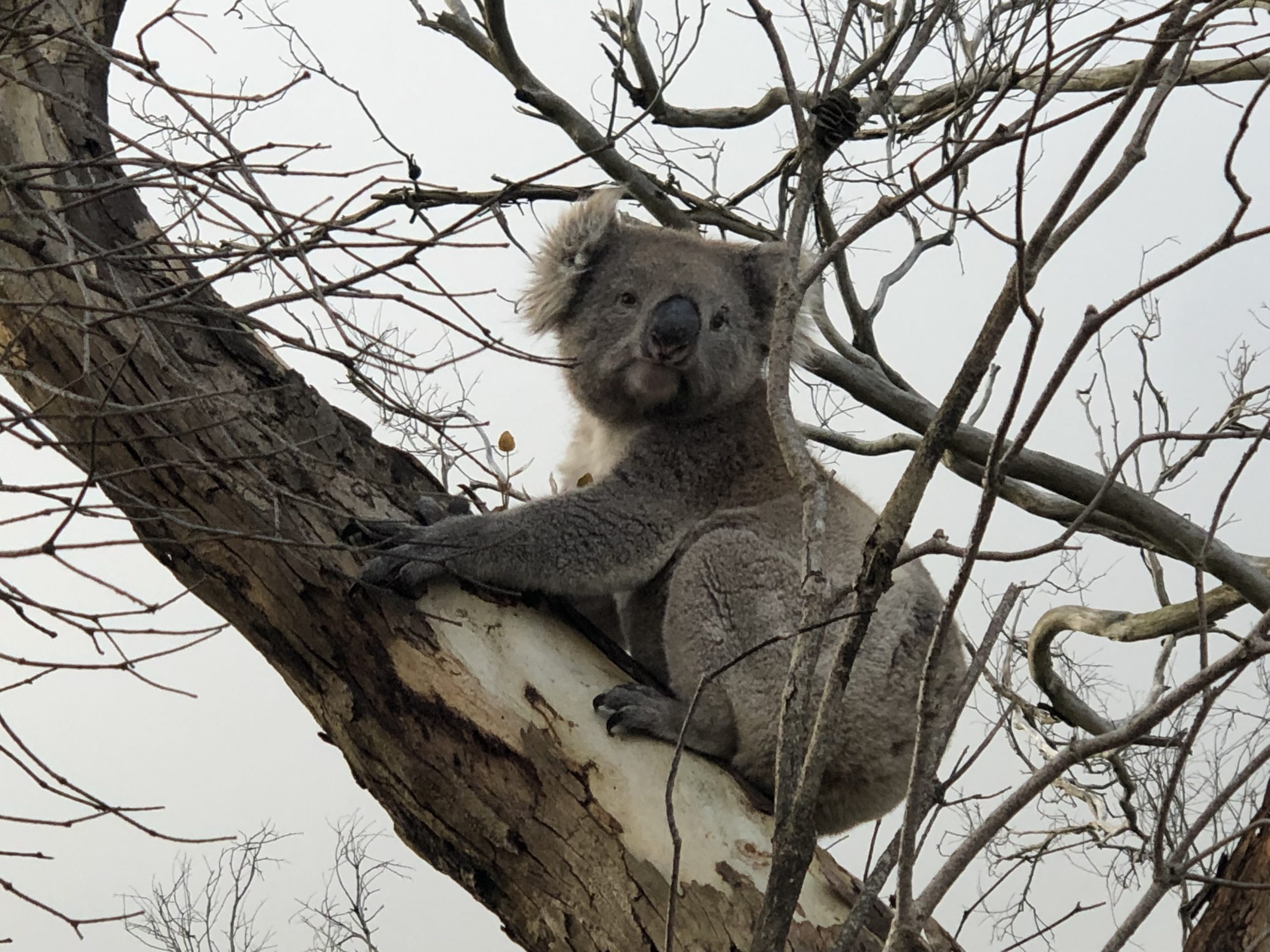
- This particular koala is often spotted along Warmington Run, so keep your eyes peeled!
-
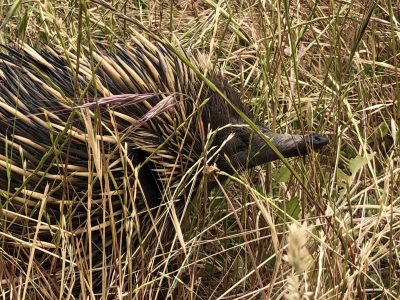
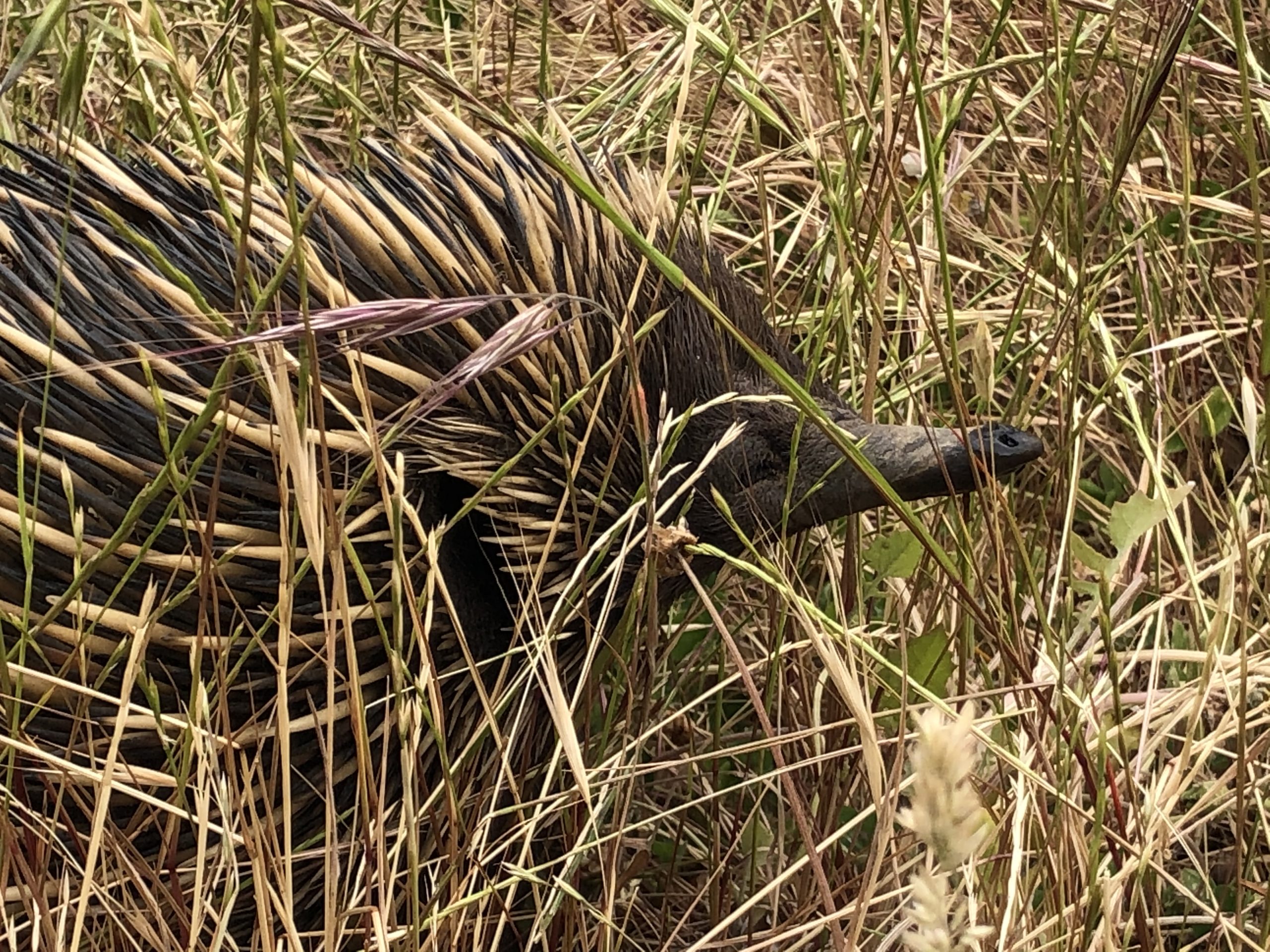
- Echidnas can be well camouflaged in summer grass.
-
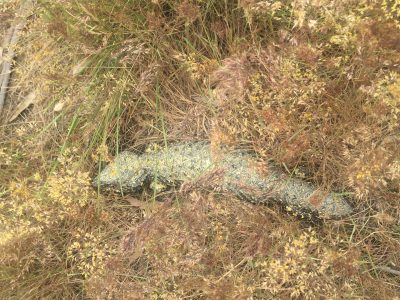
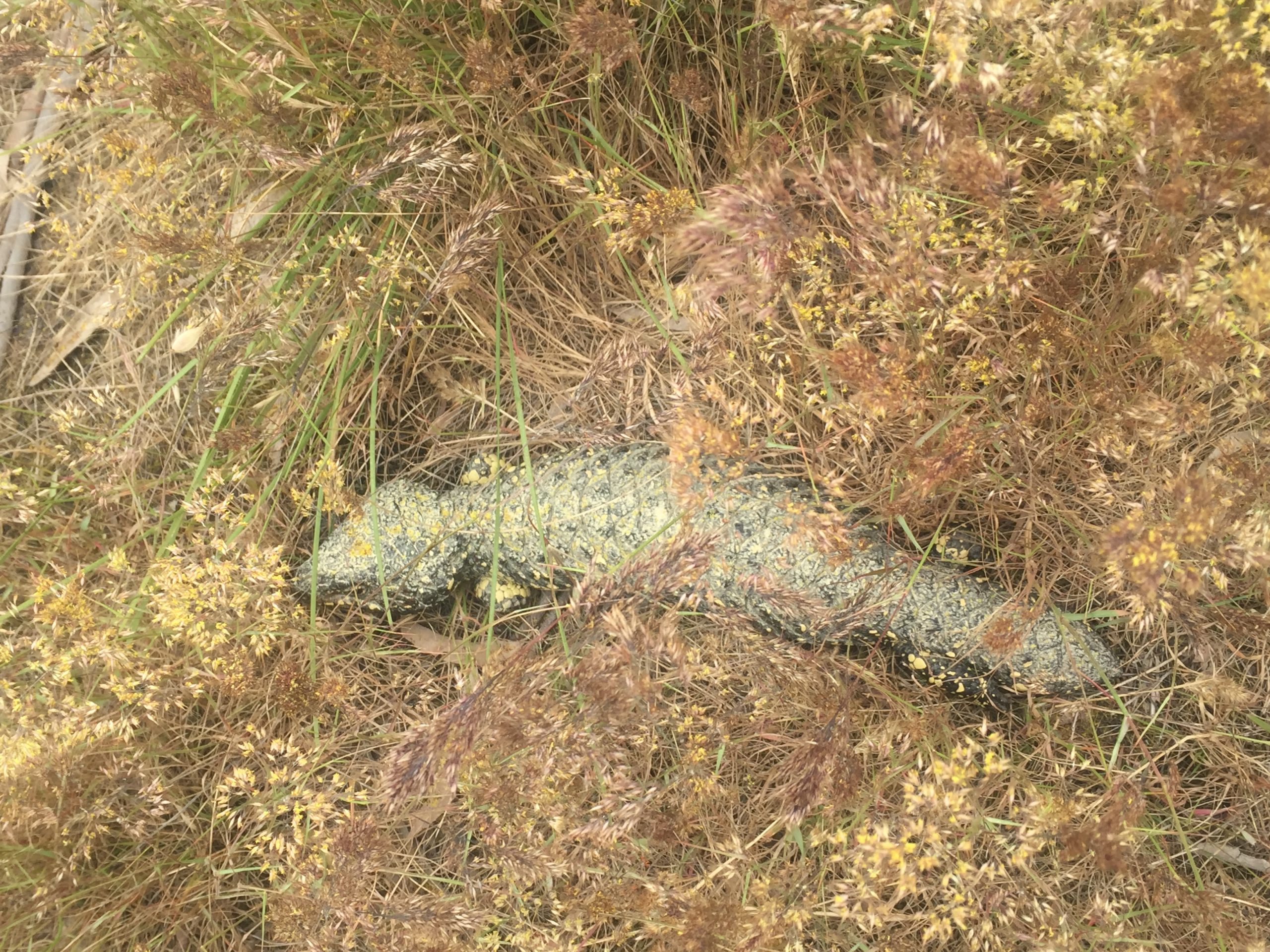
- a stumpy tail completely dusted with grass pollen
-
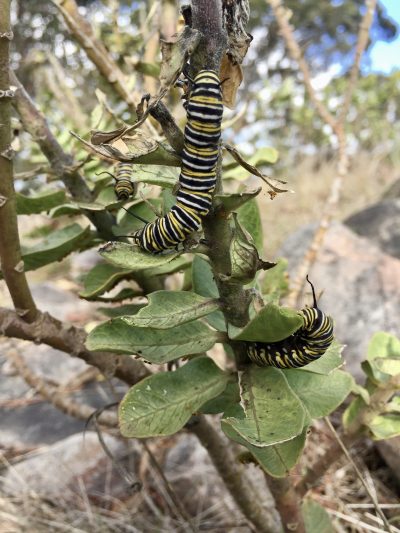
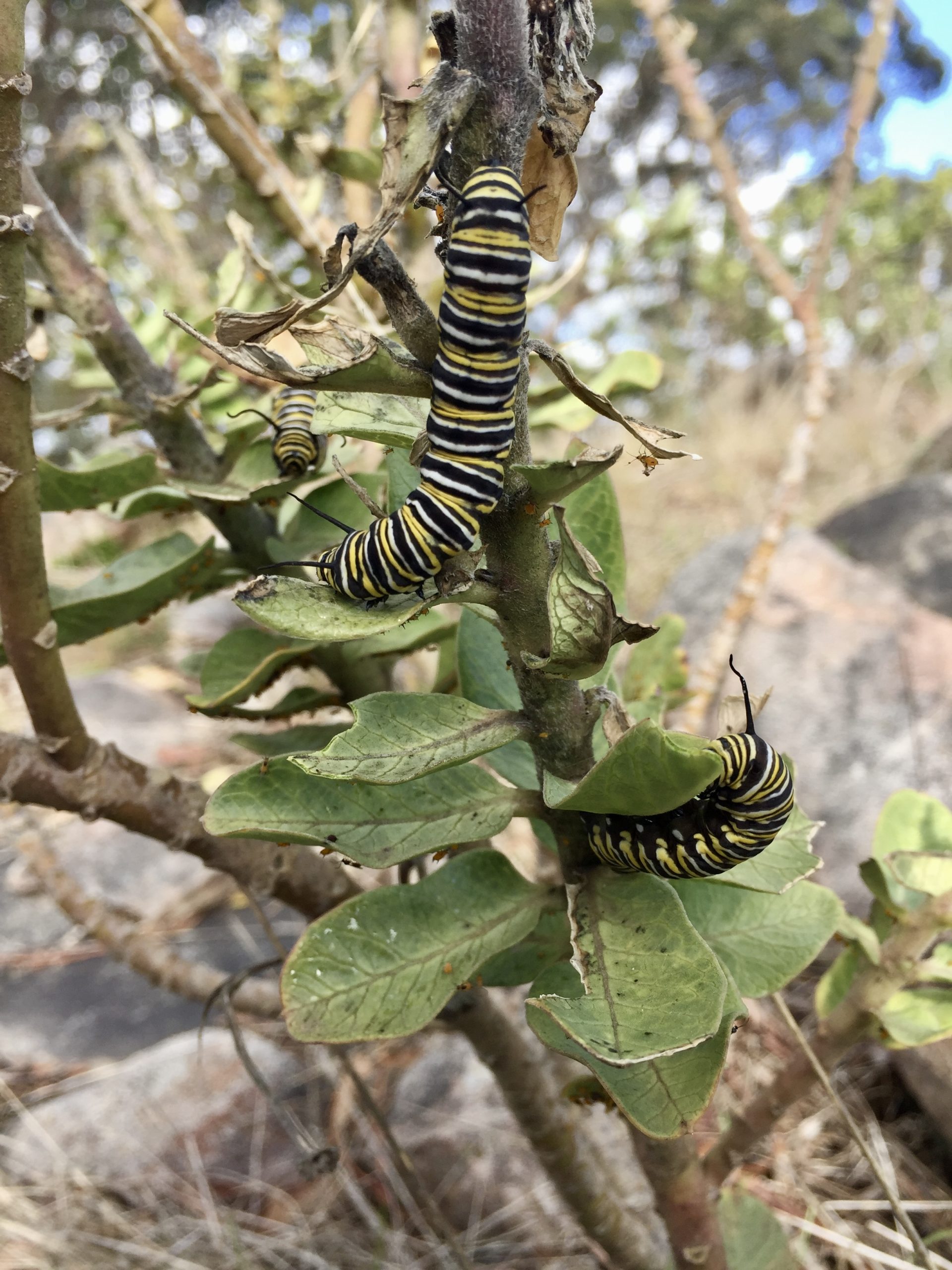
- These striped caterpillars will metamorphose into monarch butterflies.
-
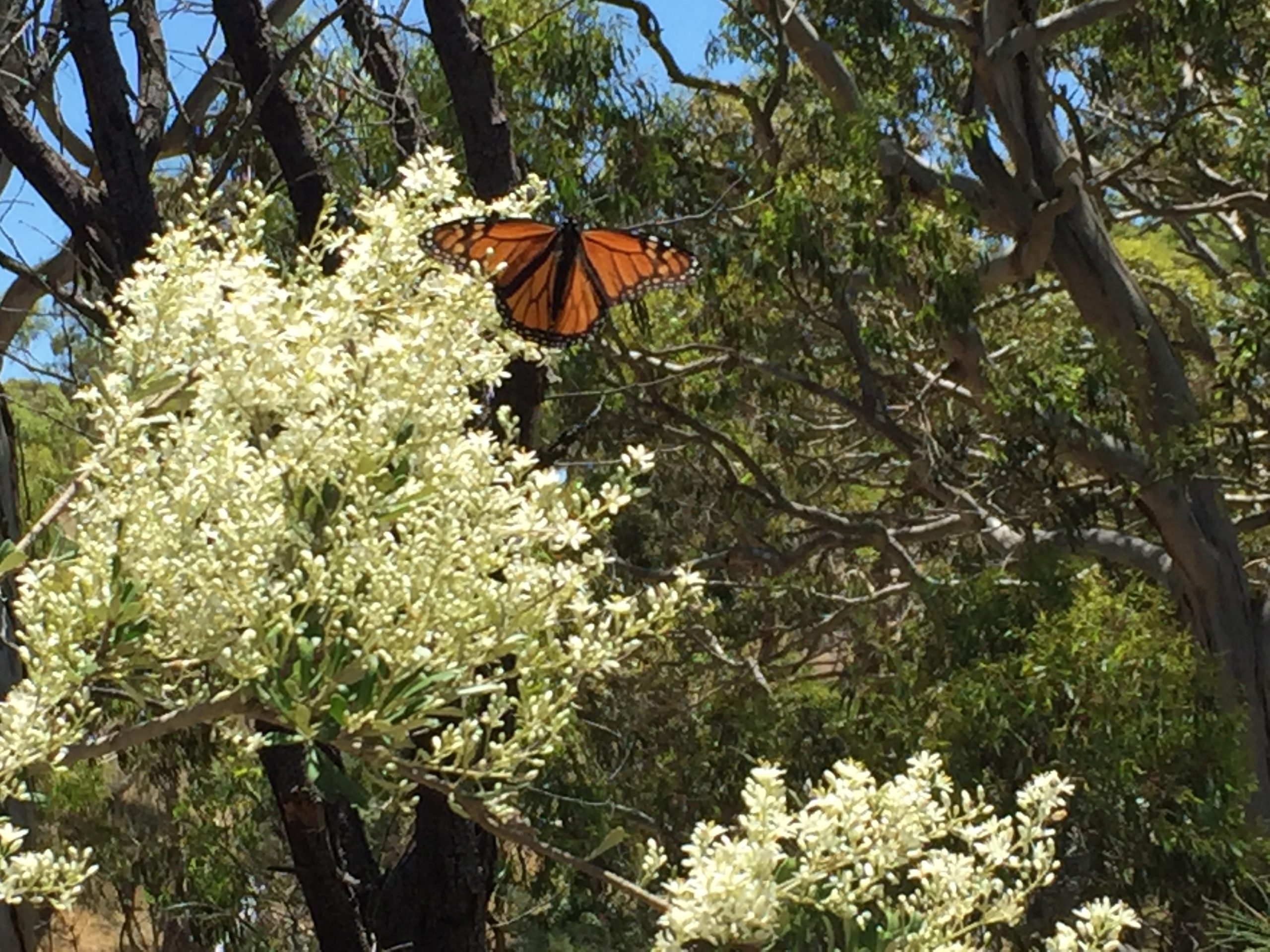
- Monarch butterflies feast on Bursaria in summer.
-
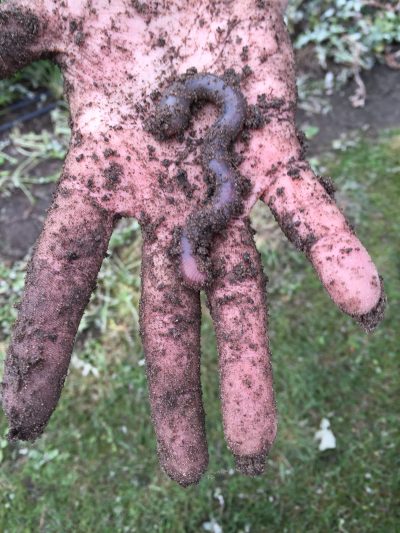
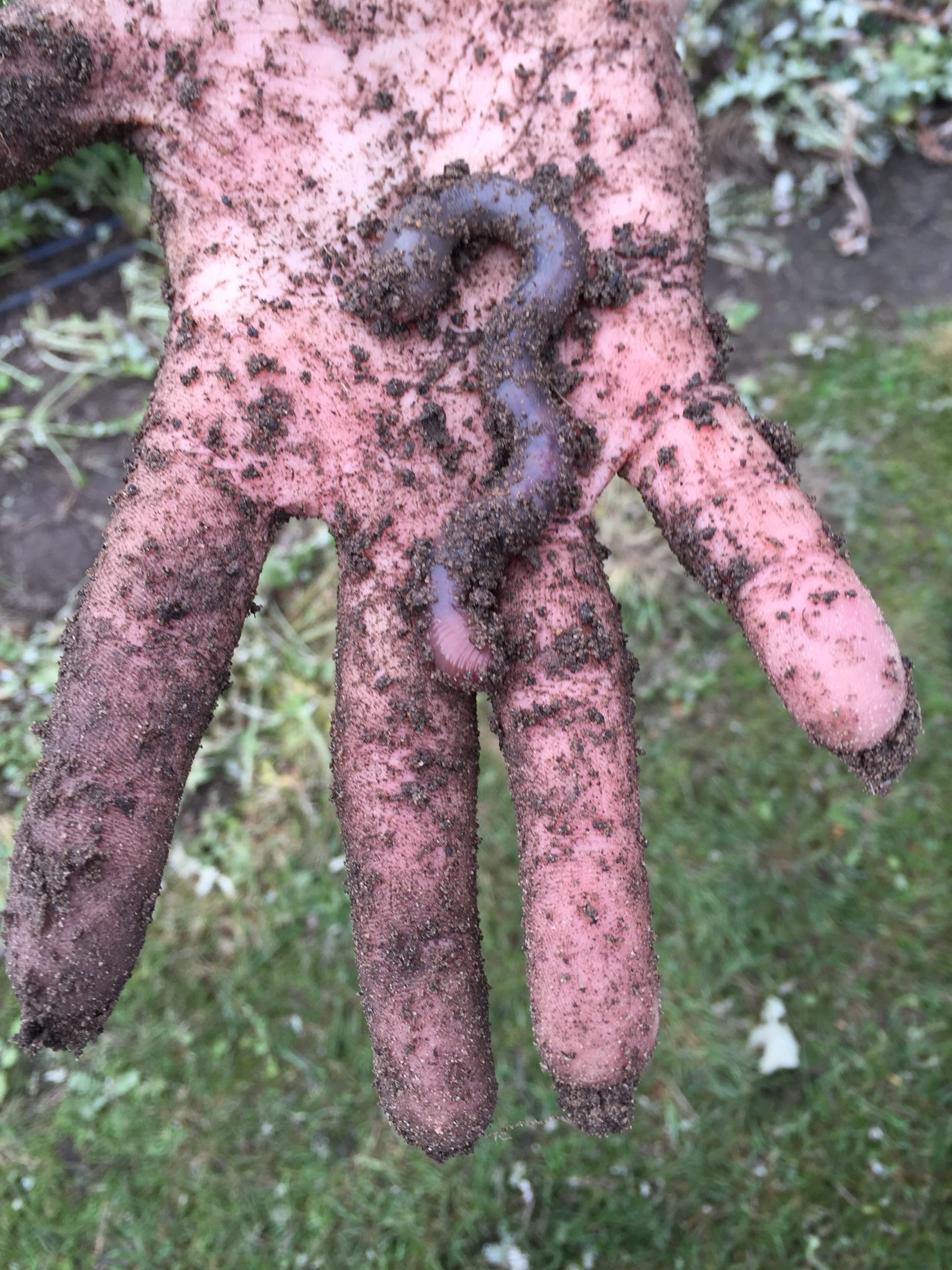
- giant Mt Lofty earthworms can grow to nearly a metre – this one’s a baby.
-
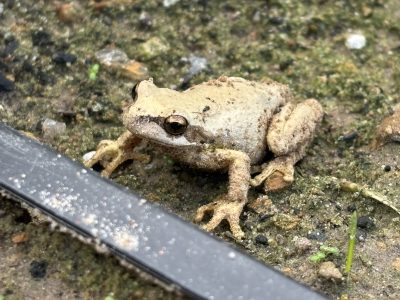
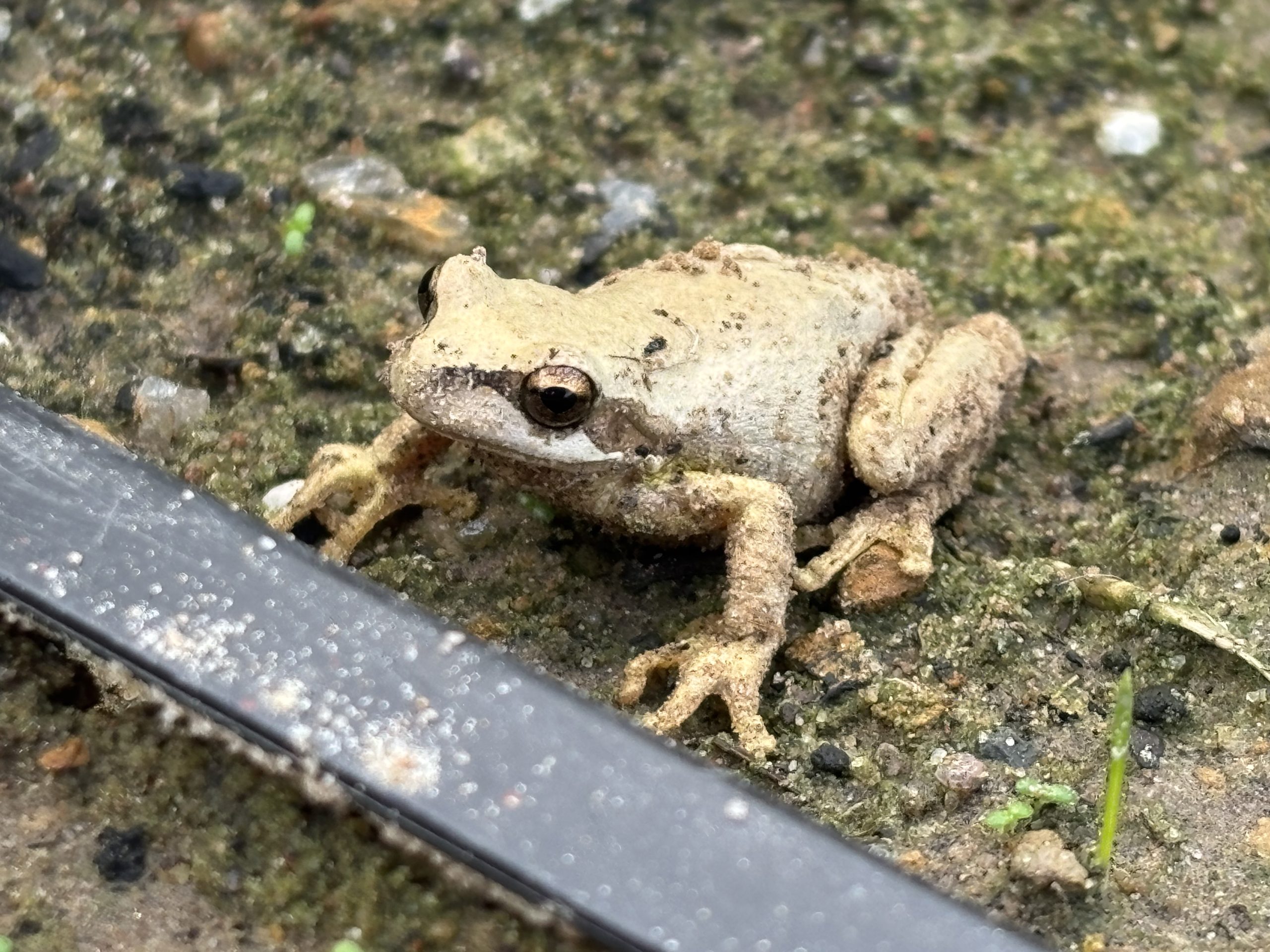
- The brown tree frog is the only tree frog native to our area.
-
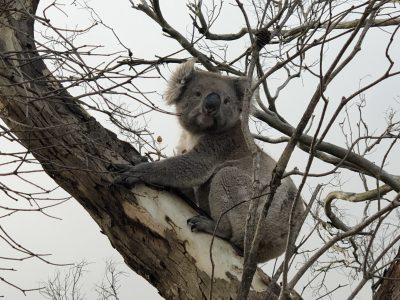
- The Cudlee Creek bushfire affected food sources for many animals.
-
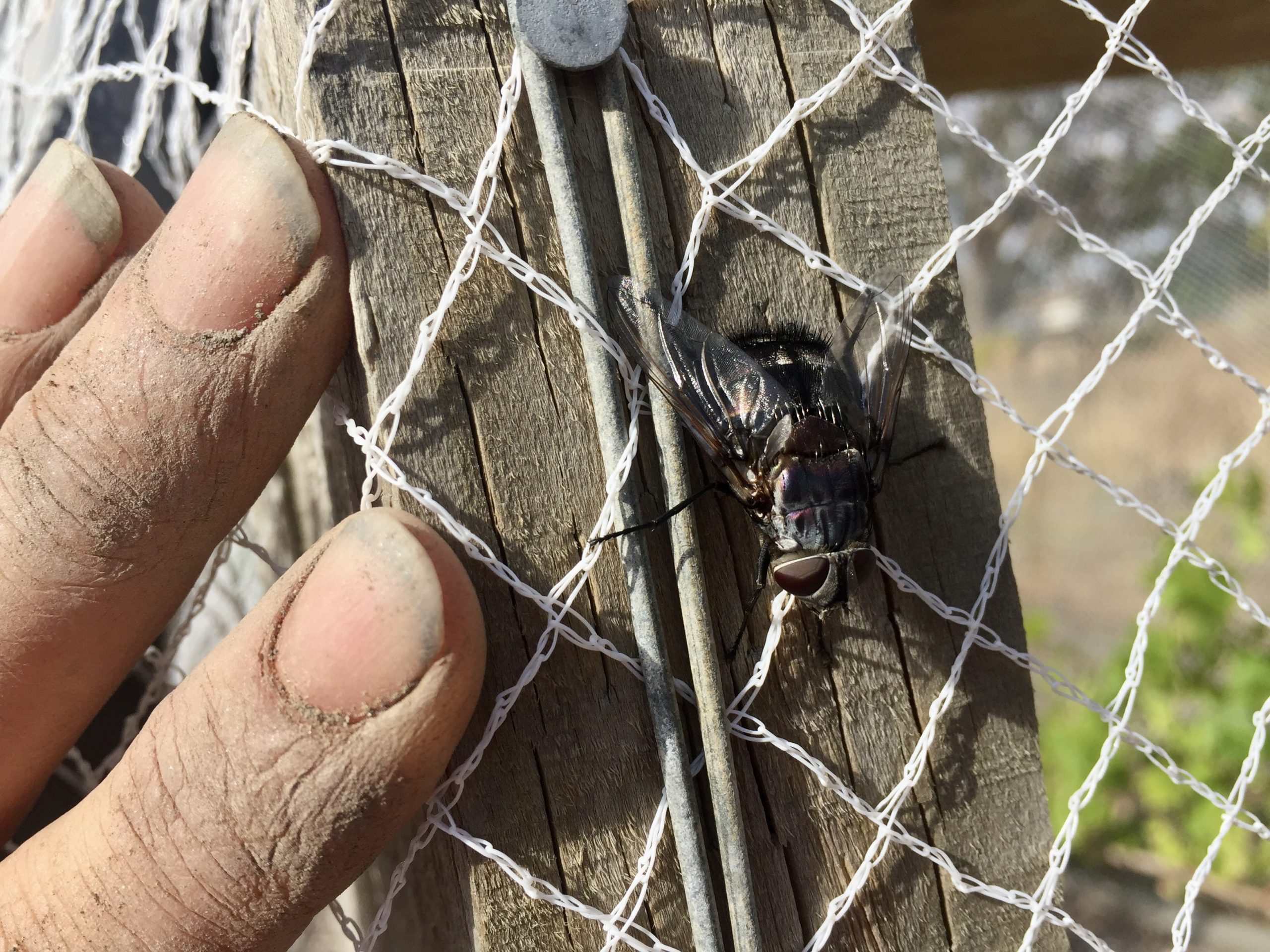
- another giant – a hairy fly bigger than a fingernail
-
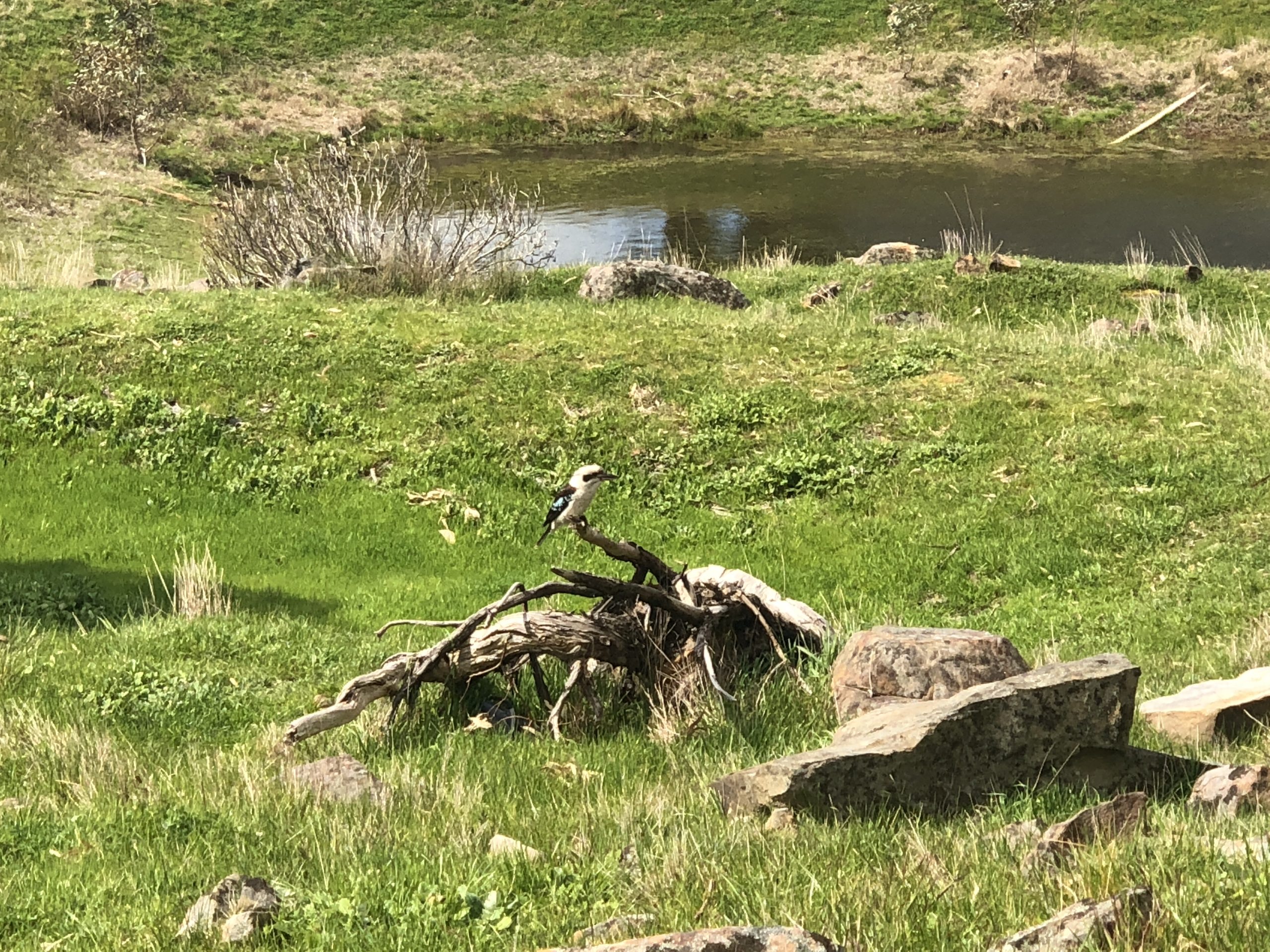
- laughing kookaburras pair for life and have strong family groups
-
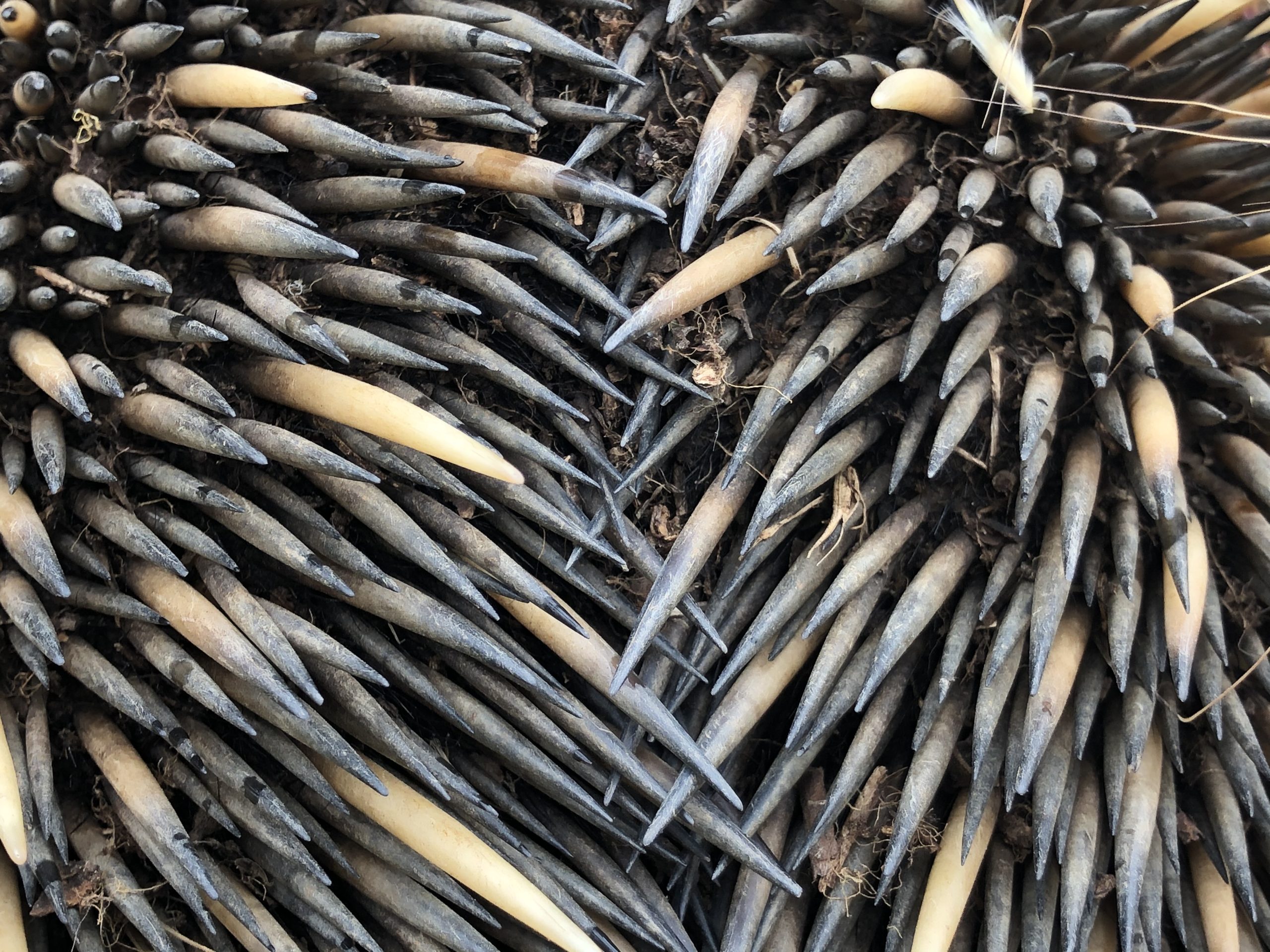
- Echidnas have extremely effective defences
-
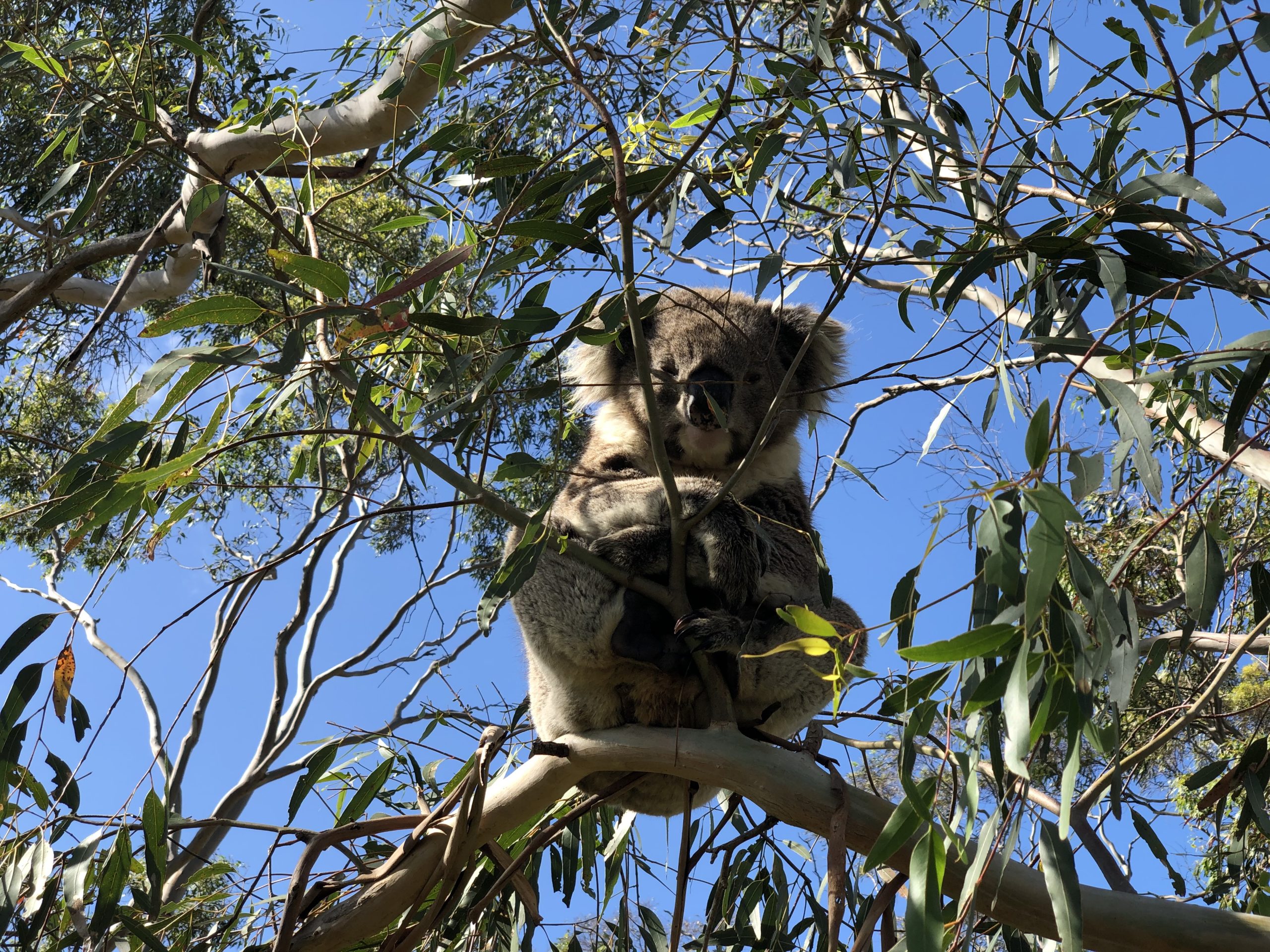
- Koalas are recovering after taking a hit in the wake of the Cudlee Creek bushfire.
-
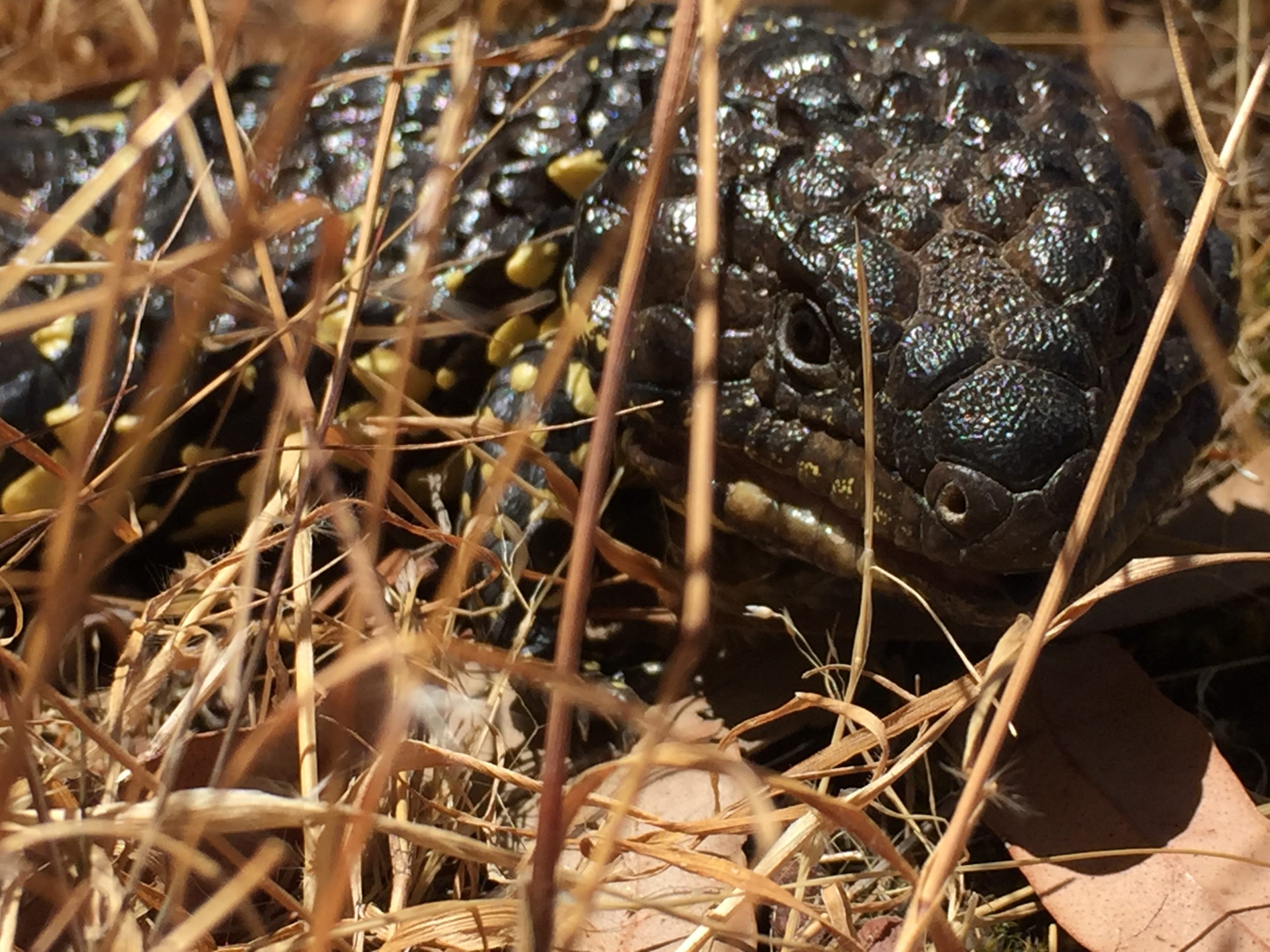
- stumpy tails, shingleback, sleepy lizards – all the same!
-
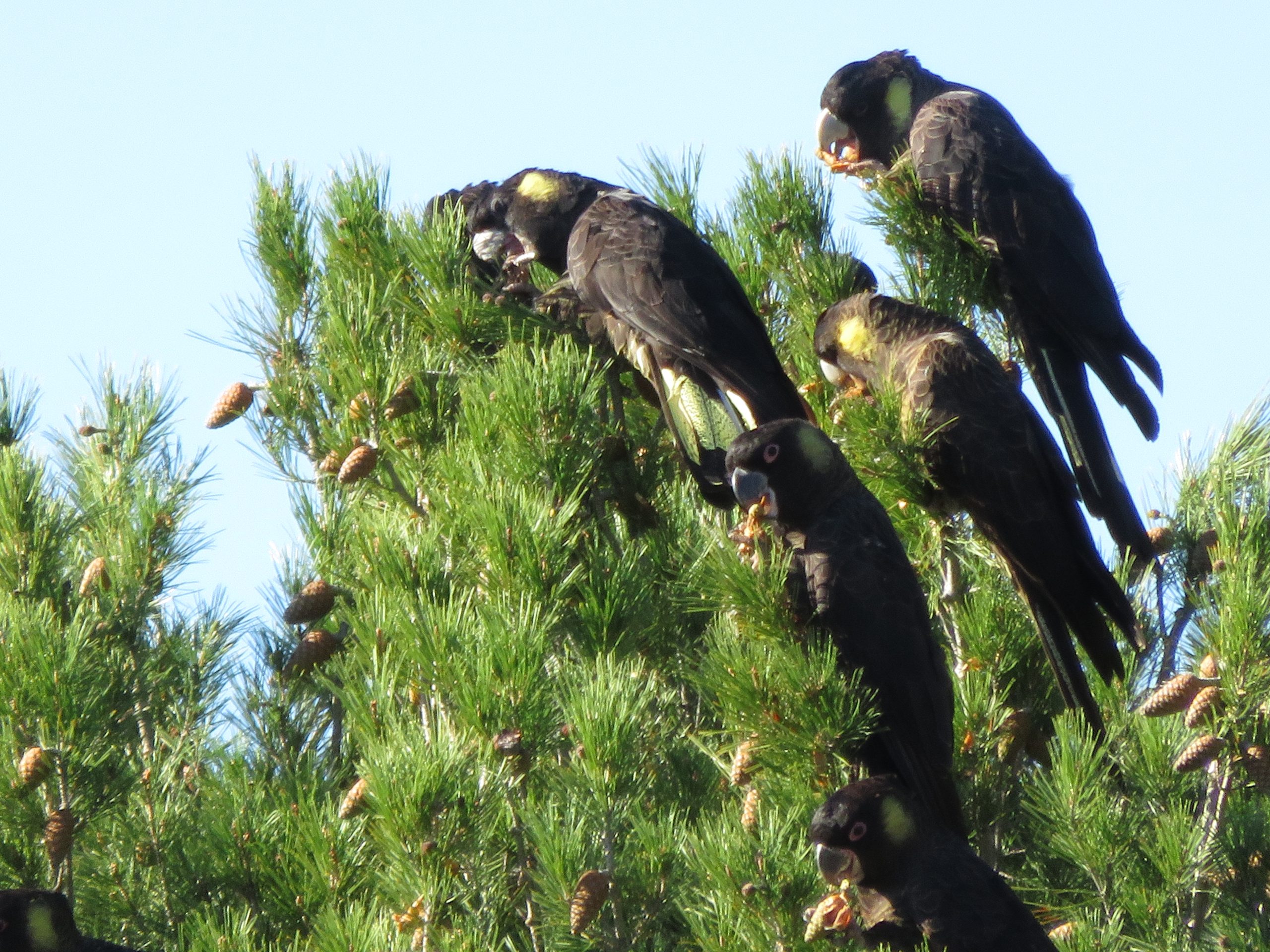
- yellow tailed black cockatoos are fond of pine nuts and hakeas.
-
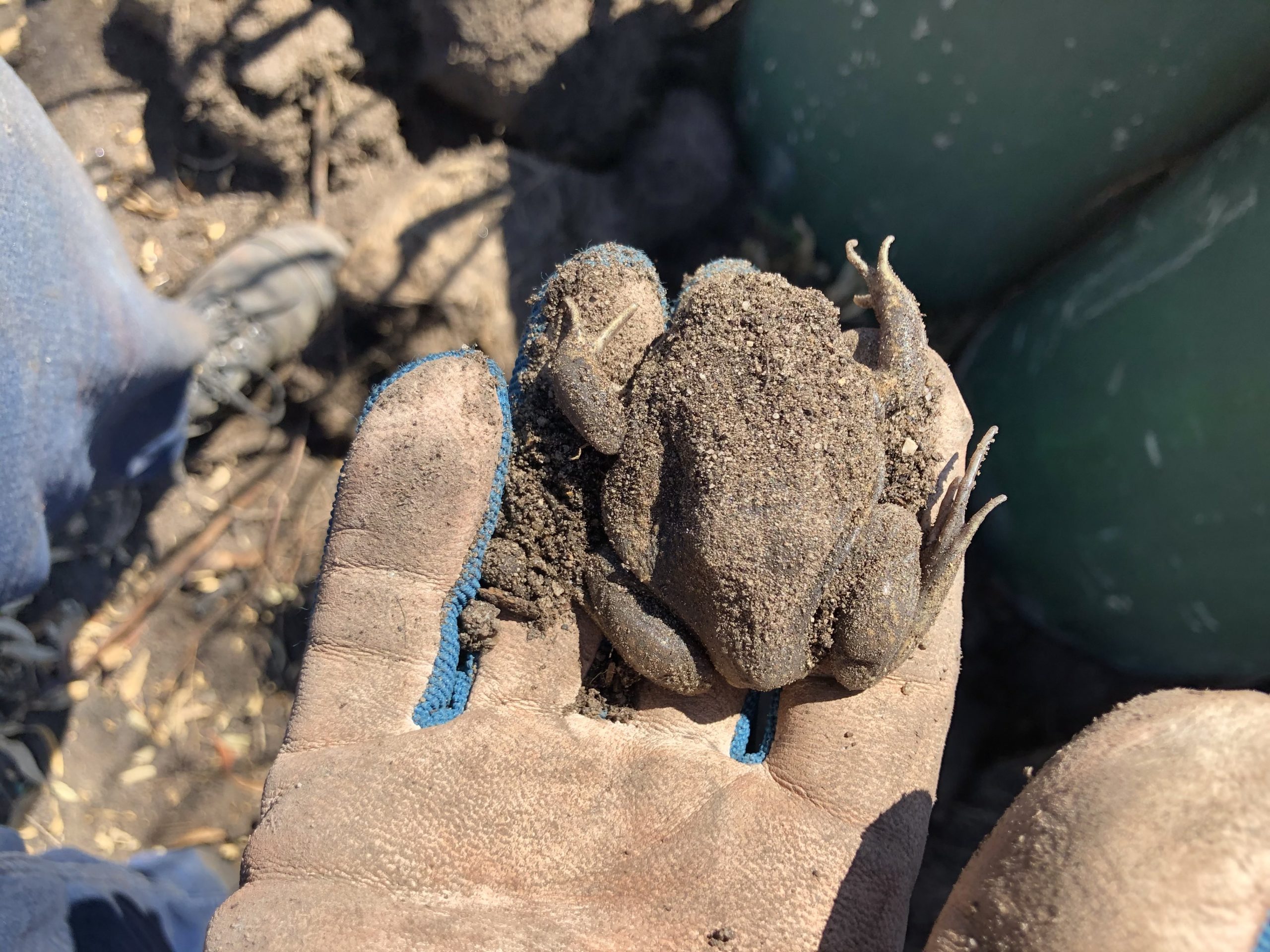
- Known for burrowing, Eastern Banjo frogs can get to 90mm.
-
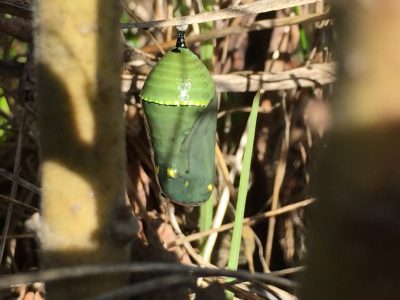
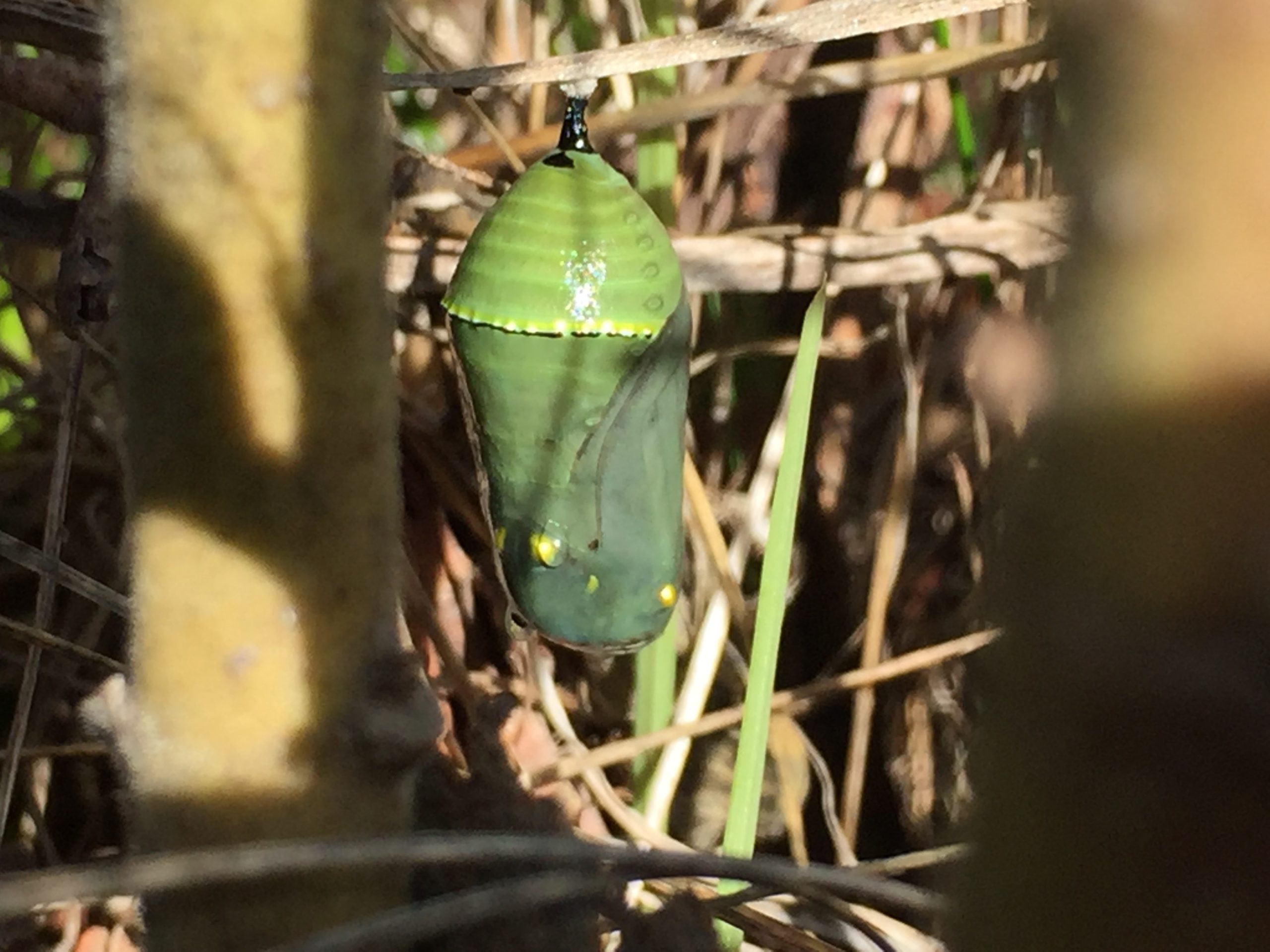
- Monarch butterflies produce a jade green, domed chrysalis around 30mm to 40mm long
-
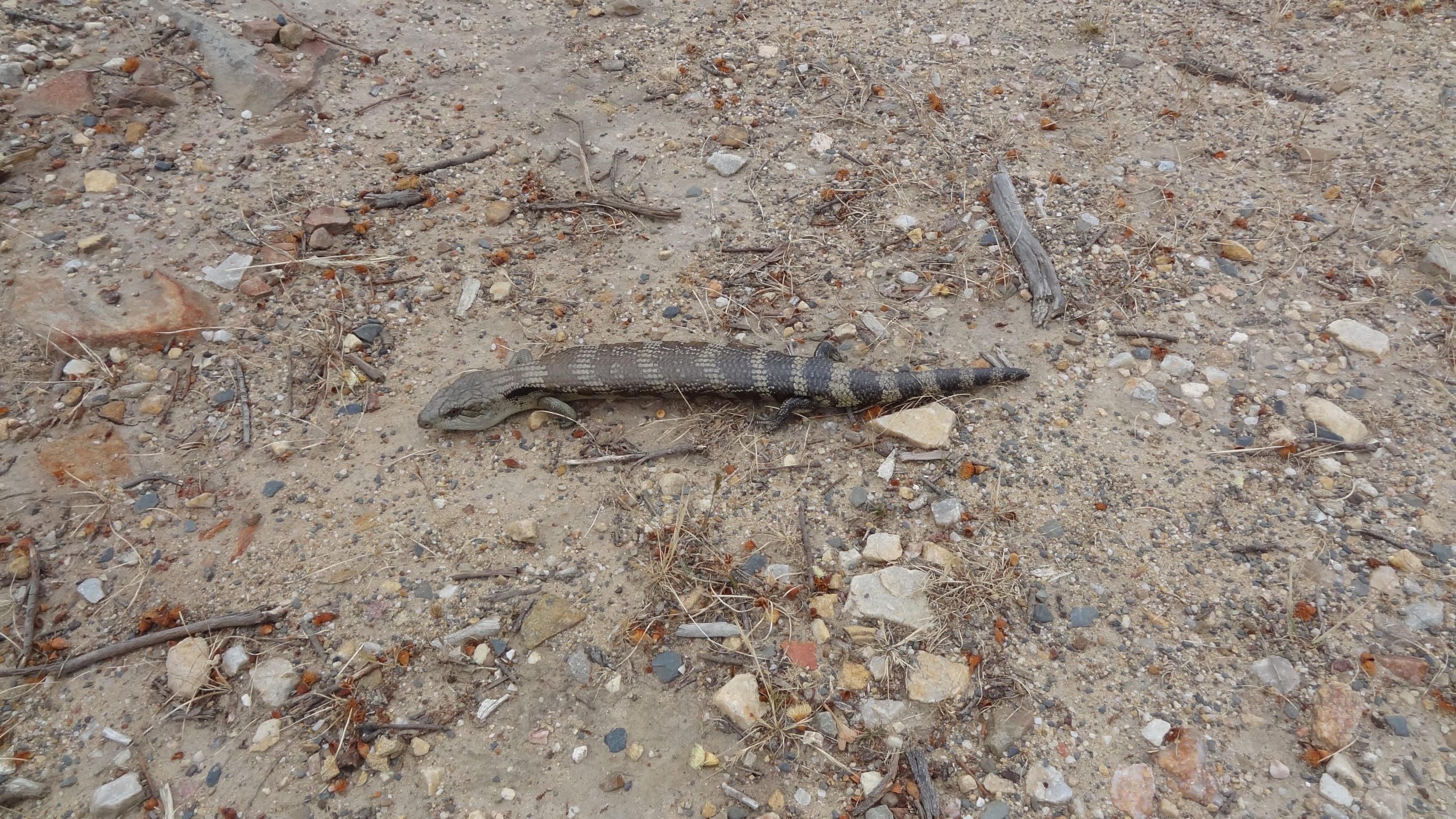
- blue tongue lizards have a sleek body with buff stripes
-
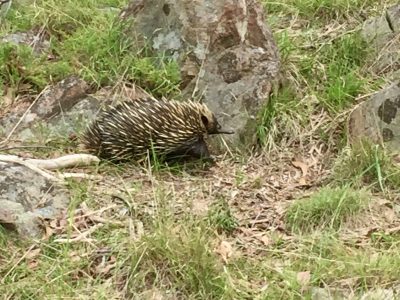
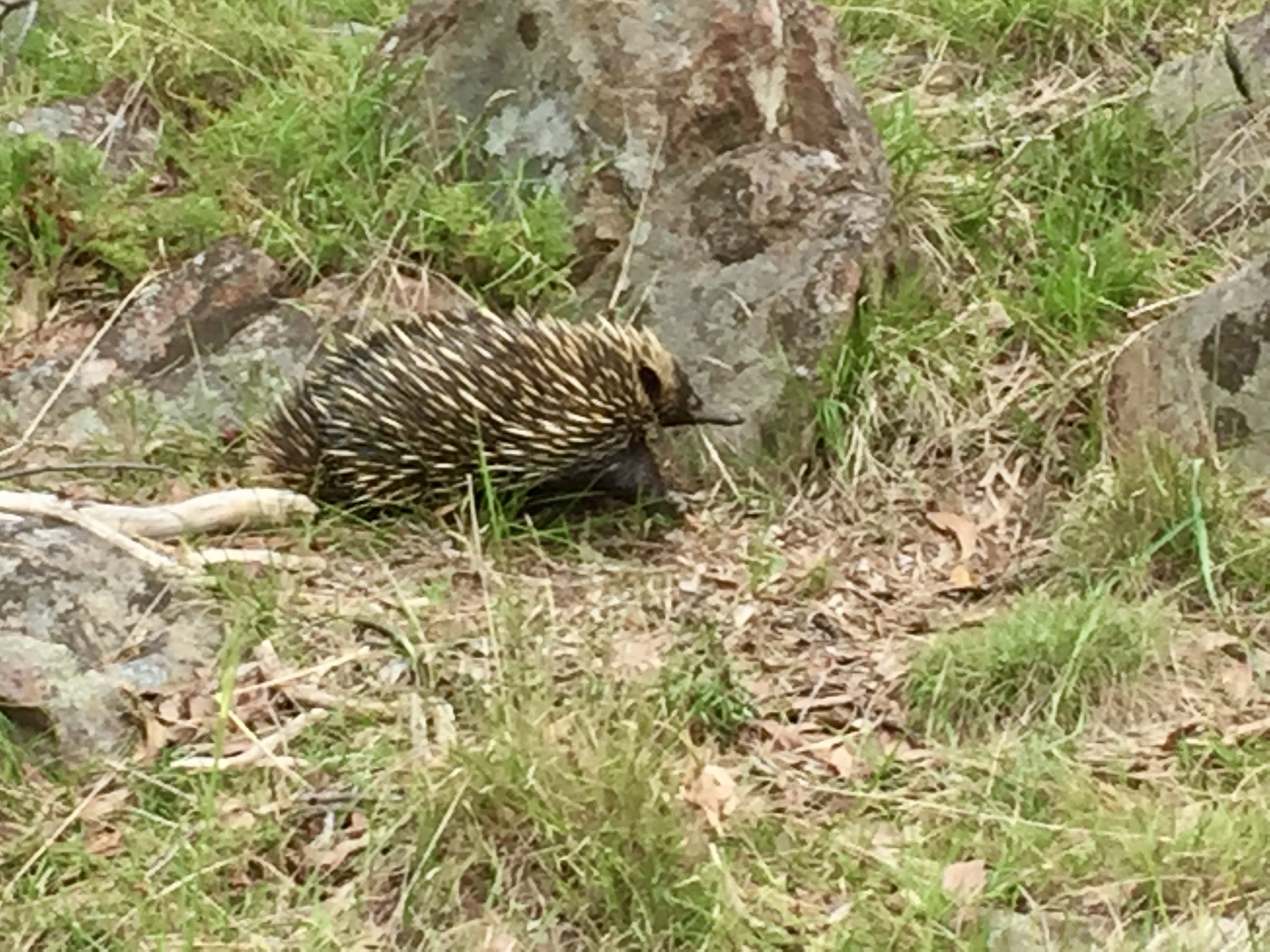
- An echidna searching for its favourite food – ants.
Tree Seeding Workshop
New Springs Landcare Group is the custodian of a purpose-built tree seeder.
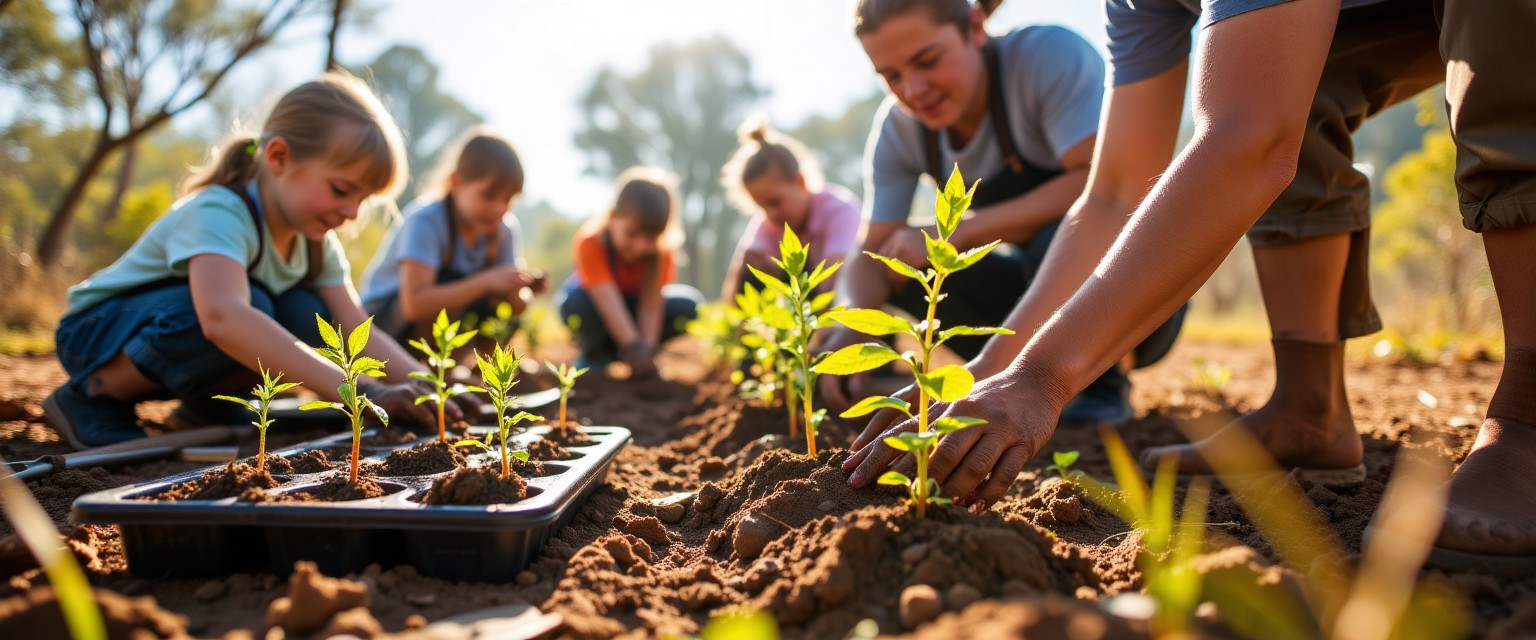
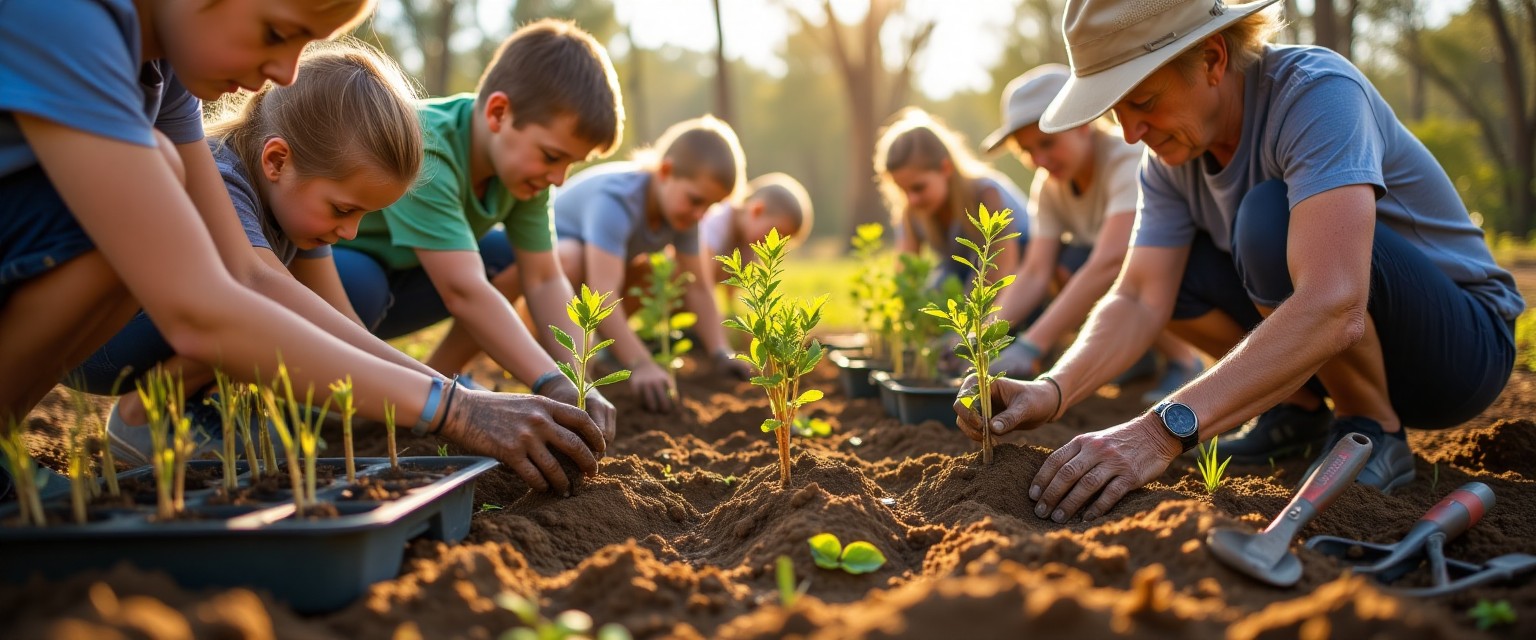
Direct seeding has a range of benefits – trees tend to thrive faster than seedlings or more mature transplants. It’s also a good way of planting a mix of species and can achieve a more natural result.
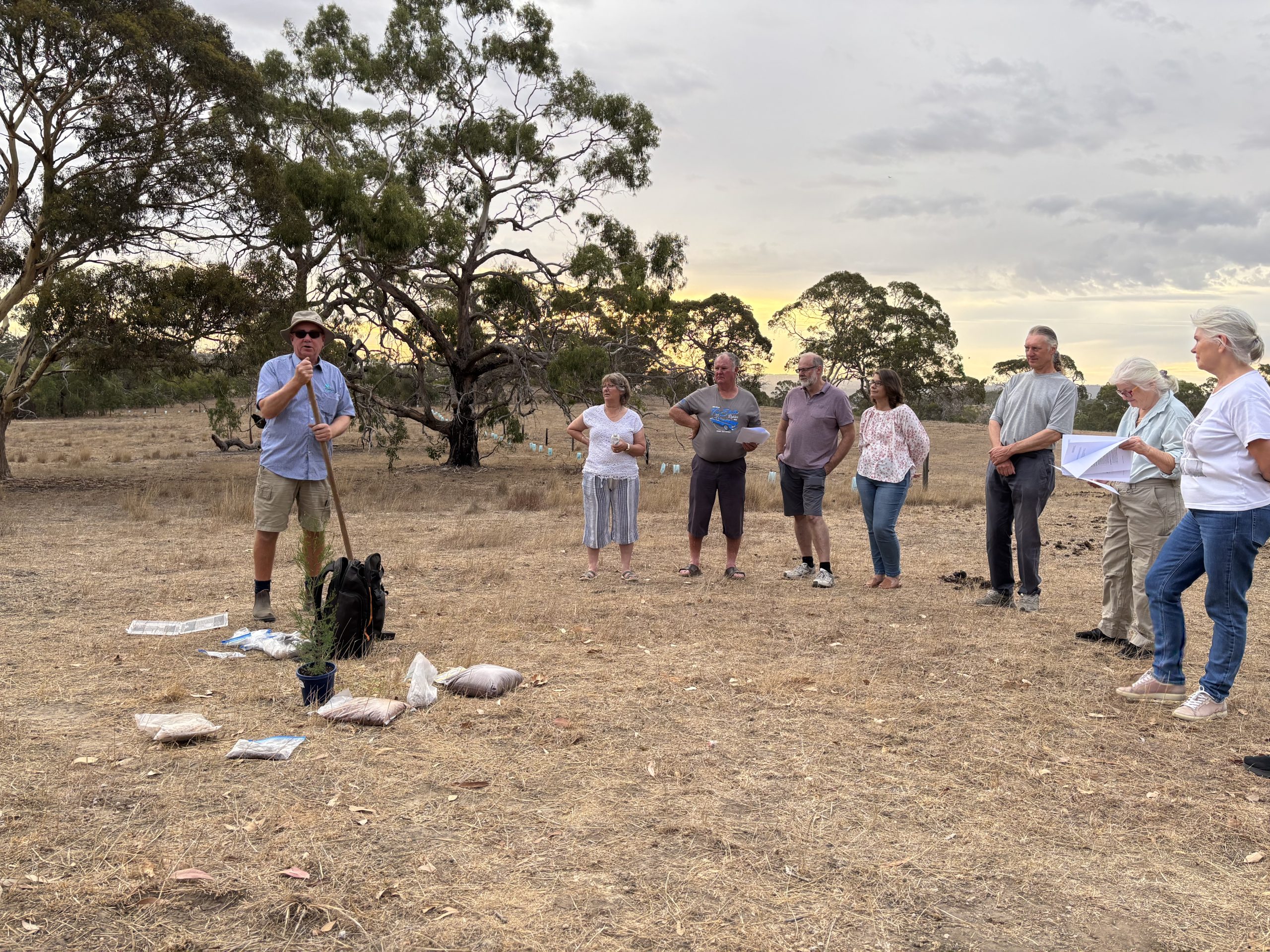
The group was given a demonstration of just how easy it is to use, courtesy of local expert Wayne Brown.
-
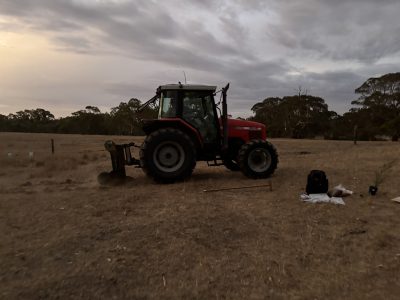
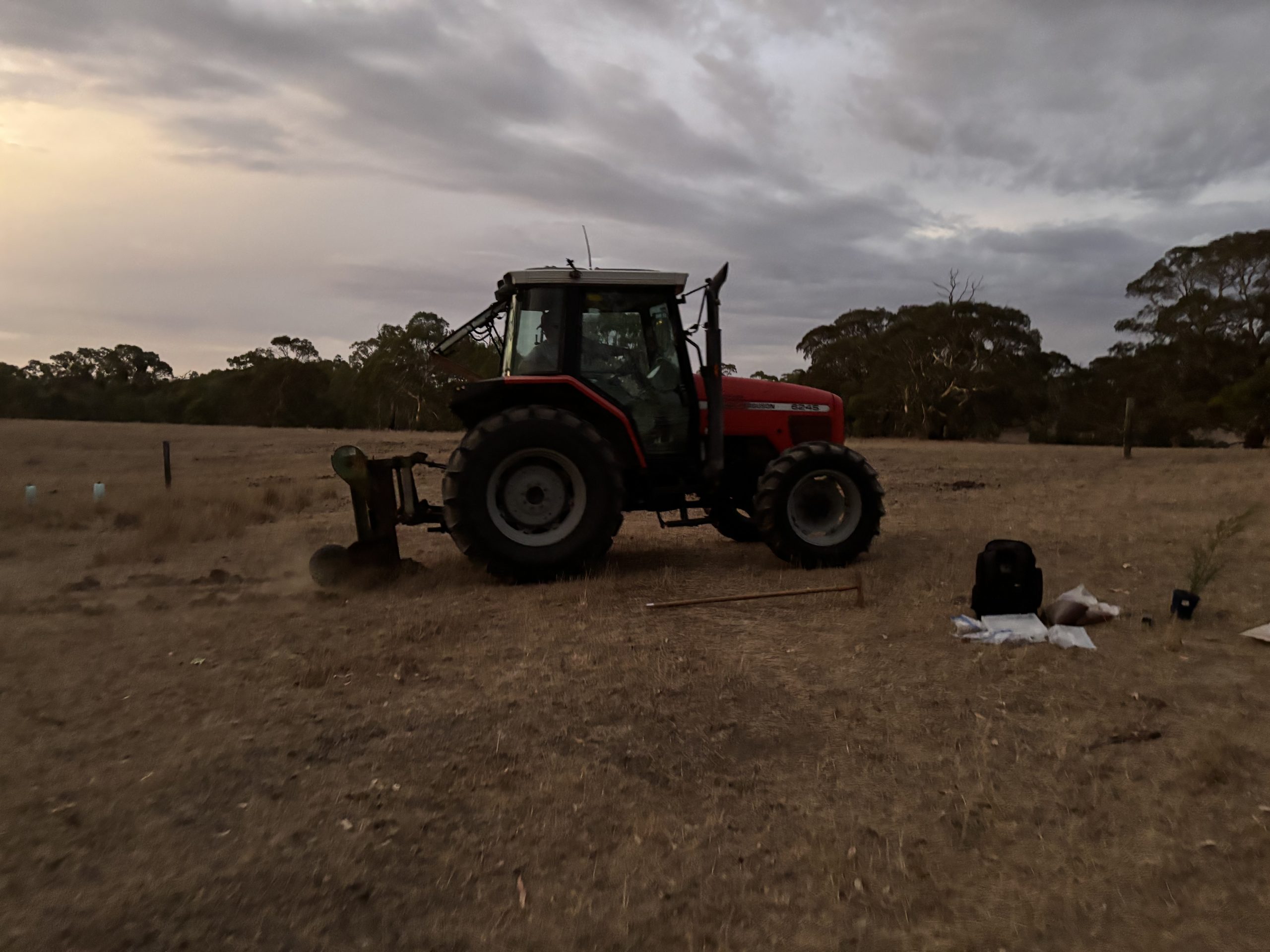
- Getting seeding underway
-
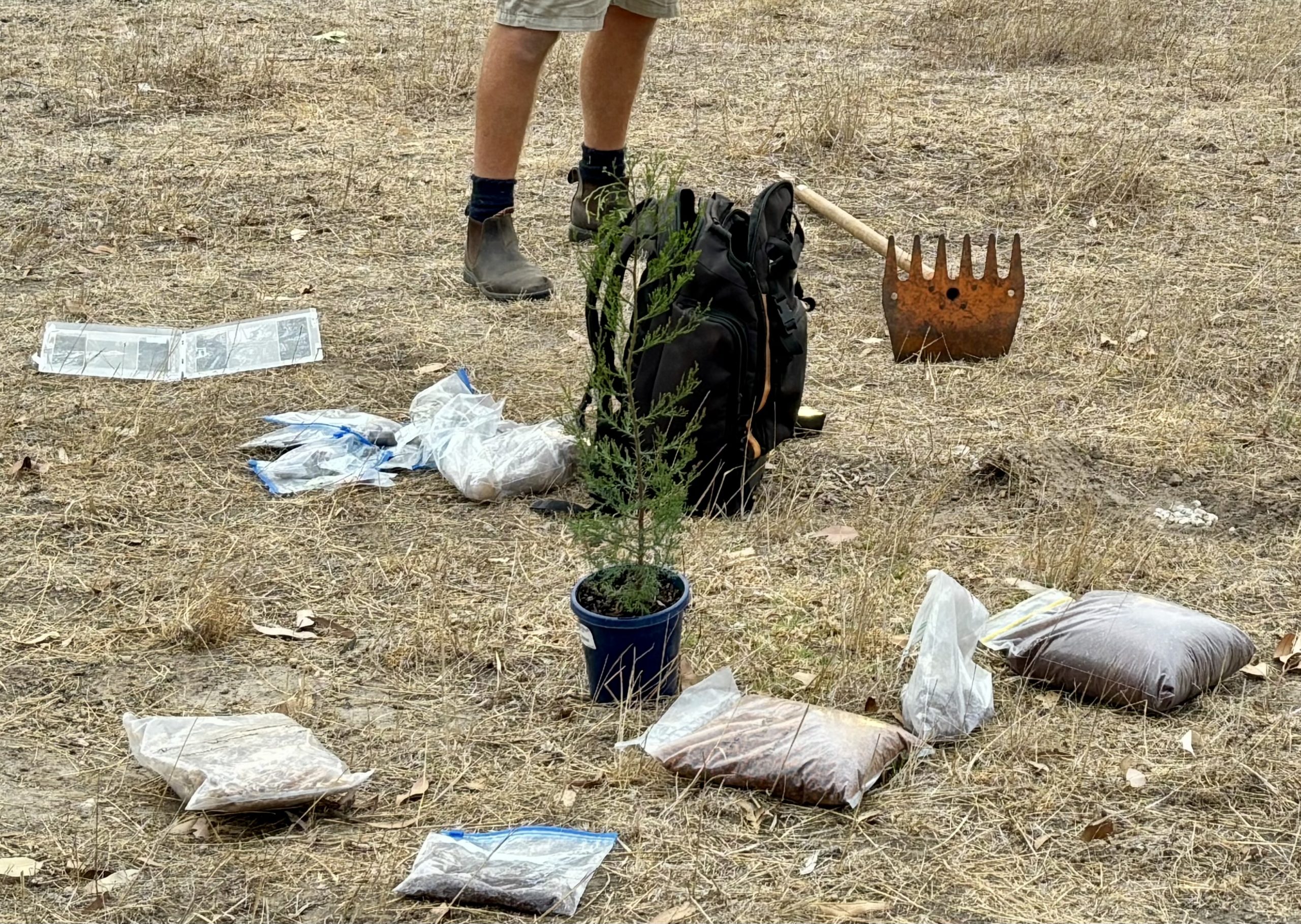
- A range of seeds can be used
-
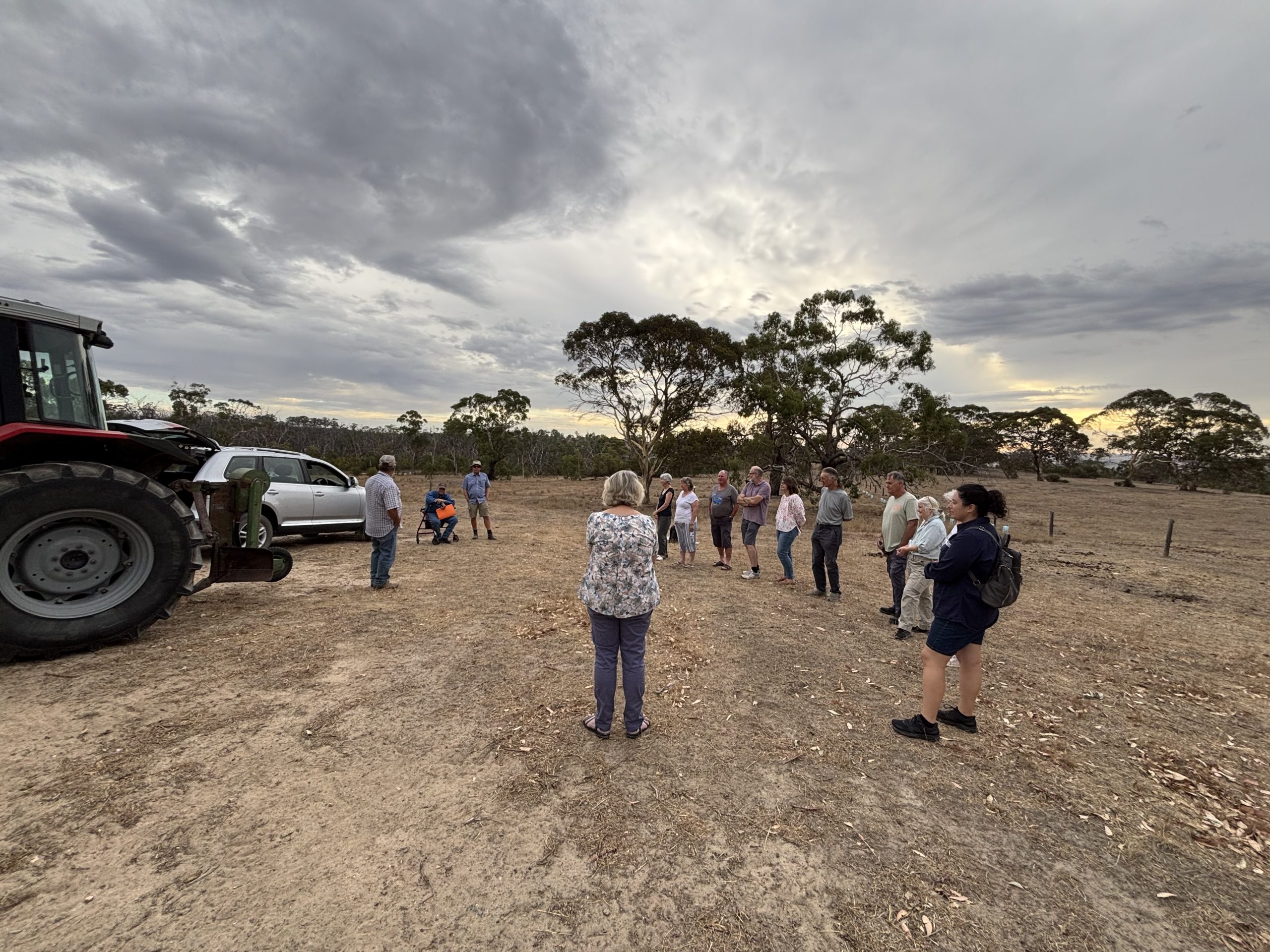
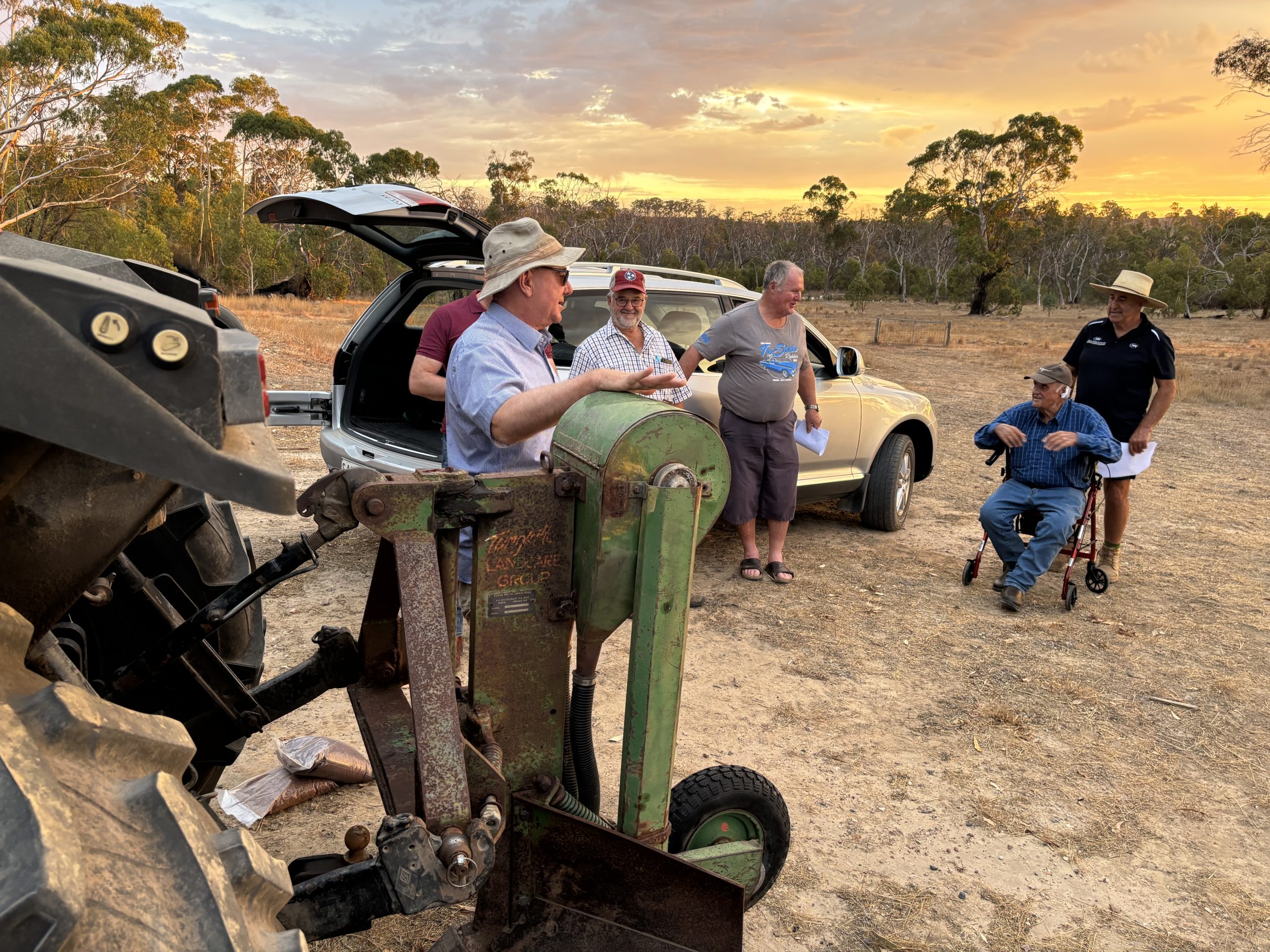
- Alan Brice (seated) explaining tree seedings done 30 years ago
-
- The seeder (pre renovation!)
-
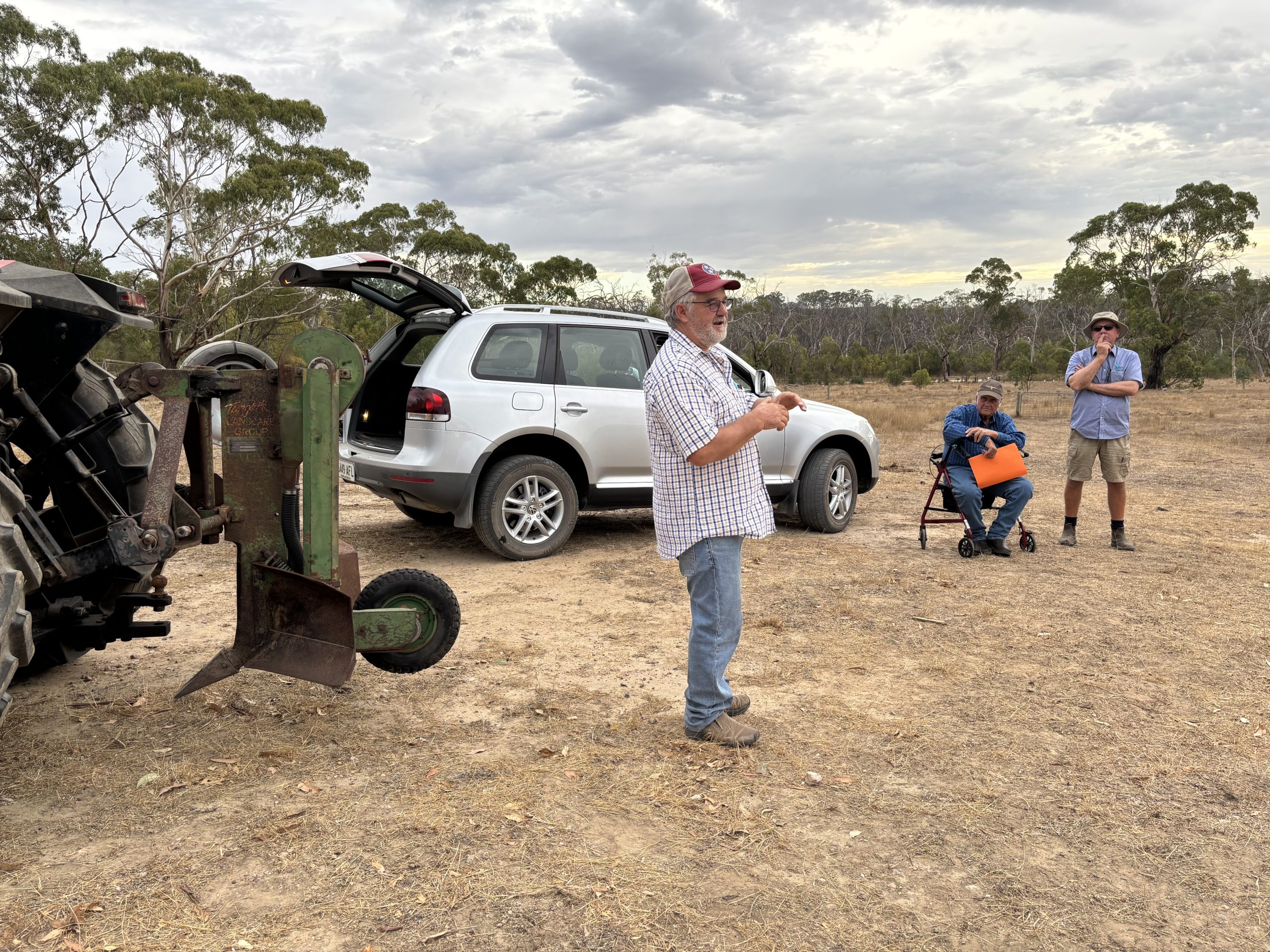
- New Springs Chair Kym Gladigau welcoming members to the seeder demonstration
-
- Local expert Wayne Brown discussed pre-seeding planning and prep
Edwards’ Tungkillo property visit
On a gorgeous autumnal April morning New Springs members visit the Kersbrook Landcare Group nursery followed by a field trip to Paul and Michelle Edwards’ farm at Tungkillo.
KLG’s long standing commitment is absolutely inspiring – from seed collection and storage, to propagation and maintenance, to sales – their nursery initiative is helping to preserve and extend locally sourced native plant species. More information can be found at kersbrook.landcaregroup.org.au.
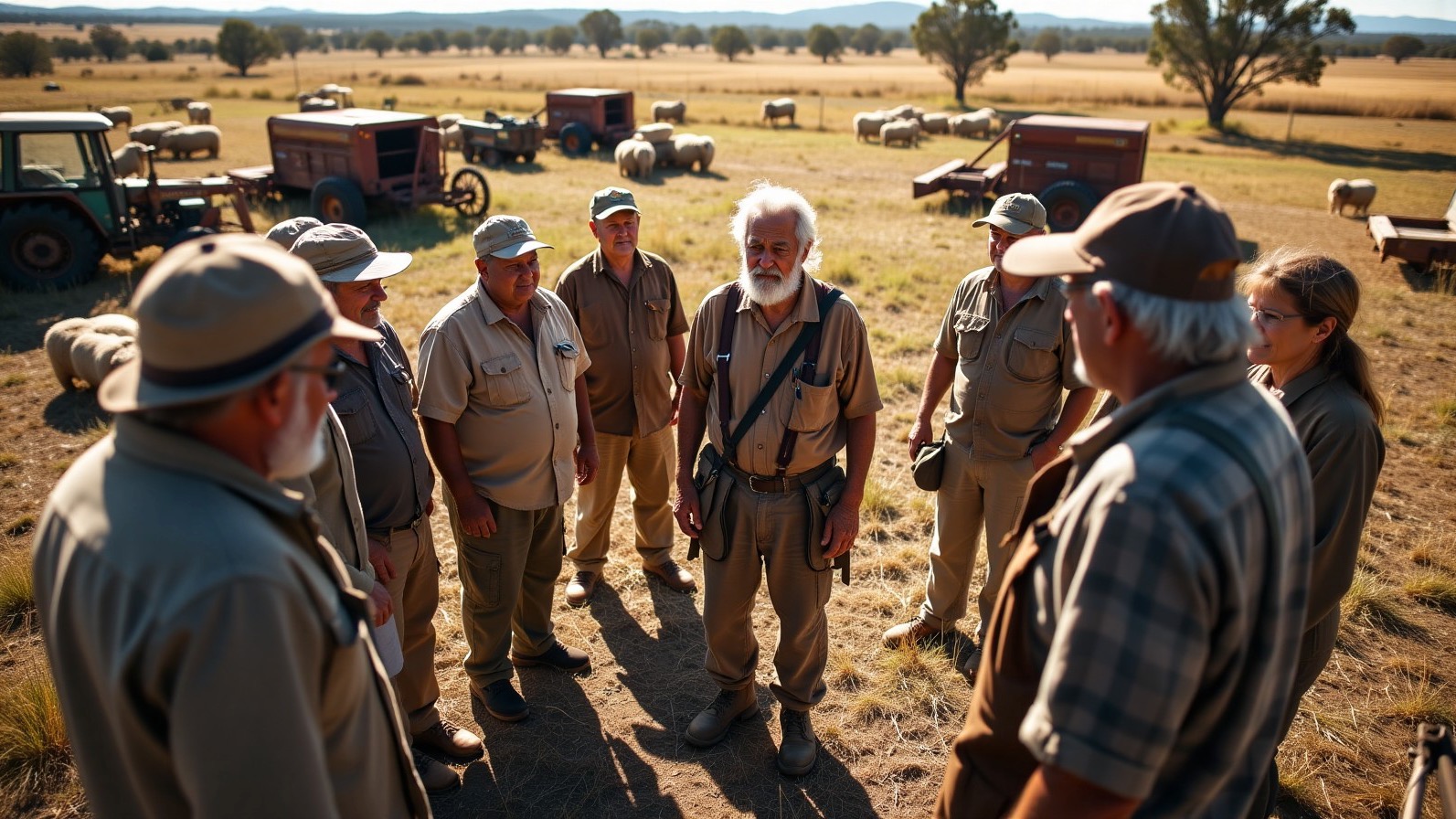
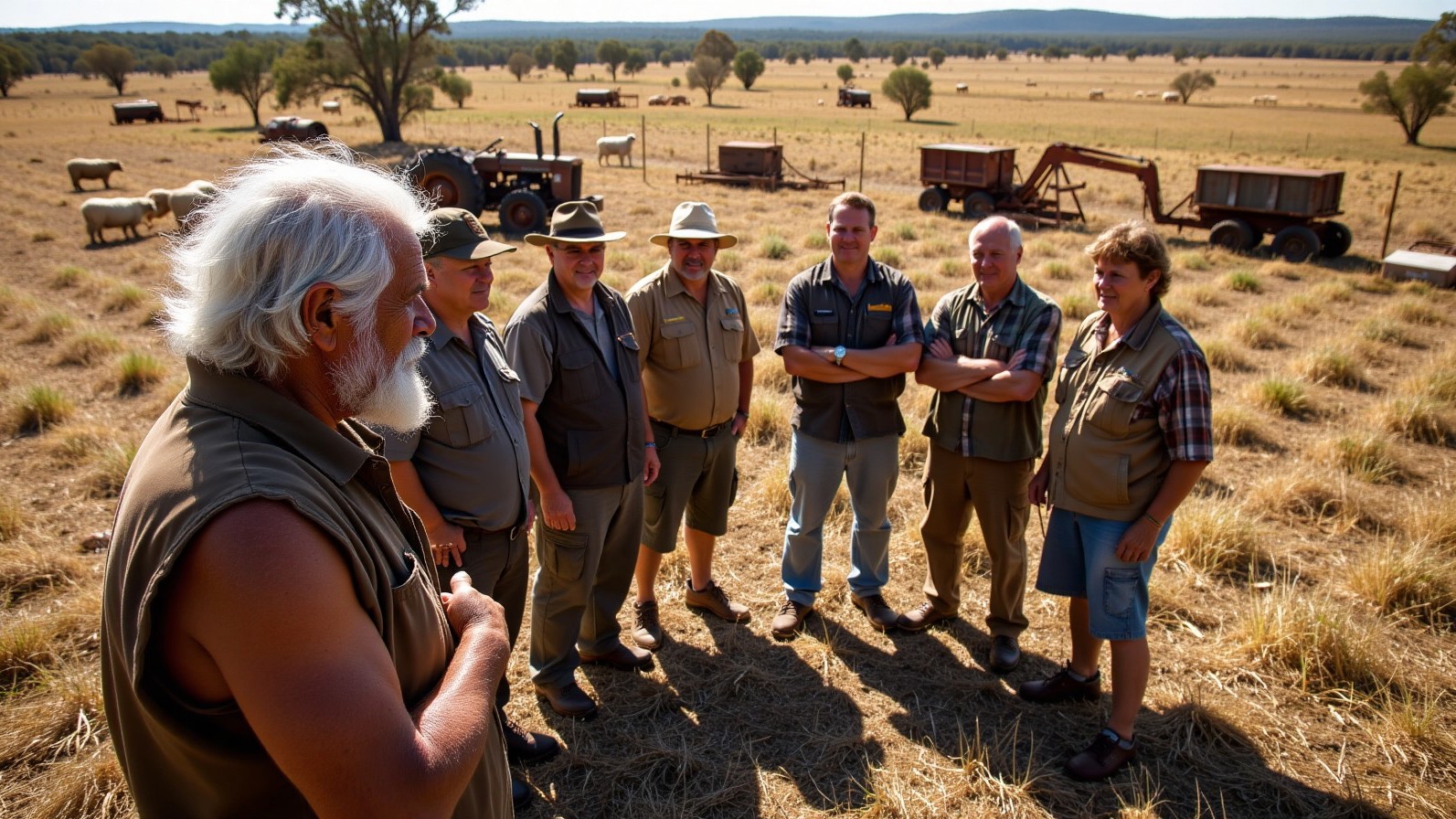
Paul and Michelle Edwards were formerly members of the now defunct Tungkillo Landcare Group (ed. update – Paul and Michelle joined NSLG in 2025). They hosted our fledgling New Springs Group on a property-wide tour to see revegetated areas, weed control, water management and erosion reduction projects.
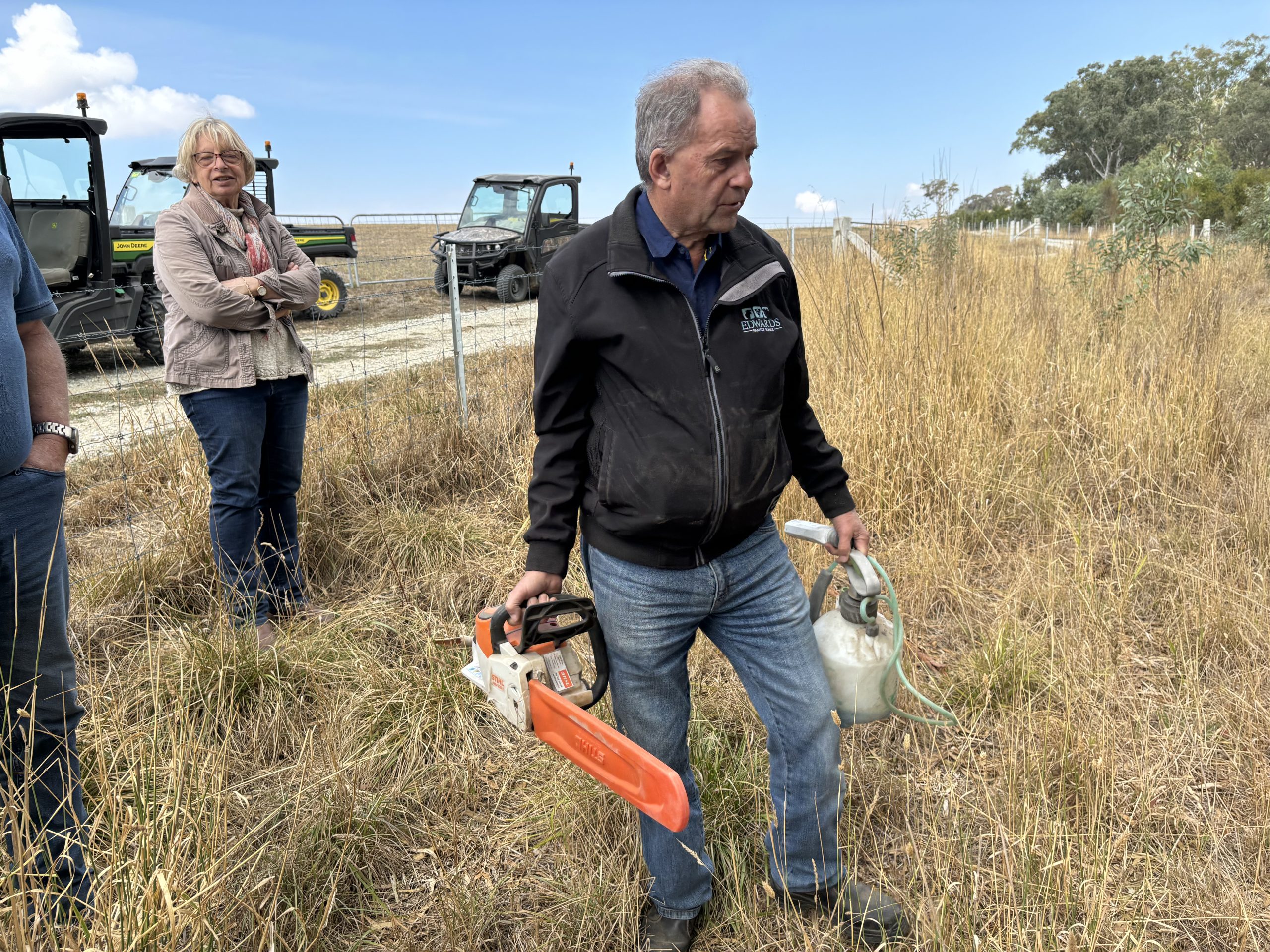
Paul provided a hands on demonstration of weed species identification and different eradication techniques, from selective herbicide, cut and swab, chainsaw and burn, to total removal.
A bang-up lunch in their shearers quarters was the perfect end to a fantastic day!
-
- Paul about to demonstrate a woody weed cut and swab process
-
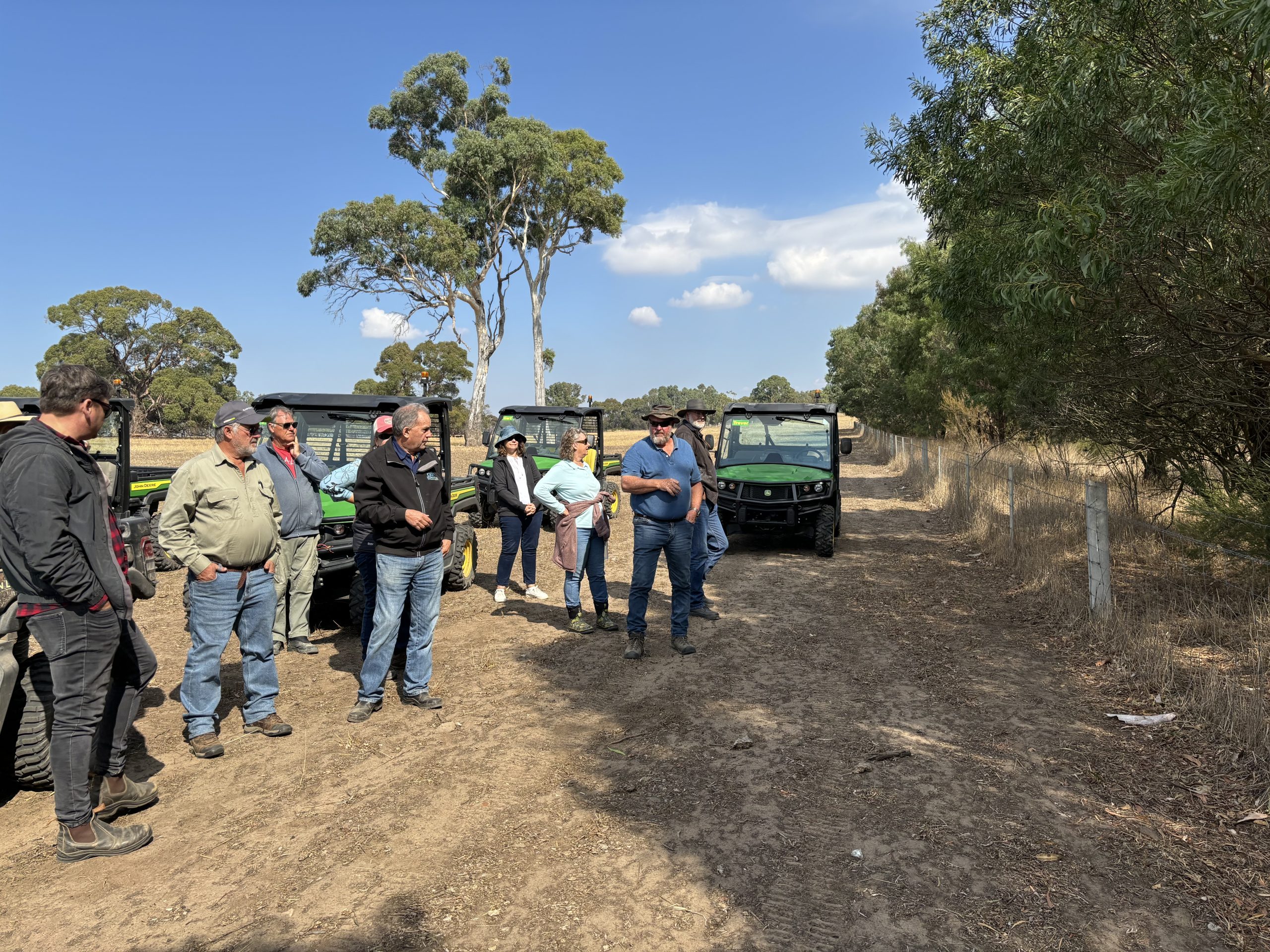
- A great turnout for the tour of Paul and Michelle’s place
-
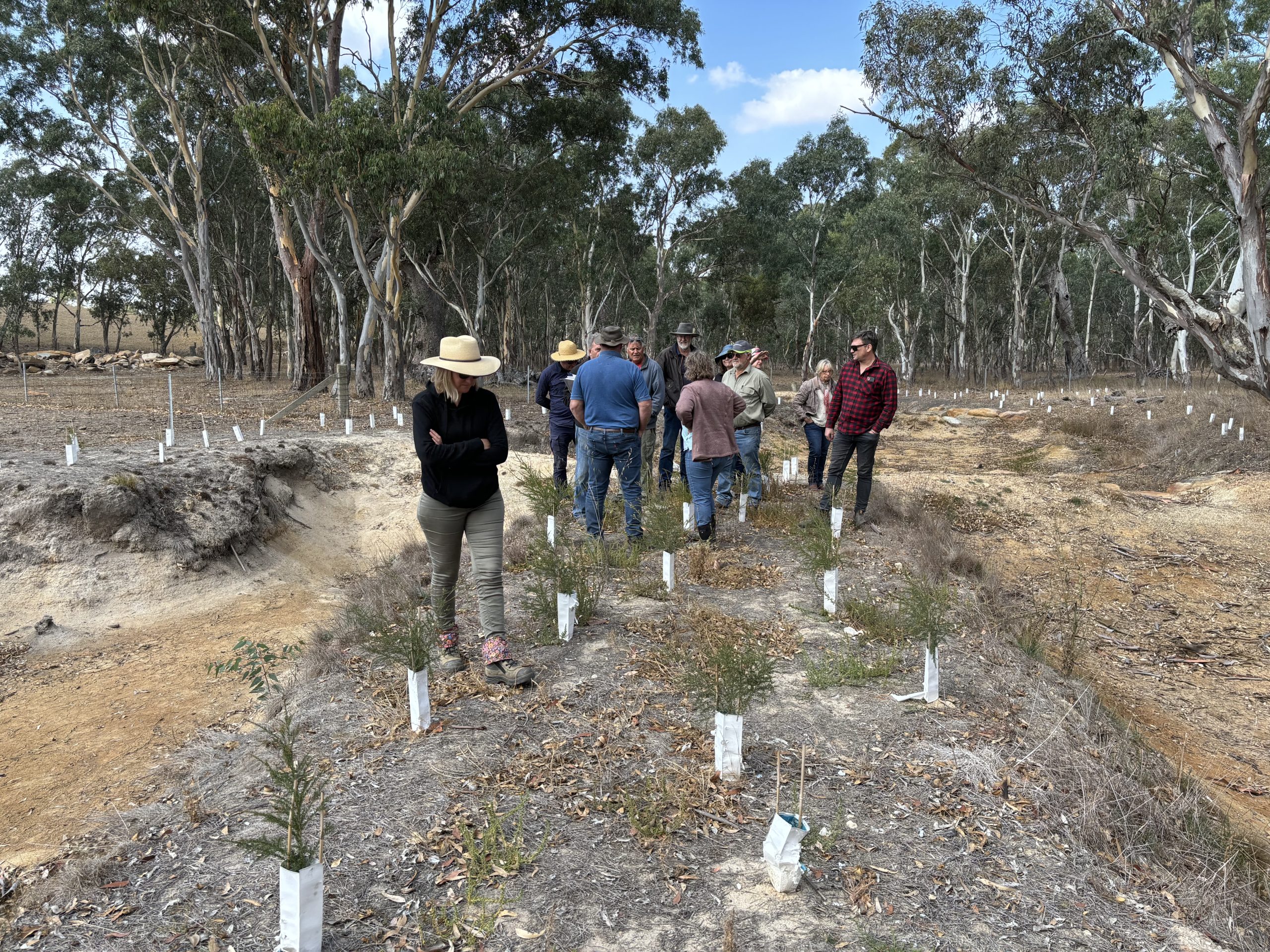
- A new regeneration project with fresh plantings
-
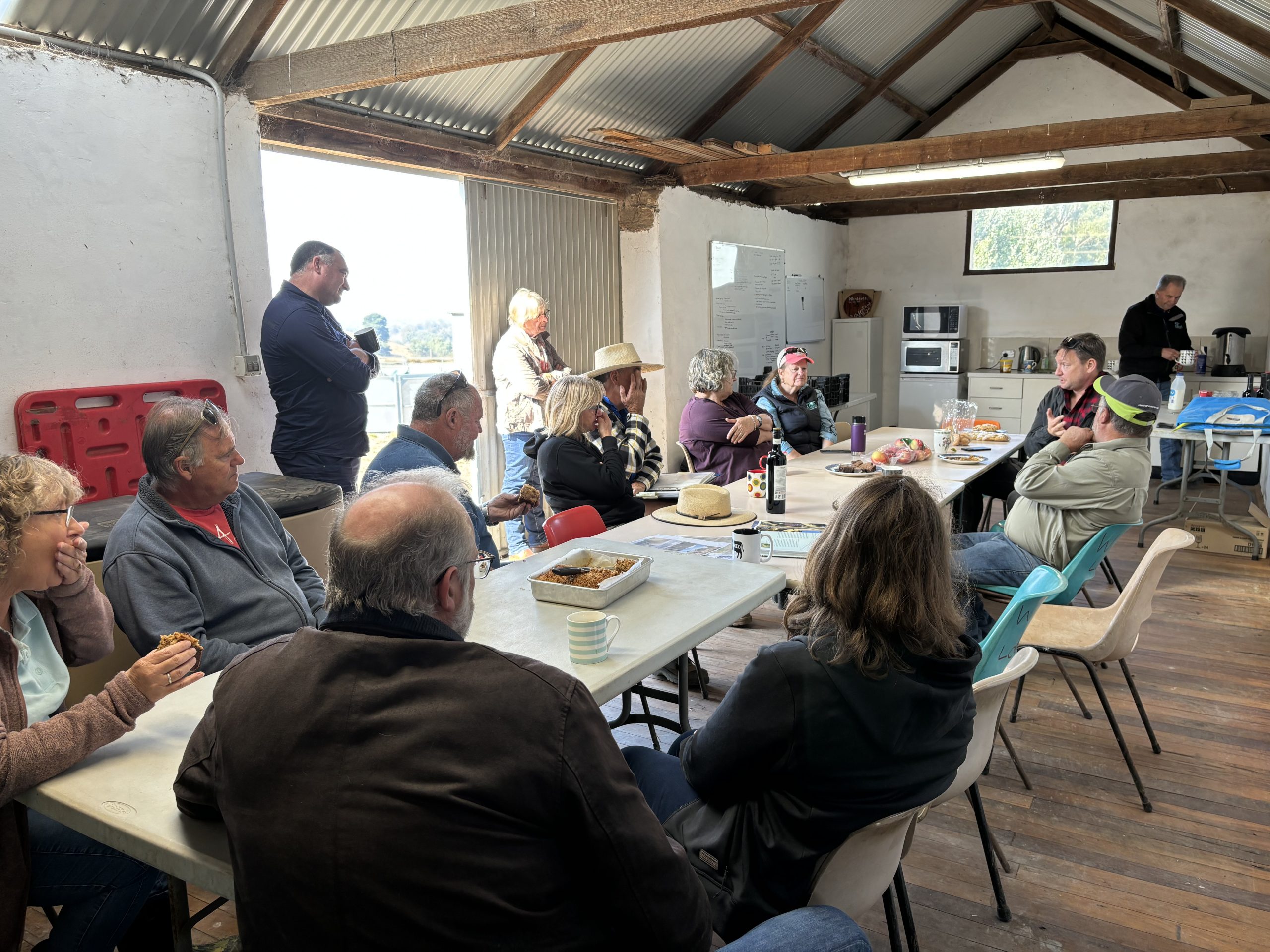
- The renovated shearers quarters being put to good use with a delicious lunch
-
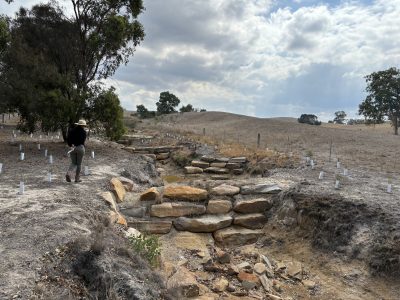
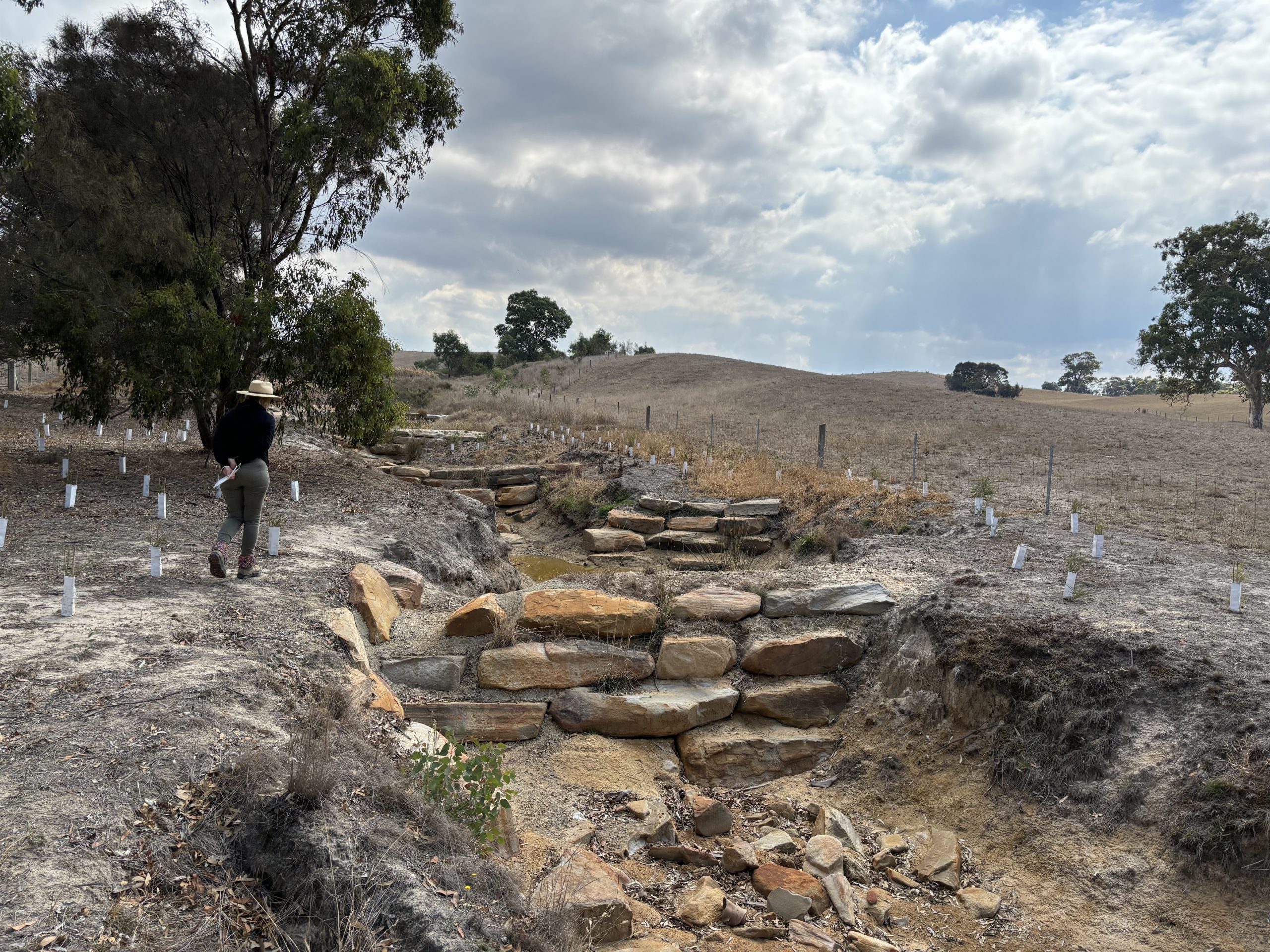
- care attention has been given to erosion control to maintain watercourses while reducing degradation
-
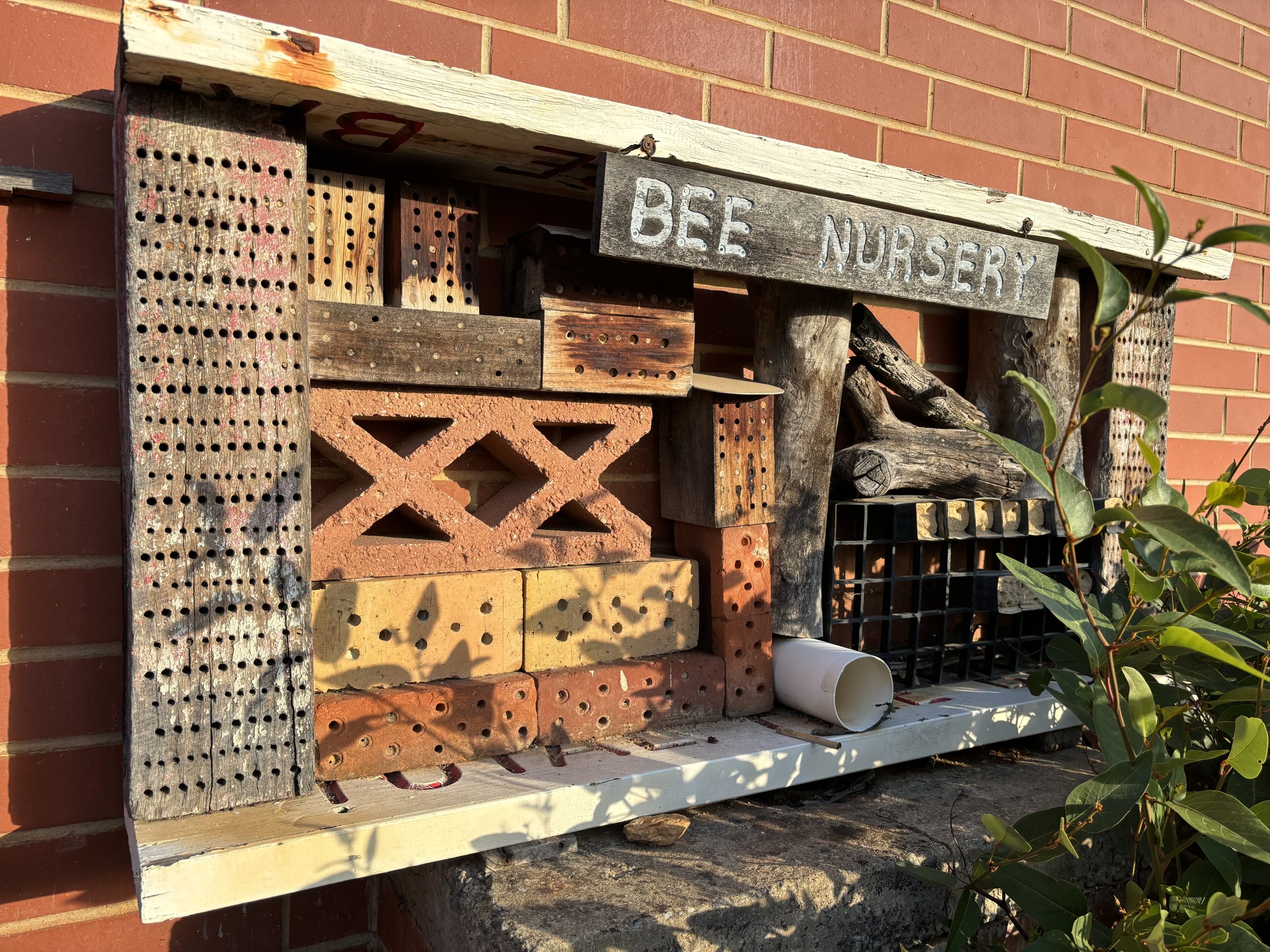
- KLG’s cute and useful bee nursery – after all, the plants can’t flourish without the bees.
-
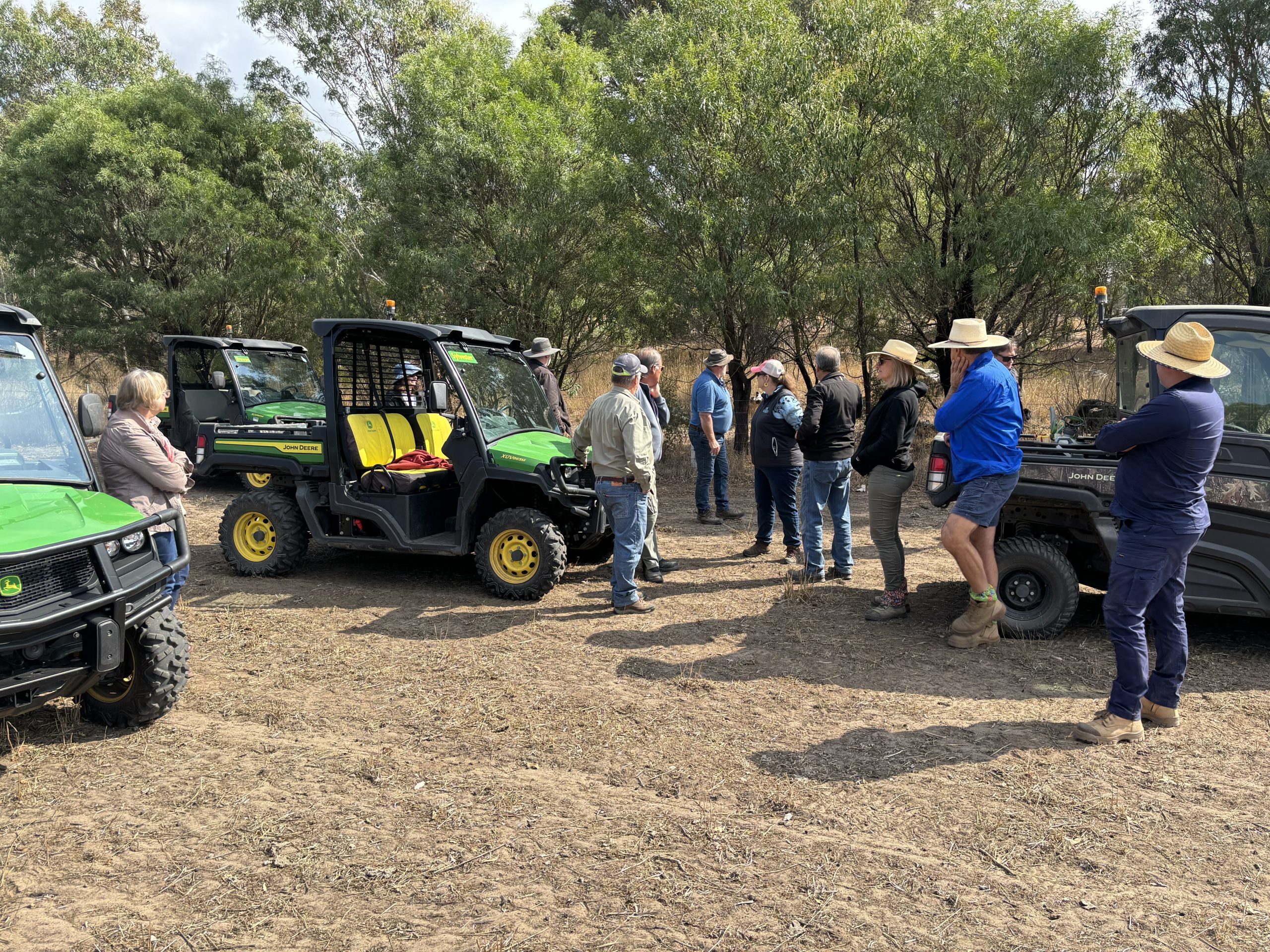
- Inspecting a regeneration project some decades since planting
-
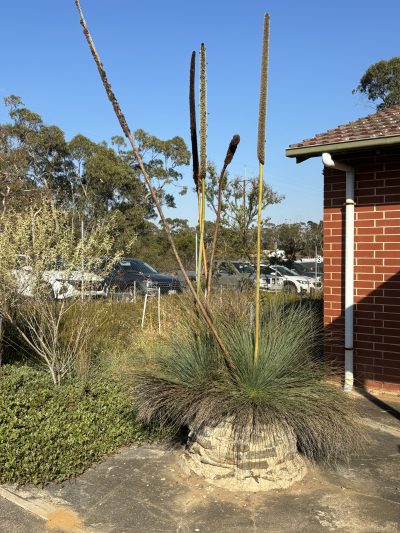
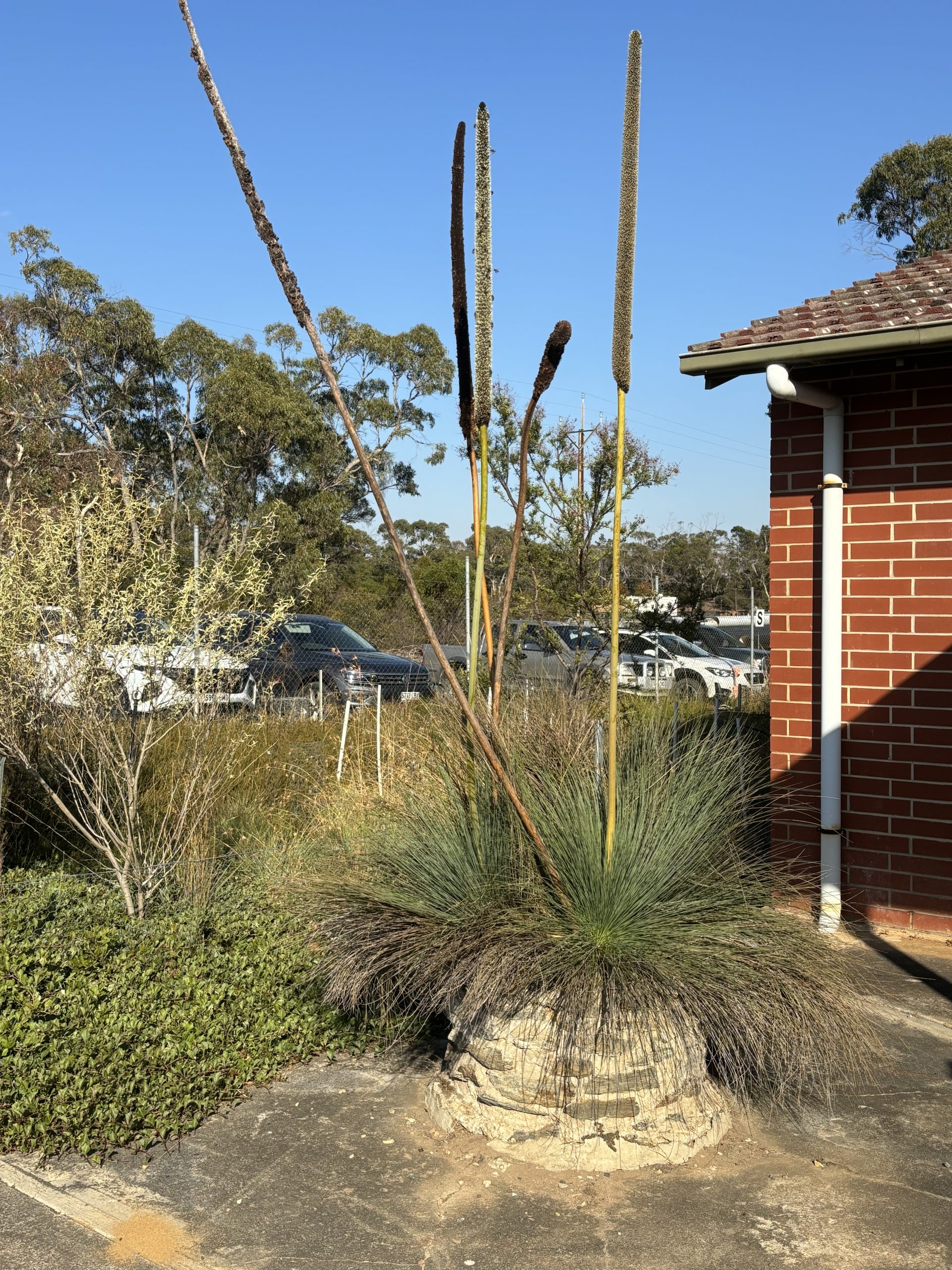
- majestic grass tree (spp. xanthorrea) are welcoming sentinels at the Kerbrook Landcare Group nursery
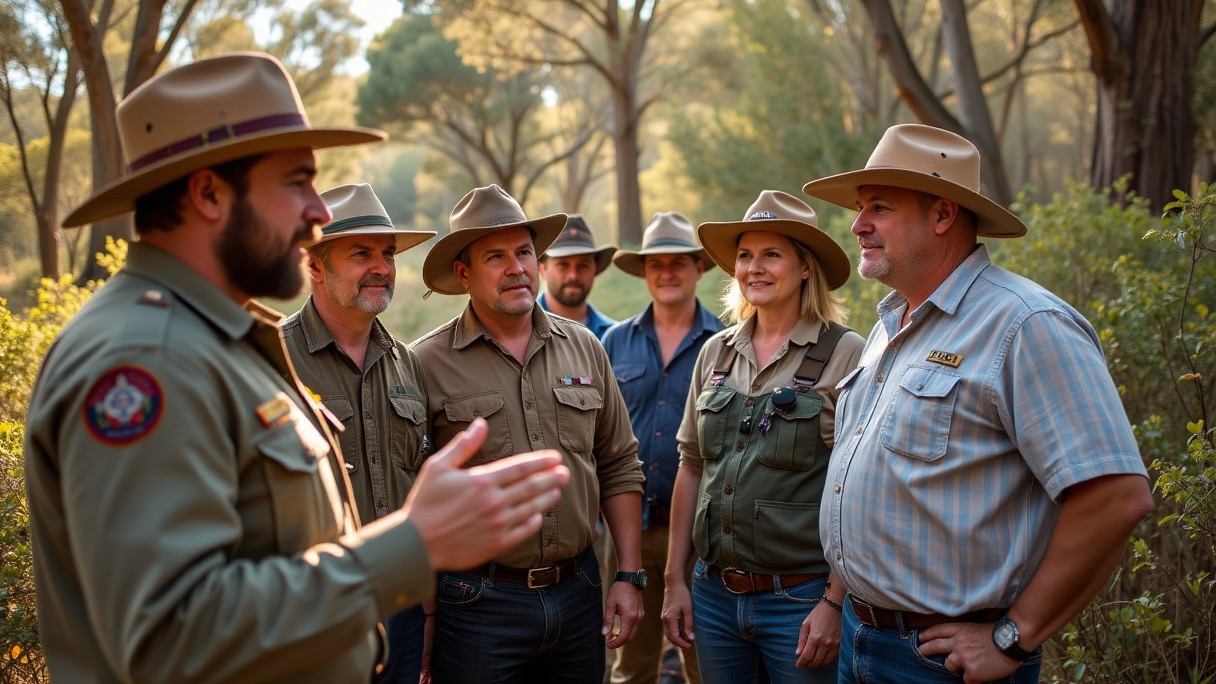
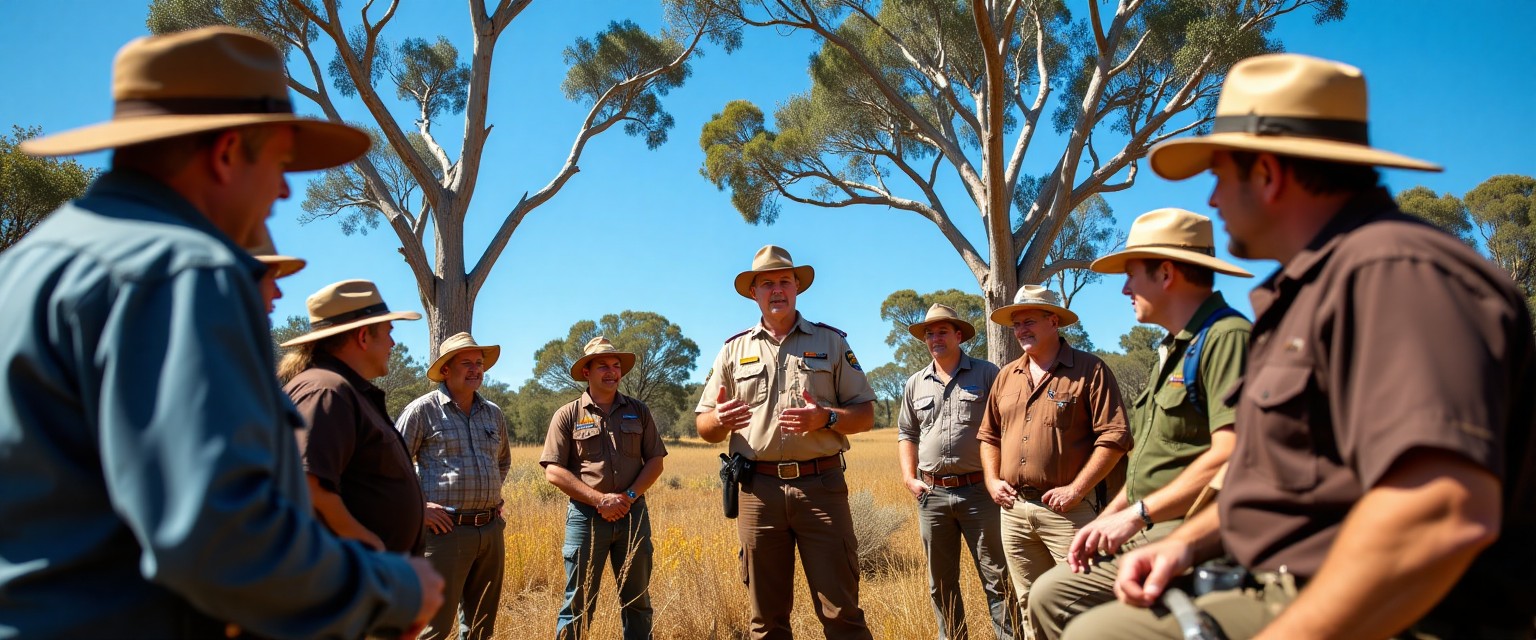
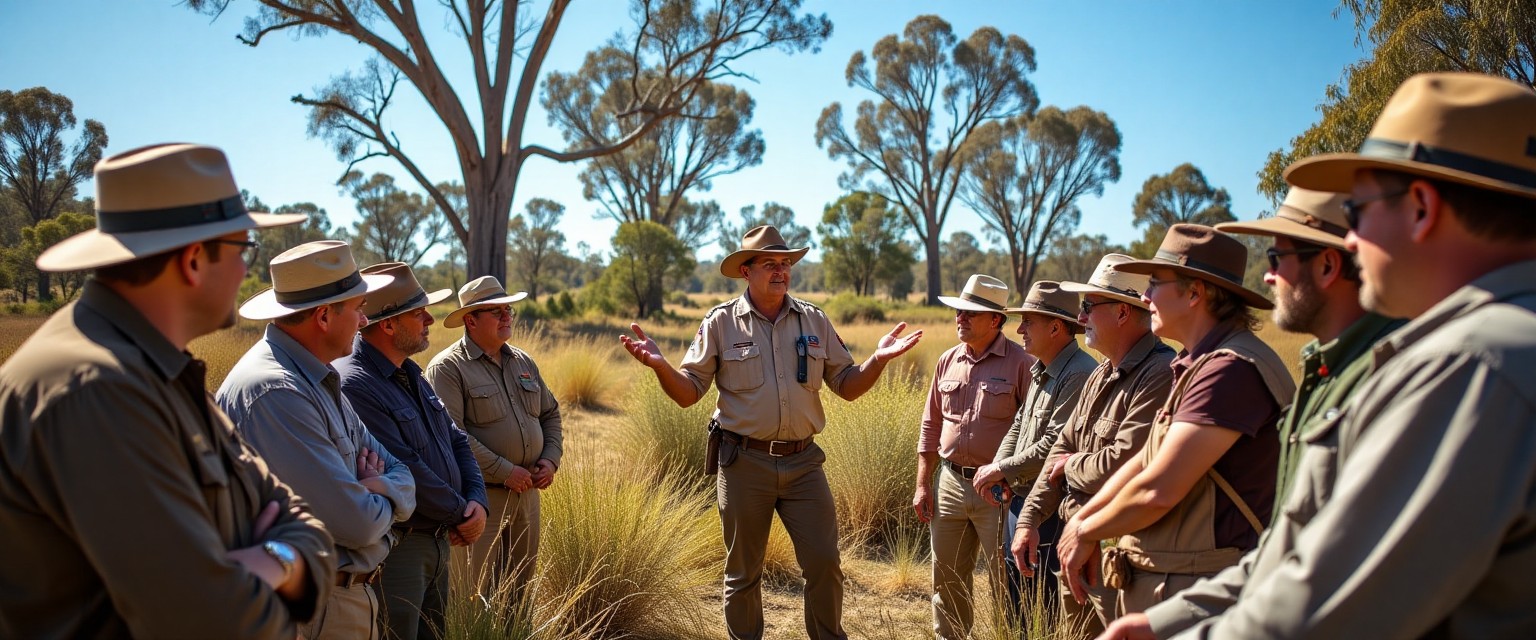
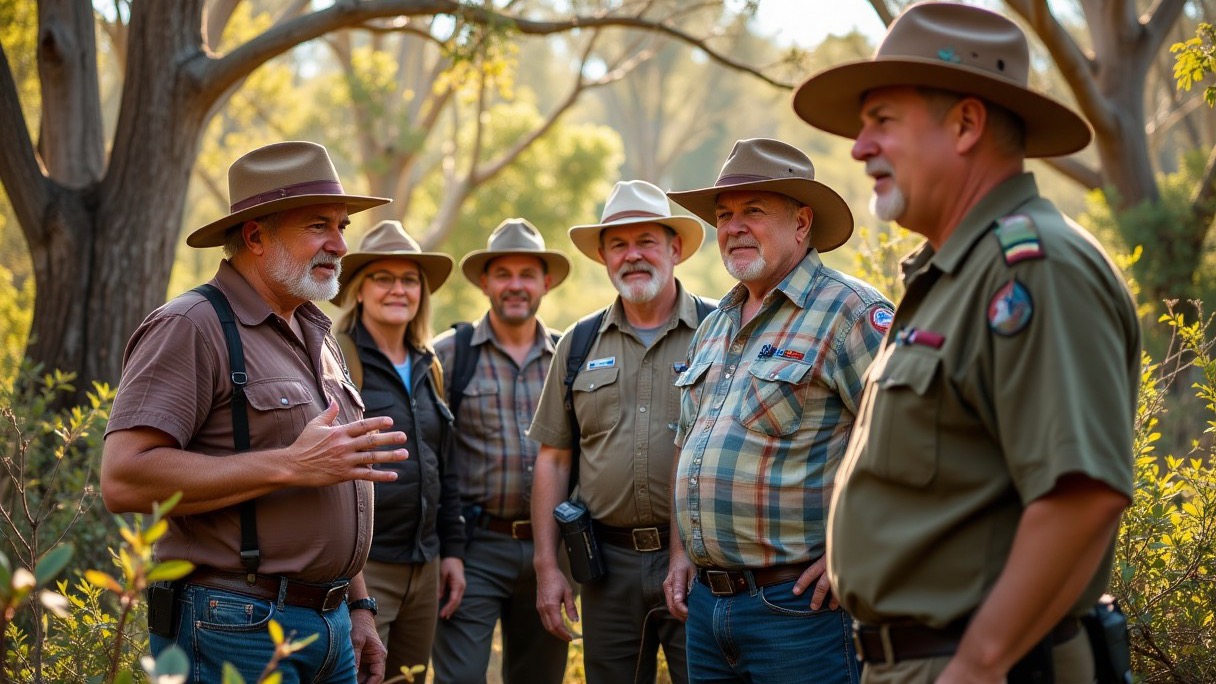
Direct seeding demontration
Lorem ipsum dolor sit amet, consectetur adipiscing elit, sed do eiusmod tempor incididunt ut labore et dolore magna aliqua. Ut enim ad minim veniam, quis nostrud exercitation ullamco laboris nisi ut aliquip ex ea commodo consequat. Duis aute irure dolor in reprehenderit in voluptate velit esse cillum dolore eu fugiat nulla pariatur. Excepteur sint occaecat cupidatat non proident, sunt in culpa qui officia deserunt mollit anim id est laborum.





-
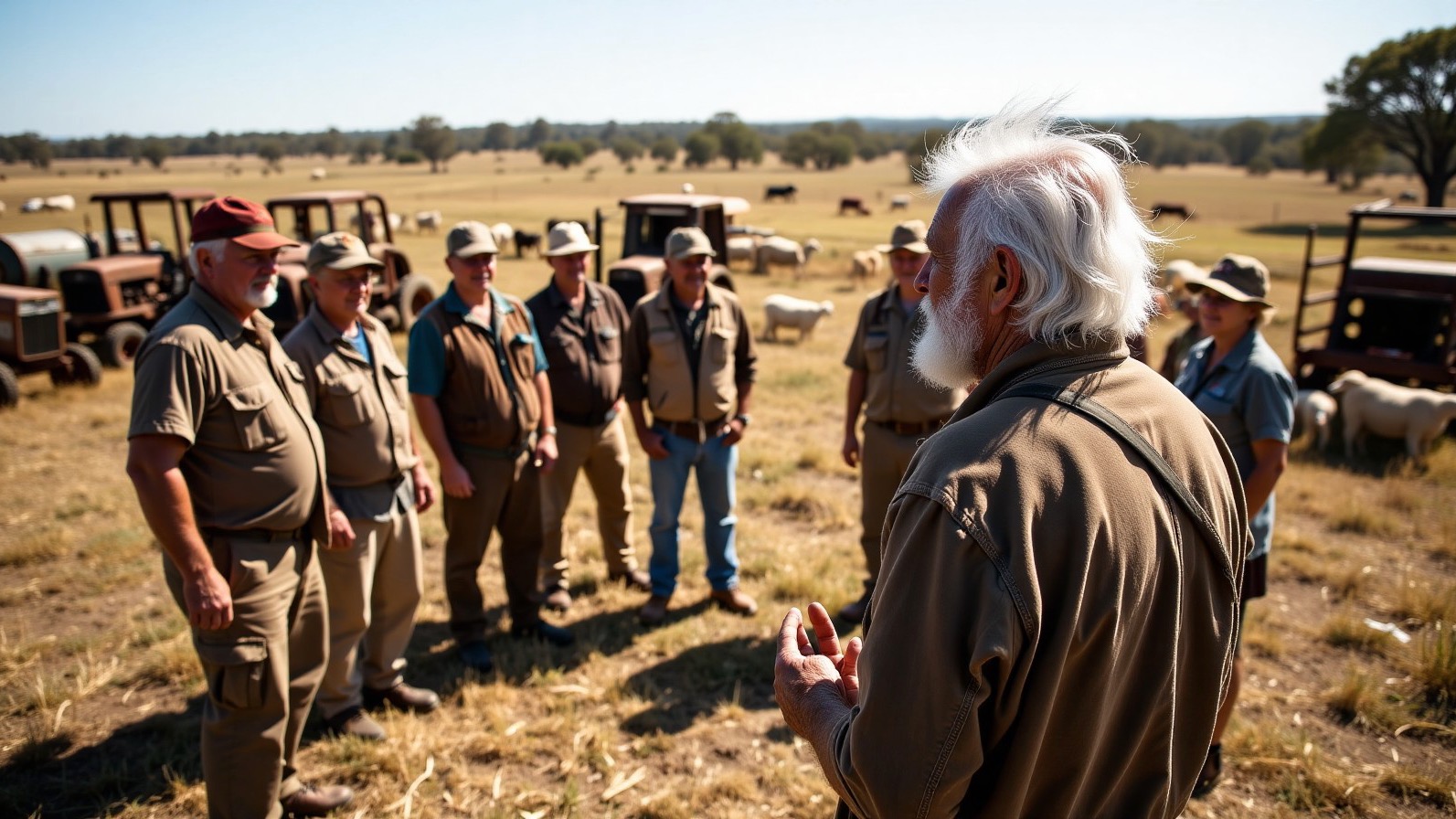
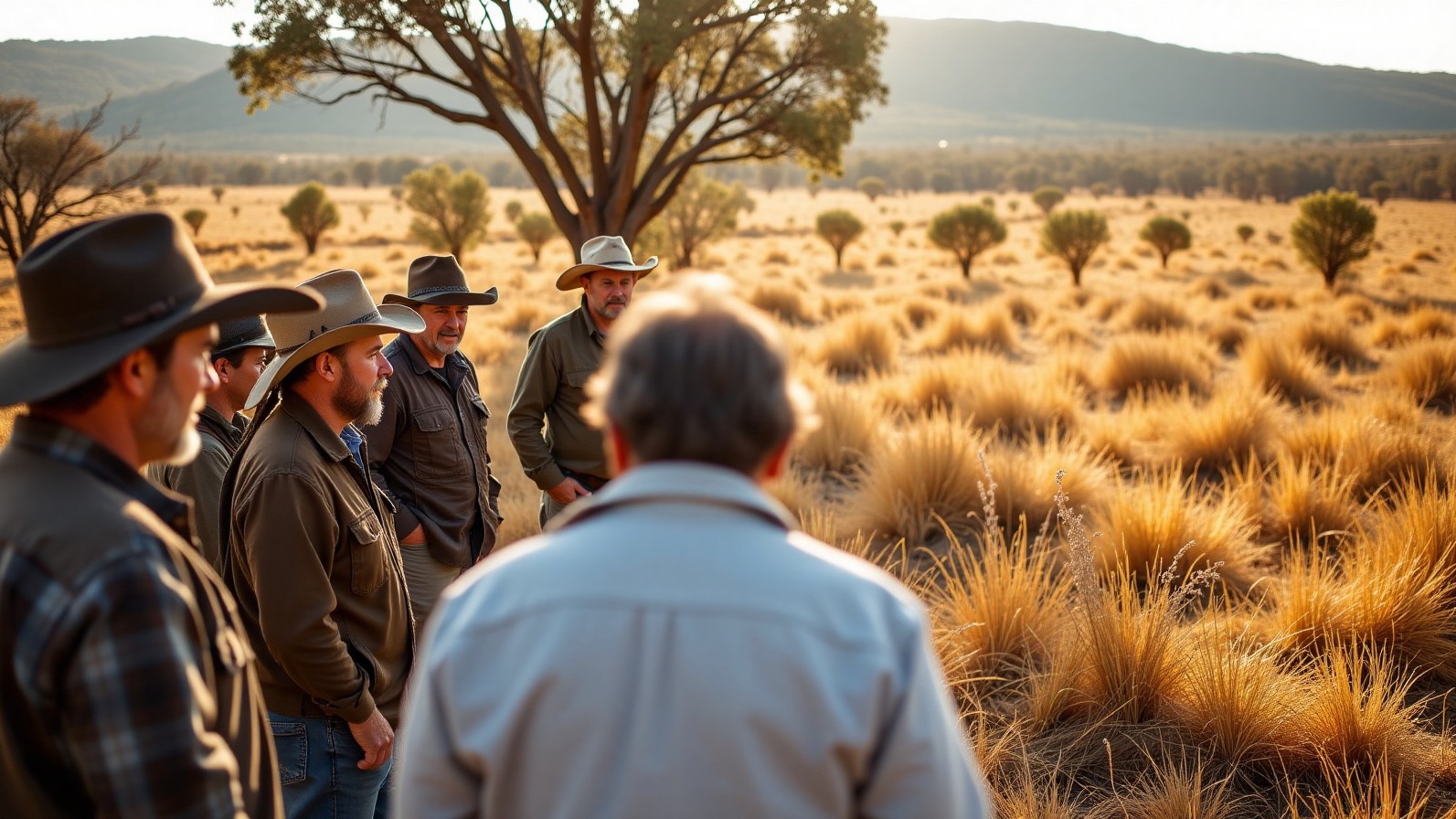
- Planning and preparation